
How to Combat a Receding Hairline: Tips and Treatments
Understanding Receding Hairlines: Causes, Treatments, and Lifestyle Tips to Promote Hair Growth


Introduction
Hair loss is a natural part of the aging process, affecting millions of people worldwide. Whether you're experiencing thinning hair, bald spots, or a receding hairline, it can be a blow to your self-esteem. Fortunately, there are various treatments and strategies available to combat a receding hairline and promote hair growth. In this article, we'll explore the causes of a receding hairline, discuss different treatment options, and provide tips for maintaining healthy hair.
1. Understanding Receding Hairline
1.1 Male-Pattern Baldness and Female-Pattern Baldness
Male-pattern baldness is the most common form of hair loss in men, characterized by a receding hairline and hair loss at the temples that gradually forms an "M" shape. On the other hand, female-pattern baldness can also cause a receding hairline in women. Another condition, frontal fibrosing alopecia, primarily affects post-menopausal women and leads to a receding hairline.
1.2 Traction Alopecia
Traction alopecia is a type of hair loss caused by excessive pulling or tension on the hair. It can be a result of tight hairstyles, such as braids, weaves, or ponytails, as well as the use of extensions and relaxers. Traction alopecia can lead to a receding hairline in women.
2. Consulting a Medical Professional
2.1 Importance of Visiting a Doctor

Before starting any hair loss treatment, it's crucial to visit a doctor to determine the underlying cause of your receding hairline. Several factors, such as underlying health conditions or medications, can contribute to hair loss. Conditions like lupus, syphilis, thyroid problems, hormonal imbalances, and nutritional deficiencies can all cause hair loss. Medications like warfarin, lithium, beta-blockers, heparin, and levodopa can also be factors.
2.2 Dermatologist's Examination
If a medical condition or medication is not the cause of your hair loss, your doctor may refer you to a dermatologist. A dermatologist can examine your scalp for signs of inflammation, scarring, sores, or redness. They may also conduct various tests, such as pull and tug tests, card tests, fungal cultures, trichometric analysis, punch biopsies, and blood tests, to assess the pattern and severity of hair loss and the overall health of your hair.
3. Topical Medications for Hair Growth
3.1 Understanding Topical Medications
Topical medications are commonly used to treat a receding hairline. One such medication is Minoxidil, available in 2% and 5% strengths. Minoxidil works by shortening the resting phase of hair growth, promoting hair follicle growth, and increasing blood flow to the scalp.
3.2 Effectiveness of Minoxidil
A study comparing the 2% and 5% solutions found that the 5% solution was significantly more effective, resulting in 45% greater hair growth after 48 weeks. Both strengths of Minoxidil are safe for use by both men and women. While specific products may be marketed towards women, they contain the same active ingredient.
3.3 Proper Application and Expectations
Minoxidil is available as a foam or liquid that needs to be applied to the scalp twice a day. Consistency is key, as it can take up to six months to see visible results. It's important to note that Minoxidil must be used continuously to maintain hair growth, as discontinuing use may result in a return to previous hair loss patterns.
3.4 Potential Side Effects
Some individuals may experience side effects when using Minoxidil, including scalp irritation, itching, and dryness. In rare cases, it may lead to unwanted hair growth on other parts of the body. If you experience any severe side effects, discontinue use and consult your doctor.
4. Prescription Medications
4.1 Finasteride
Finasteride is an oral medication that is commonly prescribed to treat male-pattern baldness. It works by blocking the conversion of testosterone to dihydrotestosterone (DHT), which is a hormone that contributes to hair loss. Finasteride can help slow down hair loss, stimulate hair regrowth, and improve the overall density of hair.
4.2 Dutasteride
Dutasteride is another oral medication that is sometimes used off-label for the treatment of hair loss. It works similarly to Finasteride by inhibiting DHT production.
4.3 Consultation with a Doctor
Prescription medications like Finasteride and Dutasteride require a doctor's prescription, and it's essential to consult a healthcare professional before considering these options. They can assess your condition, discuss potential side effects, and determine if these medications are suitable for you.
5. Hair Transplantation

5.1 Hair Transplant Procedure
Hair transplantation is a surgical procedure that involves taking hair follicles from a donor area (usually the back of the head) and implanting them into the balding or receding areas. It is an effective and long-lasting solution for hair loss, including receding hairlines.
5.2 Seeking a Qualified Surgeon
If you're considering hair transplantation, it's crucial to seek a qualified and experienced surgeon who specializes in hair restoration procedures. They can evaluate your hair loss pattern, discuss the procedure's feasibility, and guide you through the pre- and post-operative care.
6. Lifestyle and Hair Care Tips
In addition to medical treatments, there are several lifestyle and hair care practices you can adopt to promote healthy hair and minimize further hair loss:
- Avoid hairstyles that pull on the hairline, such as tight ponytails, braids, or buns.
- Be gentle when brushing or styling your hair to avoid unnecessary tension.
- Protect your hair from excessive heat, such as blow dryers, straighteners, or curling irons.
- Eat a balanced diet rich in vitamins, minerals, and proteins that support hair health.
- Manage stress levels as chronic stress can contribute to hair loss.
- Avoid smoking and limit alcohol consumption, as they can negatively impact hair growth.
Conclusion
A receding hairline can be distressing, but there are numerous treatments and strategies available to combat it. By consulting with a medical professional, considering topical or prescription medications, exploring hair transplantation options, and adopting a healthy hair care routine, you can take proactive steps towards promoting hair growth and regaining confidence in your appearance. Remember, results may vary depending on individual factors, and it's important to be patient and consistent with your chosen treatment approach.
References:
( healthdigest - [https://www.healthdigest.com/1286538/how-to-combat-receding-hairline/)
About the Creator
satish Kumar
Content Strategist, YouTuber, Website Developer & SEO Analyst: Dedicated to Constant Skill Growth
Keep reading
More stories from satish Kumar and writers in Feast and other communities.
PUT IT TO BED: Does Your Partner's Snoring Enrage You at Night? The 5 Foods You Must Stop Them Eating Now
Snoring can cause tremendous disruption, particularly when your partner's nocturnal symphony keeps you wide awake. However, it's crucial to understand that snoring doesn't solely impact your own sleep quality; it can also have detrimental effects on your partner's health. Snoring is frequently linked to a condition known as obstructive sleep apnea, which significantly increases the risk of various serious illnesses. While making lifestyle changes like shedding excess weight, quitting smoking, and moderating alcohol intake are commonly suggested for snoring management, adjusting your diet can also play a significant role. In this article, we will explore five types of food that should be avoided to help minimize snoring and foster a more restful night's sleep.
By satish Kumar3 years ago in Feast
I Discovered A Better Way To Cook Cabbage
I recently posted this question on Facebook: I was surprised by some of the answers, especially about cabbage. Chicken: 40% Cabbage: 30% Salmon: 20% Others: 10% (including steak, crab cakes, fish, chili dogs, chicken salad, mac and cheese, cold cuts, potatoes, and ham)
By Margaret Minnicks3 days ago in Feast
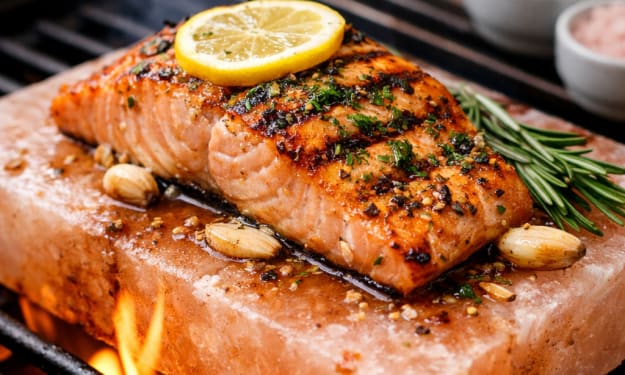
Grilled Salmon on Himalayan Pink Salt Bricks: Extraordinary Taste
That smoky piece of grilled salmon? People love how it tastes, full and hearty, yet light on the body thanks to good fats. Still, nailing the taste at home trips up plenty - too much salt shows up fast, or worse, the flesh turns stiff and parched before it's done.
By Hendra Edward2 days ago in Feast



Comments
There are no comments for this story
Be the first to respond and start the conversation.