
How to Choose a Versatile Boat for Lakes and Rivers?
Learn how to pick a boat that can be used on rivers and lakes. Find more about the best boat kinds for each water adventure, including size, design, and safety.
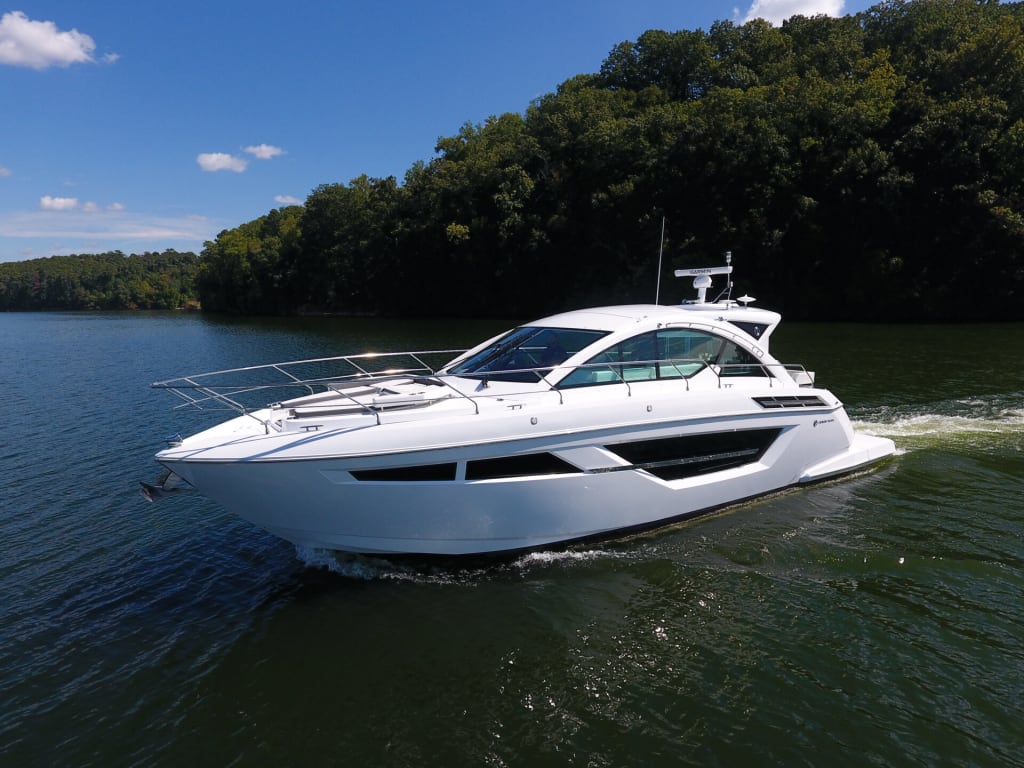
Choosing the right boat can be a challenge, especially if you want something that works well on both calm lakes and flowing rivers. Many boating enthusiasts look for versatility, durability, and comfort in a single vessel, and that’s where options like the inflatable boat black models often stand out. Not only are they lightweight and easy to transport, but they also adapt well to different water conditions, making them a practical choice for fishing, leisure, or short trips with family.
Understanding the Key Differences Between Lakes and Rivers

When selecting a boat that works for both lakes and rivers, it’s essential to understand how these two environments differ. While they may both provide exciting opportunities for fishing, relaxation, and exploration, their unique water conditions require different boat features.
Calm Waters vs. Currents
Lakes: Smooth and Predictable
Lakes are generally known for their calm, still waters, especially on smaller or medium-sized bodies. This makes them ideal for activities like swimming, fishing, and water sports. Since there are fewer strong currents, boaters can enjoy a more predictable and steady experience. In fact, many family-friendly outings take place on lakes because of the reduced risk of rapid water movement.
On lakes, stability is more important than maneuverability. Flat-bottom or pontoon-style boats thrive in these conditions because they provide a smooth and comfortable ride. For anglers, calm waters also make it easier to anchor in one spot and fish without drifting too far.
Rivers: Dynamic and Challenging
In contrast, rivers are constantly moving. Currents can range from mild to strong, and their flow can change depending on rainfall, season, and terrain. Along with currents, rivers often have varying depths, rocks, submerged logs, and other natural obstacles that challenge boaters.
Because of these conditions, boats designed for river use need to prioritize maneuverability and durability. A lightweight, responsive boat with a sturdy hull is better suited to handle unexpected shifts in current. This makes river boating more adventurous but also more demanding in terms of skill and boat choice.
Recreational vs. Navigational Needs
Lakes: A Hub for Recreation
Lakes are often recreational playgrounds for boaters. People head to lakes for water skiing, tubing, paddleboarding, or just relaxing on a pontoon boat. Fishing is also very popular, as the still waters allow anglers to settle into specific spots where fish are abundant.
If your main goal is recreation, comfort and space become more important than speed. Boats with ample seating, storage, and stability—like pontoons or deck boats—are ideal for lake outings. These boats provide the perfect balance of leisure and function, letting you spend long hours on the water without worry.
Rivers: Designed for Navigation and Control
Rivers, on the other hand, often demand strong navigation skills. The flowing water requires boats that can respond quickly to steering, handle shallow areas, and move safely through narrower channels.
Fishing in rivers also brings a different challenge. Unlike lakes, where fish are often in open water or near vegetation, river fish are usually found around rocks, bends, or under submerged structures. This means anglers need boats that can maneuver easily into tight spots while still providing enough stability for casting.
For these reasons, smaller aluminum fishing boats, jon boats, and inflatable river rafts are often favored for river use. They are durable, easier to handle in shallow or rocky areas, and less likely to be damaged when navigating obstacles.
Factors to Consider When Choosing a Versatile Boat
When choosing a boat that works well in both lakes and rivers, it’s not enough to focus on looks or price alone. You need to think about functionality, performance, and long-term convenience. Below are the most important factors to consider before making a decision.
Boat Size and Weight

Ideal Size for Lakes and Rivers
Boat size matters depending on where you plan to use it most. Smaller lakes don’t usually require large boats, and a compact vessel is easier to maneuver and dock. On wide rivers, however, larger boats may offer more stability and comfort, especially when dealing with currents.
Importance of Lightweight Boats
Lightweight boats are easier to transport on trailers, launch at ramps, and even store. If you enjoy boating in multiple locations, portability becomes a big advantage. Inflatable boats and aluminum fishing boats are excellent examples of lightweight yet durable options.
Hull Design
Flat-Bottom Hulls for Calm Waters
A flat-bottom hull is perfect for lakes and calm waters. These boats provide excellent stability, which is ideal for fishing, family outings, or relaxing activities. However, they may not perform as well in choppy or fast-moving waters.
Deep-V and Modified-V Hulls for Currents
For rivers and rougher water, a deep-V or modified-V hull is better. These designs cut through waves and provide smoother rides. Modified-V hulls offer a nice middle ground, giving stability in calm waters while still handling currents efficiently.
Engine Power
Outboard Motors for Flexibility
Outboard motors are the most versatile option for both lakes and rivers. They are easy to maintain, provide solid power, and can be tilted up when navigating shallow waters. Plus, they can be upgraded or replaced without changing the entire boat.
Fuel Efficiency for Longer Trips
When boating on large lakes or long stretches of river, fuel efficiency becomes critical. Choose an engine that balances power with economy, especially if you plan on fishing or cruising for extended periods.
Material and Durability
Aluminum vs. Fiberglass Boats
Aluminum boats are rugged, lightweight, and great for shallow or rocky rivers. They can handle bumps and scrapes without much damage. Fiberglass boats, on the other hand, provide a smoother ride and are often more stylish, making them popular for lake boating.
Resistance to Wear and Tear
For rivers, durability is key since rocks and debris are common. Aluminum tends to outperform fiberglass in these conditions. If you want a versatile boat for both environments, aluminum is often the more practical choice.
Seating and Storage Options
Comfort for Family Outings
If you plan to take family or friends along, comfortable seating should be a priority. Boats designed for leisure, such as pontoons, usually come with cushioned seats and plenty of space to move around.
Adequate Storage for Gear
Fishing gear, coolers, safety equipment, and other essentials all need storage. Look for boats with built-in compartments or under-seat storage to keep everything organized and accessible.
Best Types of Boats for Lakes and Rivers
Not all boats are created equal, but some designs work well in both lakes and rivers. Here are some of the most versatile options to consider.
Jon Boats
Jon boats are lightweight, durable, and easy to handle. Their flat-bottom design makes them perfect for calm lakes, but they also perform well in shallow rivers. Anglers love them because they can get close to shorelines and shallow fishing spots without much risk of damage.
Pontoon Boats
Pontoon boats are a top choice for lake enthusiasts thanks to their stability and spacious decks. They’re great for family outings, parties, or simply lounging on the water. While most pontoons are built for calm lakes, some newer models are designed to handle mild river currents too, making them more versatile than ever.
Bass Boats
Bass boats are specifically designed for fishing, but their sleek build and strong motors also make them suitable for both lakes and rivers. They offer excellent maneuverability, speed, and casting space, which is why they’re a favorite among serious anglers.
Aluminum Fishing Boats
If you’re looking for something rugged and adaptable, aluminum fishing boats are hard to beat. They’re easy to tow, affordable, and built to withstand shallow, rocky rivers. At the same time, they perform just as well on calm lakes, making them a reliable all-rounder.
Safety and Comfort Features to Look For

When selecting a versatile boat, safety and comfort should always come first. A boat that feels secure and enjoyable to use will make your time on the water more relaxing and memorable. Here are some must-have features to consider:
Non-Slip Flooring
Slippery decks can be dangerous, especially when fishing, swimming, or dealing with wet gear. Boats with non-slip flooring or rubberized mats provide better grip and reduce the risk of falls, making them essential for both calm lakes and fast-moving rivers.
Proper Navigation Lights
If you plan to boat in the early morning, evening, or cloudy conditions, navigation lights are a necessity. They not only help you see better but also make your boat visible to others, reducing the risk of accidents. Many versatile boats come with built-in lighting systems designed for safe travel.
Life Jacket Storage
Every boat should have easily accessible life jacket storage. Whether you’re boating with family, fishing buddies, or solo, having safety gear organized and ready to grab can make all the difference in an emergency.
Shade Options like Bimini Tops
Spending long hours on the water means exposure to direct sunlight. A bimini top or canopy provides essential shade, keeping everyone cool and comfortable. This is especially useful for family outings on lakes or slow river cruises.
Budget Considerations
Buying a versatile boat is an investment, and it’s important to weigh your options carefully. Your budget doesn’t just cover the purchase price—it also includes long-term maintenance and operating costs.
New vs. Used Boats
A new boat offers peace of mind with warranties, the latest features, and no prior wear and tear. However, used boats can be significantly more affordable and still deliver years of reliable performance if well-maintained. Always inspect a used boat thoroughly or get it checked by a professional before purchase.
Ongoing Maintenance Costs
Boats require regular care, including engine servicing, hull cleaning, and seasonal storage. Aluminum boats often cost less to maintain than fiberglass models, while inflatable boats may need patching or valve replacements over time. Factor these costs into your budget.
Balancing Features with Affordability
It’s tempting to go for the most advanced or stylish boat, but it’s smarter to balance features with your actual needs. For example, a family may prioritize space and comfort, while an angler might prefer speed and maneuverability. Choose a boat that offers the best value for your lifestyle, not just the lowest price tag.
Final Tips for Choosing the Right Boat
Selecting the right versatile boat is about more than just specs—it’s about how well the boat fits your activities and long-term goals. Here are a few final tips to guide your decision:
Test the Boat in Both Lake and River Conditions
Whenever possible, take the boat for a test ride in the type of waters you’ll use it most. A boat that feels stable on a calm lake might not handle well in river currents, and vice versa.
Consider Your Primary Activities
Think about what you’ll do most often: fishing, water sports, family outings, or solo trips. If fishing is your passion, a bass boat or jon boat might be best. For family leisure, a pontoon or deck boat could be more suitable. Matching the boat to your activities ensures long-term satisfaction.
Think Long-Term for Upgrades and Resale Value
Your boating needs may evolve over time. Choose a boat that allows for upgrades, like motor replacements or added features, so it can grow with you. Also, consider resale value—some boats, like aluminum fishing boats, tend to hold their value well because of their durability and demand.
Conclusion
Choosing a versatile boat is all about finding the right balance between performance, comfort, and durability. Lakes and rivers each present their own challenges, which is why versatility should be at the heart of your decision. By carefully considering factors like size, hull design, engine power, and safety features, you can ensure your boat is equipped to handle a variety of conditions.
FAQs
1. What type of boat is best for both lakes and rivers?
Aluminum fishing boats and jon boats are often considered the most versatile. They are lightweight, durable, and can handle both calm lake waters and shallow, rocky river conditions.
2. Can I use a pontoon boat in rivers?
Pontoon boats are excellent for lakes, but some newer models are built with stronger engines and better hull designs to handle mild river currents. However, they are not ideal for fast or shallow rivers.
3. Are inflatable boats good for lakes and rivers?
Yes, high-quality inflatable boats (like inflatable boat black models) can be very versatile. They are lightweight, easy to transport, and durable enough for both calm lakes and gentle rivers.
4. How do I choose the right boat size for lakes and rivers?
For small lakes and shallow rivers, a smaller lightweight boat is ideal. For larger lakes or wide rivers, a medium to large boat with more stability and engine power is better suited.
5. What safety features should I look for in a versatile boat?
Key safety features include non-slip flooring, proper navigation lights, secure life jacket storage, and shade options like bimini tops. These features ensure a safe and comfortable experience on any type of water.
About the Creator
Hecl truly Boats
Discover the pinnacle of luxury and adventure with HECL Truly Boat, your premier provider of private boat charters and high-end boat sales near Courtenay, BC.
Keep reading
More stories from Hecl truly Boats and writers in Feast and other communities.
What Qualities Should I Look For In A Reputable Boat Dealer?
Purchasing a boat is a significant investment, making it essential to work with a trustworthy dealer. Whether looking at premium boats for sale or considering a used option, selecting a dealer who values transparency, offers high-quality service, and has a strong reputation can make all the difference. By carefully assessing key qualities, buyers can feel confident in their purchase and future boating experiences.
By Hecl truly Boats12 months ago in Feast
Frozen Blueberries Recalled: What Families Need to Know
You open your freezer to grab a handful of blueberries for a smoothie. It is part of your routine. Maybe you add them to oatmeal for your child before school. Maybe you bake them into weekend muffins. Frozen fruit feels safe. It feels simple. But then you see the headline: frozen blueberries recalled. Suddenly, that bag in your freezer does not feel harmless anymore. Questions rush in. Are they safe to eat? What brands are involved? What should you do next? Food recalls can be unsettling, especially when they involve everyday items. This article explains why frozen blueberries recalled announcements happen, what risks are involved, and how to protect yourself and your family without panic.
By Muqadas khana day ago in Feast


Comments
There are no comments for this story
Be the first to respond and start the conversation.