
Food Expiration Dates Do Not Reflect What You May Think
The dates on foods don't mean what you might imagine.

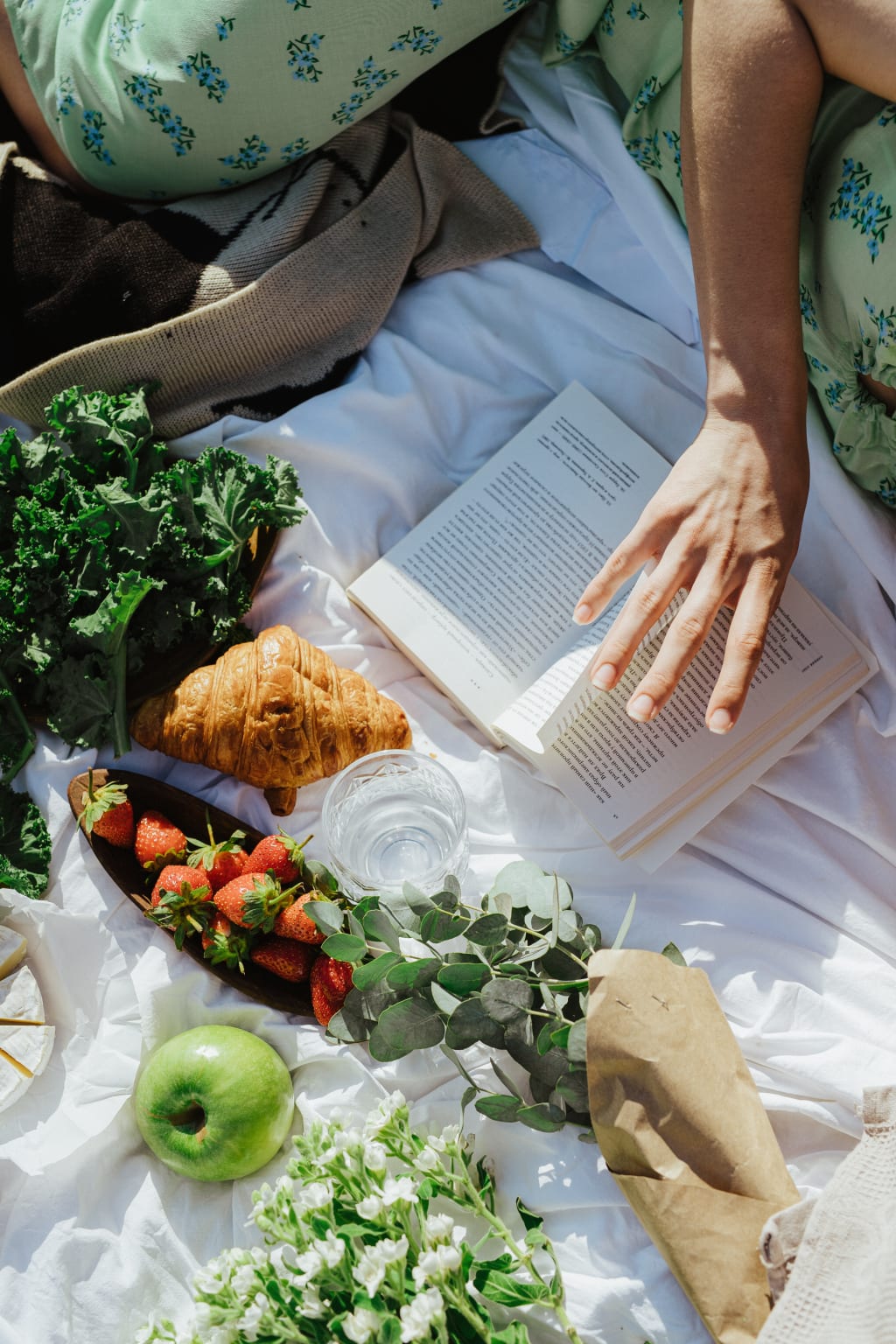
Learn what the actual meaning of food expiration dates is, and learn how communities and governments can reduce food waste.
Worldwide, enormous volumes of food are wasted each year. In the US, over one-fifth of food products are thrown away because customers don't know how to read expiration dates. However, the majority of foods are still fine to eat after their expiration dates. What do the dates on our food tell us if they don't indicate that anything has gone bad? Carolyn Beans’ research on this topic offers advice on avoiding food waste.
How much of the food in your refrigerator will you throw out before it is served? Burger buns from the picnic last summer? Milk that has expired? Have your carrots lost their crunch?
Every year, enormous amounts of food are wasted in nations all over the world, with the US ranking among the worst offenders. Individual households in the US account for 37% of food waste. And people who don't know what the dates on the labels mean throw away about 20% of those foods.
However, the majority of those groceries are still completely ok to eat. What do the dates on our food tell us if they don't indicate that anything has gone bad? Prior to the 20th century, there was a much shorter distance between the place where food was produced and the place where it was consumed, and the majority of people were able to judge food's freshness by touch, smell, and sight. However, it got more challenging to estimate product ages as stores started carrying processed foods. In the 1970s, customers wanted access to the information that US supermarkets used to track how long food had been on the shelves.
Open dating is a system that many supermarkets implemented and is still in use today. When dates indicating peak freshness were printed on food labels by manufacturers or retailers. This nebulous statistic had nothing to do with the safety of food or expiration dates. In truth, there are typically no guidelines for which dates to use, and decisions are rarely made with any scientific support. Thus, the majority of shops and manufacturers are motivated to set these dates early, sure that diners will enjoy their food and return for more.
Thus, many goods can be consumed well after the dates indicated on the packaging. Old cookies, pasta, and other foods that are shelf-stable may taste stale, but they pose no health threat. Food in a can can last for years as long as there are no bulging or rusting indications. Low freezer temperatures control the growth of food-poisoning microorganisms, extending the shelf life of properly maintained frozen meals.
Eggs kept in the refrigerator last for up to five weeks, and if they start to go bad, your nose will let you know. Additionally, mold, slimy surfaces, and off flavors are always indicators of ruined goods. Of course, there are situations in which it is preferable to be safe than sorry. Meat should be consumed or frozen within days of purchase, according to the USDA. Ready-to-eat salads, deli meats, and unpasteurized cheeses are more likely to have harmful bacteria that can elude a smell or taste test after their written dates.
Furthermore, the dates on baby formula are required to show safety. While a few of these labels do what they're supposed to do, the great majority don't. More than 70% of respondents in a 2019 survey of more than 1,000 Americans indicated they check date labels to determine whether food is still edible and almost 60% stated they would throw away any food after those dates.
Grocery stores and restaurants frequently act similarly. Many experts call for regulations requiring that date labels use one of two standardized statements to prevent all this waste: Use by or "Best if used by" to denote safety or freshness, respectively. Although this answer isn't ideal, some US academics believe that establishing these guidelines at the federal level may stop some 398,000 metric tonnes of food from going to waste each year.
In order to encourage customers to use their own judgements, some UK grocery chains have removed the dates on products, so retailers may potentially try doing the same. Numerous experts also support legislation that would reward retailers and eateries for donating unsold food. At least 20 US states currently prohibit donating food that is over its expiration date, despite the fact that the federal government officially protects such gifts, due to confusion regarding dates.
Even further, several nations, like France, mandate that supermarkets donate their unsold food. No matter what your government decides, eating what you buy is the greatest way to reduce food waste! Don't forget that you typically just need your eyes, nose, and tongue to determine whether food is fit for consumption or the compost bin.
About the Creator
Althea March
I am a writer who searches for facts to create compelling nonfictional accounts about our everyday lives as human beings, and I am an avid writer involved in creating short fictional stories that help to stir the imagination for anyone.
Keep reading
More stories from Althea March and writers in Feast and other communities.
A Quick Overview of the History of Alcohol
A chimpanzee discovers a bounty of overripe plums by accident. Many of them are split open, attracting his attention with their enticing fruity scent. He stuffs himself and starts to have some odd effects. Unknowingly, this monkey has discovered a method that people would soon use to make beer, wine, and other alcoholic beverages.
By Althea March3 years ago in Feast
The food business is undergoing a transformation thanks to gene-edited fungus, which is being considered as a beef substitute.
Compared to the strain now in use, a gene-edited fungus has created meat-like protein that grows more quickly and uses a lot less sugar. These improvements bring one of the earliest meat alternatives in the world closer to competing with animals in terms of scale and efficiency.
By Francis Damiabout 21 hours ago in Feast
The Politics of Playing Dress-Up
Well, to start off I'd like to say a happy world book day to all who celebrate. I know I haven't really posted anything on my socials about it but I'm not a jubilant kind of person. I lay low most of the time. Let's start off with a popular anecdote from the vaults...
By Annie Kapur4 days ago in Geeks



Comments
There are no comments for this story
Be the first to respond and start the conversation.