
Dharmendra: The Timeless Journey of Bollywood’s He-Man
From action hero to eternal romantic, Dharmendra’s six-decade journey reminds us why some stars never fade — they simply become legends.

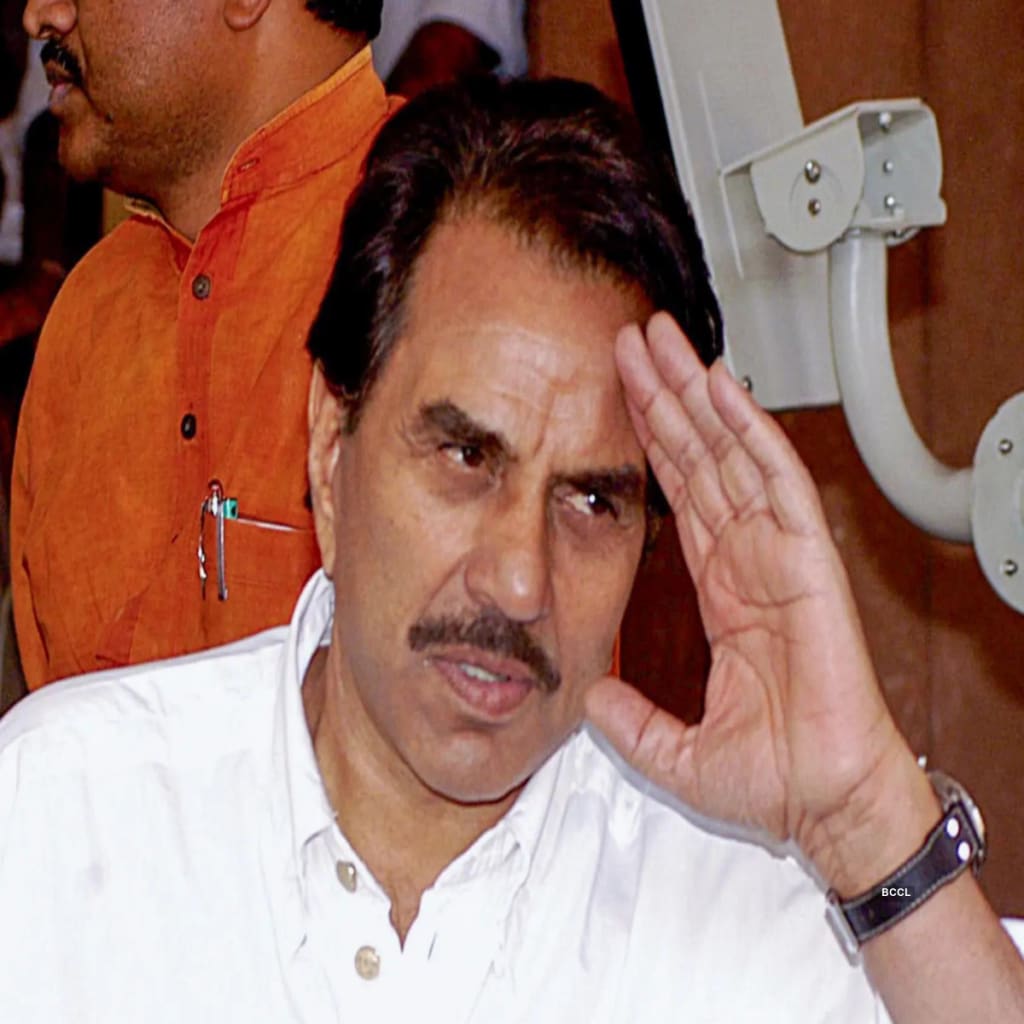
In the glittering galaxy of Bollywood, where stardom rises and falls with each Friday release, few names have stood the test of time like Dharmendra. Known to fans as the “He-Man of Bollywood,” his story is not just about fame or success — it’s about resilience, humility, and a kind of cinematic grace that has carried him through generations of change.
Even today, decades after his first screen appearance, Dharmendra remains a figure of quiet strength and enduring charm — a man who embodies the golden era of Hindi cinema while continuing to inspire the present.
From Bikaner to Bombay: The Beginning of a Dream
Born Dharam Singh Deol in a small village near Ludhiana, Punjab, Dharmendra’s journey began far from the glamour of the silver screen. His early life was simple — steeped in rural traditions, poetry, and the desire to make something of himself.
When he arrived in Bombay (now Mumbai) in the 1950s, he had little more than determination and a dream. The young man who once admired Dilip Kumar’s performances from afar soon found himself standing before cameras, carving his own identity as a leading man with heart, looks, and unmatched charisma.
His first major breakthrough came with Phool Aur Patthar (1966), a film that turned him into a national sensation. The scene where he carries a fainted Meena Kumari in his arms became iconic — cementing his image as the ultimate masculine hero of the time.
But Dharmendra was never just muscles and swagger. Behind the rugged exterior was a man of extraordinary emotional depth — something that would define his career for decades.
The Golden Years: Romance, Action, and Everything in Between
The 1970s were Dharmendra’s golden years. He balanced intensity with humor, action with tenderness, and charisma with vulnerability. Films like Sholay, Yaadon Ki Baaraat, Satyakam, and Chupke Chupke showcased his range — from the fearless Veeru who could make a nation laugh to the introspective Satyakam who made audiences weep.
What made Dharmendra unique was his ability to connect with the common man. He wasn’t larger-than-life in the way some of his contemporaries were; he was relatable. Whether he was fighting villains or romancing heroines, he always carried a sincerity that audiences found irresistible.
And of course, his on-screen chemistry with Hema Malini, his co-star and later wife, became one of Bollywood’s most celebrated pairings. Their films together — Seeta Aur Geeta, Sholay, Dream Girl — captured the essence of classic Bollywood romance
The Gentleman Behind the Hero
Beyond the fame and stardom, Dharmendra was known for his warmth and humility. Colleagues affectionately called him Garam Dharam, not for his temper, but for his passionate, lively nature. He treated crew members and co-stars with the same respect he commanded on set.
Even at the height of his fame, he remained grounded — preferring heartfelt poetry and quiet evenings over lavish parties. Fans admired him not just as an actor, but as a symbol of integrity and authenticity in an industry often driven by artifice.
Reinvention and Legacy
As the decades passed, Dharmendra continued to evolve. In the 2000s, he gracefully transitioned into character roles, playing father figures and mentors with the same natural charm that had once made him a romantic icon.
Films like Apne (2007), Yamla Pagla Deewana (2011), and Rocky Aur Rani Kii Prem Kahani (2023) reminded audiences that true talent never ages — it simply adapts. His appearances with sons Sunny and Bobby Deol have also become symbolic of the Deol family’s enduring legacy in Indian cinema.
Through all these years, Dharmendra has remained a bridge between generations — a living connection between the black-and-white elegance of the 1960s and the digital dazzle of today’s Bollywood.
Why He Still Matters
In a time when fame fades with trending hashtags, Dharmendra’s stardom stands as proof that authenticity never goes out of style. He didn’t rely on controversies or publicity gimmicks; he built his career on consistency, hard work, and emotional truth.
He is not just remembered as the “He-Man” for his strength, but for his humanity — his ability to make audiences laugh, cry, and believe in love again and again.
---
The Legend Lives On
Today, as the younger generation rediscovers him through old films and viral social media clips, Dharmendra continues to inspire awe. Whether it’s his poetic musings shared online or his rare public appearances that spark nostalgia, his charm endures like a timeless melody.
In a world that often forgets its heroes too soon, Dharmendra remains an exception — a man whose life and legacy prove that true stars never fade; they simply shine differently with time.
About the Creator
Fiaz Ahmed
I am Fiaz Ahmed. I am a passionate writer. I love covering trending topics and breaking news. With a sharp eye for what’s happening around the world, and crafts timely and engaging stories that keep readers informed and updated.
Keep reading
More stories from Fiaz Ahmed and writers in Feast and other communities.
Celebrating National Pumpkin Day: America’s Favorite Fall Tradition
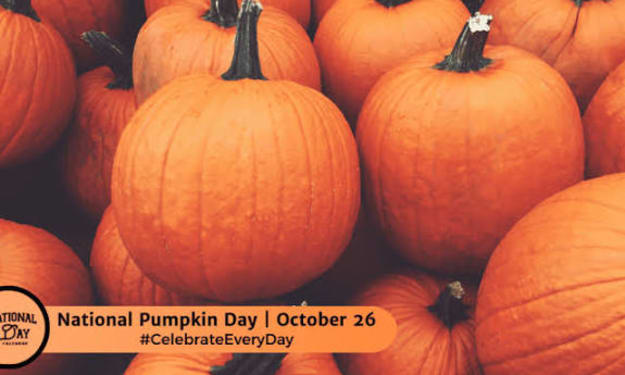
Every October, as leaves turn golden and the air grows crisp, one bright orange fruit takes center stage — the pumpkin. National Pumpkin Day, celebrated each year on October 26, is a festive nod to the season’s most beloved symbol. From comforting pumpkin spice lattes to glowing jack-o’-lanterns, pumpkins represent warmth, creativity, and community. But this fall favorite is more than just decoration — it’s part of a centuries-old story that ties together history, food, and celebration.
By Fiaz Ahmed 5 months ago in Feast
Pi Day Deals: Sweet Ways to Celebrate March 14 Every Year
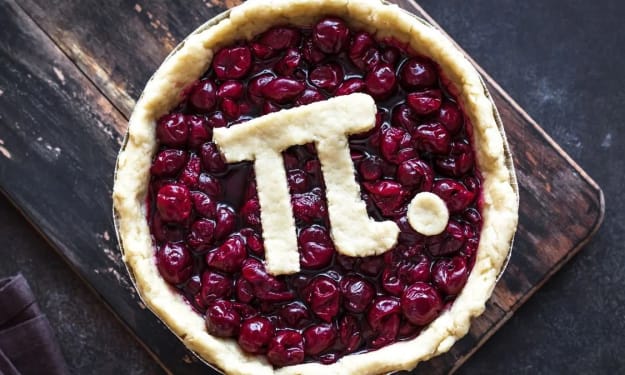
Every year on March 14, something unusual happens across bakeries, pizza shops, and kitchens around the world. Math lovers smile, pie lovers celebrate, and people who never cared about numbers suddenly start searching for pie. That day is Pi Day. The date 3/14 matches the first digits of the famous mathematical constant 3.14, and over time it has grown into a celebration of food, curiosity, and simple joy. One of the biggest reasons people look forward to the day is the tradition of Pi Day deals. Restaurants and bakeries often offer pies, pizzas, and desserts at special prices. But Pi Day is not only about discounts. It is about gathering with friends, sharing food, and enjoying a small moment of fun built around a number that never ends.
By Muqadas khanabout 3 hours ago in Feast
Chipotle Tattoo BOGO: The Story Behind the Burrito Deal
Sometimes a free burrito is more than just a meal. Sometimes it becomes a small cultural moment that people remember for years. The phrase chipotle tattoo bogo began as a strange mix of food, loyalty, humor, and internet culture. At first glance it sounds like a joke. Why would anyone get a tattoo for a burrito? But thousands of people actually did.
By Muqadas khana day ago in Feast
Author’s Advice
If you would’ve asked me 20 years ago did I know I’d become a writer and an author, I would’ve said “nope, ain’t happening”. As fate would have it I did become an author and I can honestly say I’m loving it so far. It really does feel good to be a writer. I’ve learned a lot on this journey and I feel like with even me being as new to this world as I am, there’s some wisdom I need to share with every other aspiring author.
By Joe Patterson3 days ago in Journal


Comments
There are no comments for this story
Be the first to respond and start the conversation.