
A Brief History of Texas Roadhouse and Its Rise to Fame
Brief History of Texas Roadhouse

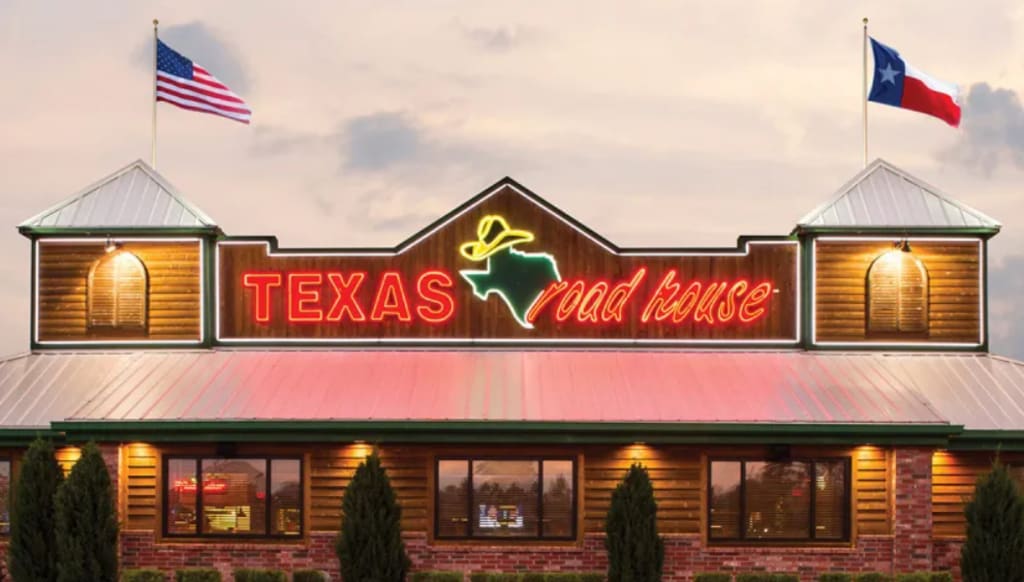
A Brief History of Texas Roadhouse and Its Rise to Fame
Few restaurant companies have captured the hearts and appetites of Americans more than Texas Roadhouse. The company, known for its hand-cut steaks, lively environment, and famed fresh-baked rolls, has expanded from a single location in Indiana to a national favourite. However, behind every sizzling sirloin and line-dancing server is a story of clever strategy, people-first leadership, and a dedication to doing things the old-fashioned way: with quality, consistency, and compassion.
Humble beginnings in Indiana
Despite its name, Texas Roadhouse did not start in Texas. Kent Taylor, a Louisville, Kentucky native with a bold vision, created the first store in Clarksville, Indiana in 1993. He wanted to create a place where families could enjoy great, hand-cut steaks at accessible pricing in a pleasant, friendly setting. Taylor had worked in the restaurant sector and saw a significant gap between high-end steakhouses and casual dining options, which he was keen to address.
Taylor built the first Texas Roadhouse with a minimal investment and a strong work ethic, following a simple formula: deliver exceptional food, prioritise service, and never compromise on freshness.
The Texas Theme (without Gimmicks)
Although the brand did not originate in Texas, it drew significantly on the Lone Star State's identity. Texas Roadhouse's distinct style was defined by rustic décor, line-dancing waiters, country music, and a Western saloon atmosphere. But it wasn't all about appearances. Texas Roadhouse menu featured made-from-scratch dishes, hand-cut steaks butchered in-house, fall-off-the-bone ribs, and comfort cuisine staples, all served in generous portions with plenty of flavour.
Taylor insisted on scratch-made sides, in-house meat cutters, and a degree of excellence that few restaurants could match at the time. That commitment established the tone for everything that followed.
Culture Drives Steady Growth
While many restaurants hurried to expand in the 1990s and early 2000s, Texas Roadhouse grew strategically. The leadership believed that growth could only be achieved with the proper personnel and location. As a result, franchise prospects were limited, and nearly all stores were company-owned or controlled by management partners with a personal financial stake in their location's success.
What distinguished Texas Roadhouse was not only the food, but also the culture. Taylor thought that happy personnel resulted in pleased guests. Each restaurant had a "managing partner" who served as the in-store owner, and team members were given the freedom to make decisions, be creative, and have fun. From birthday celebrations to spontaneous dance breaks, the mood was unlike any other in casual dining, and people loved it.
Weathering Challenges and Winning Loyalty
Texas Roadhouse encountered several challenges along the road. The 2008 recession led several restaurant companies to cut corners or reduce meal sizes. However, Taylor doubled down on value and consistency. Rather than reducing quality, the brand prioritised retaining its scratch kitchen mentality and providing inexpensive meals that families could rely on. That trust paid off.
During the COVID-19 epidemic in 2020, although many of the restaurant sector faced devastating losses, Texas Roadhouse stood out for its treatment of its employees. During shutdowns, the company continued to pay hourly workers, delivered lunches to first responders, and quickly transitioned to kerbside pickup while maintaining its distinctive service.
Sadly, creator Kent Taylor died in 2021, but his memory lives on in every restaurant, every kind waitress, and every steak grilled to order.
A National Icon with Local Spirit
Texas Roadhouse now has over 600 locations in the United States and several international branches, yet it has maintained its original charm. Each store still has in-house butchers and bakers. The buns are still freshly cooked every day. And the line dancing has not ceased.
The brand's success can be traced back to its unwavering commitment to quality, community, and business culture. Unlike other chains that go stale or lose their personality, Texas Roadhouse feels as authentic now as it did in the 1990s. It's a rare example of a business that grew without losing its uniqueness.
Conclusion:
Texas Roadhouse is more than simply a restaurant; it's an experience. Whether you're celebrating a birthday, having a midweek supper, or simply craving a fantastic steak without breaking the budget, there's a reason why people keep returning. Yes, the food is important, but so is the attitude, the service, and the sensation of belonging to something familiar and enjoyable.
From Clarksville to the globe, Texas Roadhouse earned its renown, one perfectly seasoned steak at a time.
About the Creator
Fatima Zaheer
My self Fatima Zaheer. I have several years of experience in content writing, both as an employee at a Dubai-based company and as a freelancer. My educational background is Bachelor in Computer Sciences (BSCS).
Keep reading
More stories from Fatima Zaheer and writers in Feast and other communities.
Top 5 Steakhouse Chains In The USA
Americans have plenty of options for juicy steak, creamy mashed potatoes, and a warm, friendly ambience. From classic chophouses to informal grill locations, the United States has a diverse range of steakhouse chains that provide flavour, consistency, and comfort. Texas Roadhouse, however, stands apart from the rest. In this blog, we will go over the top five steakhouse chains in the USA.
By Fatima Zaheer4 months ago in Feast
My Tous les Jours Trip
As someone who lives in a rural area, I don't get the chance to visit fancy restaurants or bakeries that often. So, when a friend told me about a French-Asian bakery that's less than an hour away, I knew I had to check it out and grab some pictures for social media. Tous les Jours ended up providing an immersive experience that went above and beyond my expectations--although I did leave with a few reservations.
By Kaitlin Shanks24 days ago in Feast
Miss Persephone's Manual to a Seemingly Ordinary Life
Miss Persephone was found at the dining table, her blue eyes swollen, her tears arriving and retreating like the tides of the ocean. Earlier that day, her family had visited her in the retirement home where she had lived for eight years. It was her eightieth birthday.
By Imola Tóth4 days ago in Fiction



Comments
There are no comments for this story
Be the first to respond and start the conversation.