
WHY YOU SHOULDN’T HOLD YOUR PEE
Health risks of holding your urine explained

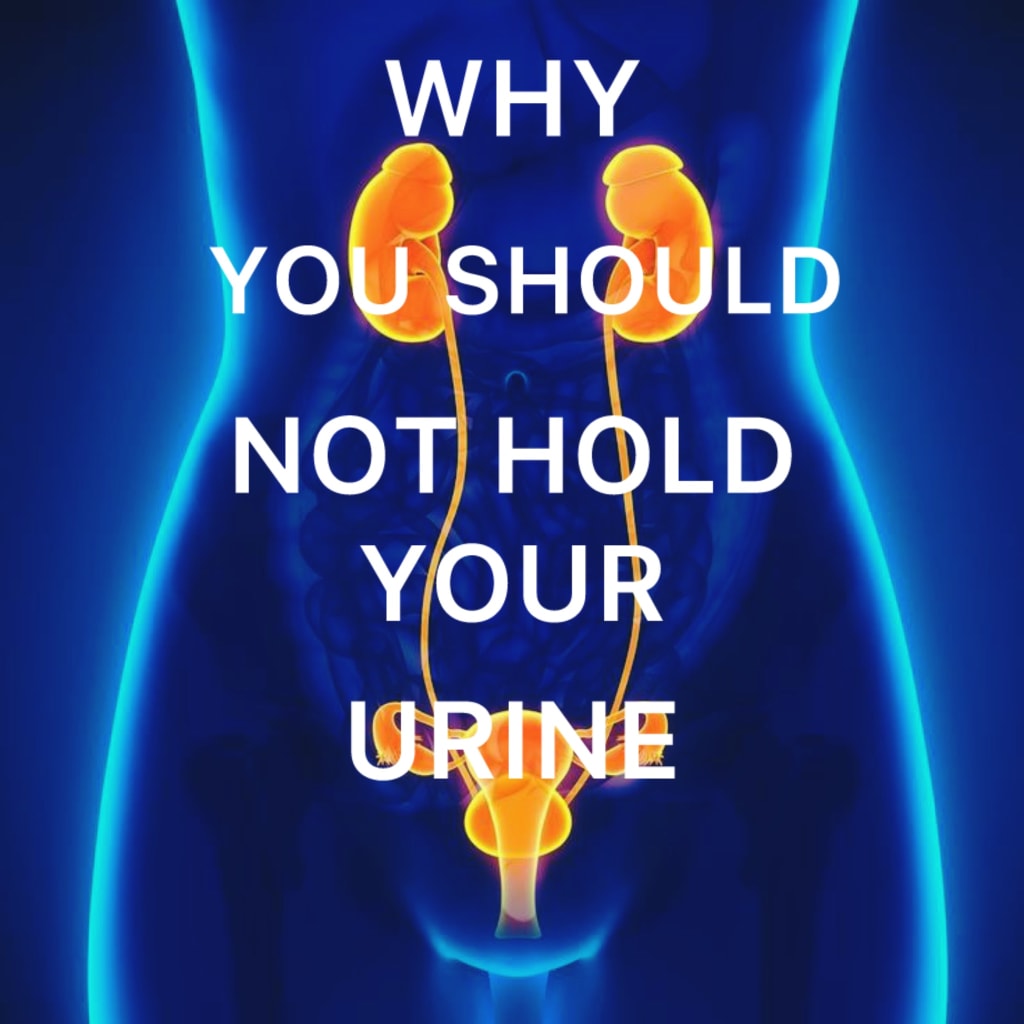
Holding your urine for extended periods can lead to several potential health issues, especially if this behavior becomes a regular habit. The human bladder is typically designed to comfortably hold between one to two cups of urine. However, consistently delaying urination can stretch the bladder beyond its usual capacity. Research shows that some individuals, such as nurses or those with demanding schedules, may experience an increase in bladder capacity, sometimes doubling the normal amount. Although this might not cause immediate problems, regularly overstretching the bladder and its associated muscles can result in several significant health concerns.
1. **Loss of Muscle Control**: The bladder and the external sphincter muscles are crucial for controlling urination. Regularly overstretching these muscles can interfere with their normal function. The bladder, which relies on its ability to contract effectively to expel urine, may struggle to function properly if it is frequently stretched beyond its capacity. This can lead to a loss of control over urination, manifesting as involuntary leakage or difficulties in fully emptying the bladder. Similarly, the external sphincter, responsible for retaining urine, can weaken over time due to excessive stretching, leading to urinary leakage and problems with bladder retention. This weakened control can affect daily life and overall comfort.
2. **Increased Risk of Infections**: Prolonged urine retention can create a breeding ground for bacteria. The bladder, when not emptied regularly, allows urine to stagnate. This stagnant urine can become an ideal environment for bacterial growth, increasing the risk of urinary tract infections (UTIs). UTIs can cause symptoms such as burning sensations during urination, frequent urges to urinate, and discomfort in the lower abdomen. In severe cases, untreated infections can lead to more serious complications, including kidney infections. Chronic retention and the resulting frequent infections can significantly impact a person's quality of life and health.
3. **Kidney Damage**: In more severe instances, holding urine for extended periods can lead to kidney damage. When urine remains in the bladder for too long, it can cause a condition known as hydronephrosis, where urine backs up into the kidneys. This can lead to swelling and potential damage to the kidney tissues. If hydronephrosis is severe or prolonged, it can impair kidney function and may result in kidney failure. Addressing this condition promptly is crucial to prevent long-term damage and ensure proper kidney health.
**Physiology of Bladder Function**: The bladder's primary function is to store and expel urine. It consists of muscular layers that allow it to expand as it fills and contract to expel urine. When the bladder is stretched beyond its capacity, these muscles may become overstretched and less efficient at their functions. Regular and timely urination helps maintain the bladder's health by preventing overstretching and ensuring it can function properly.
**Preventive Measures and Lifestyle Factors**: To maintain a healthy urinary system, it is essential to adopt practices that support regular bladder function. This includes:
- **Maintaining Hydration**: Drinking adequate fluids throughout the day helps ensure that the bladder fills and empties regularly. Aim for about eight glasses of water daily, adjusting based on activity levels and individual needs.
- **Establishing a Routine**: Setting regular intervals for bathroom breaks can prevent the habit of holding urine for extended periods. For instance, taking a bathroom break every 2 to 4 hours can help maintain a healthy bladder routine.
- **Listening to Your Body**: Pay attention to the body's signals for needing to urinate and respond promptly. Ignoring these signals regularly can contribute to bladder and urinary tract issues.
If you experience symptoms such as frequent urges to urinate, pain during urination, or difficulty fully emptying your bladder, consult a healthcare provider. They can provide guidance on managing these symptoms and maintaining urinary health.
In summary, while occasional short-term holding of urine is generally not harmful, habitual retention can lead to significant health issues. Maintaining proper hydration, establishing regular bathroom routines, and addressing any urinary symptoms promptly can help keep your urinary system healthy. If you have more questions or need additional information, feel free to ask!
About the Creator
Goodness Anastasia
A dedicated medical expert committed to providing insightful and accessible health tips designed to help readers make informed decisions about their well being⚕️🩺👩⚕️
Keep reading
More stories from Goodness Anastasia and writers in Families and other communities.
HOW GIVING BIRTH CHANGES Your BRAIN
The changes in the brain associated with childbirth are both profound and multifaceted, reflecting a complex interplay between biological and experiential factors. These transformations involve structural, functional, and hormonal adjustments that collectively support the demands of motherhood.
By Goodness Anastasiaabout a year ago in Families
Wise~Guys
— Look Behind what's in Front of You ~ Make Good Choices — Hey, So how you Doin'..! Made~Men — Mobster Movies romanticise a distinctive, elegant appearance, impeccable attire style, along with the 'Families' expressive lingo. Making their 'Bones' gave them Panache — with vintage fedoras, tailored pin-striped suits, mirror-polished wing-tip shoes adorned with tassels; with their 'Gun Moll' gorgeous dates on their arms.
By Jay Kantor24 days ago in Families




Comments
There are no comments for this story
Be the first to respond and start the conversation.