
HOW GIVING BIRTH CHANGES Your BRAIN
The Neurological Transformations and Cognitive Shifts Post-Partum"

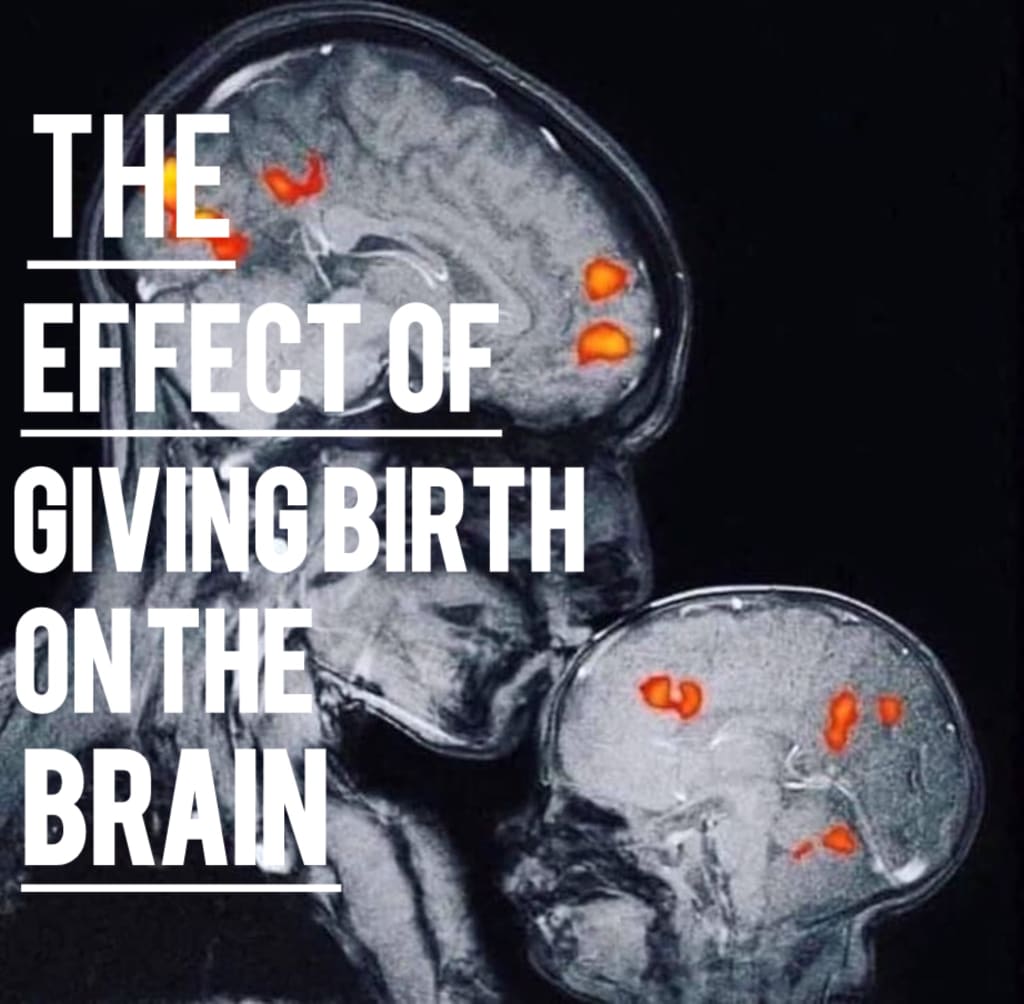
The changes in the brain associated with childbirth are both profound and multifaceted, reflecting a complex interplay between biological and experiential factors. These transformations involve structural, functional, and hormonal adjustments that collectively support the demands of motherhood.
1. STRUCTURAL AND FUNCTIONAL CHANGES:
Gray Matter Reduction:One of the most striking findings from neuroimaging studies is the reduction in gray matter volume in certain brain regions during and after pregnancy. Gray matter, which contains neuronal cell bodies, is involved in processing information and cognition. This reduction is not indicative of damage but rather reflects a process of refinement. The decreased gray matter may correspond to increased efficiency and specialization of brain functions related to parenting. It suggests that the brain is optimizing its resources to better manage the new responsibilities of motherhood.
Increased Connectivity:Studies have shown that pregnancy leads to enhanced connectivity in brain areas associated with social cognition and emotional processing. Specifically, regions such as the medial prefrontal cortex, which is involved in understanding others' emotions and intentions, and the amygdala, which processes emotional responses, show increased connectivity. This enhanced connectivity likely supports improved maternal sensitivity to the baby’s cues and needs, facilitating more effective caregiving and bonding.
2.HORMONAL IMPACT:
Oxytocin:Oxytocin, a hormone crucial for labor, delivery, and breastfeeding, plays a significant role in the changes observed in the maternal brain. Known as the "love hormone," oxytocin promotes social bonding and nurturing behaviors. It enhances the brain’s responsiveness to social stimuli, particularly those related to the infant, thereby fostering a strong mother-infant bond. This hormone influences brain regions that regulate emotional responses and social interactions, reinforcing maternal behaviors and emotional connections.
Estrogen and Progesterone:During pregnancy, levels of estrogen and progesterone rise significantly. These hormones contribute to neuroplasticity by affecting synaptic growth and connectivity. Estrogen, in particular, is associated with increased dendritic growth and synaptic plasticity, which might enhance the brain’s ability to adapt to the demands of motherhood. Progesterone also plays a role in modulating mood and stress responses, contributing to the overall maternal adaptation.
3. NEUROPLASTICITY:
Pregnancy induces significant neuroplasticity, meaning the brain undergoes structural and functional changes to better meet the needs of parenting. This neuroplasticity supports:
Increased Sensitivity:The maternal brain becomes more attuned to the baby’s cues, including vocalizations, facial expressions, and bodily needs. This heightened sensitivity helps mothers respond more effectively to their infant’s needs, fostering secure attachment and promoting optimal developmental outcomes for the child.
Enhanced Emotional Processing:Brain areas involved in empathy and emotional regulation show increased activity, aiding mothers in managing the emotional demands of parenting. This enhanced processing helps mothers navigate the challenges and joys of raising a child, contributing to emotional resilience and adaptability.
4.COGNITIVE AND EMOTIONAL ADJUSTMENT:
Memory Changes:Some studies suggest that mothers may experience changes in memory related to their baby. There may be improvements in memory for baby-related tasks and information, reflecting an adaptive focus on the infant’s needs. Conversely, some cognitive functions unrelated to parenting might experience a decline, potentially due to the brain's reorganization and the shift in cognitive priorities.
Stress Response:Childbirth and caregiving can alter the brain’s stress response systems. Research indicates that the brain’s response to stress becomes more calibrated to the demands of parenting. This adjustment can influence overall stress levels and coping mechanisms, potentially making mothers more adept at handling the stressors associated with raising a child.
5. LONG-TERM IMPLICATIONS:
Persisting Changes:The brain changes associated with motherhood may persist beyond the postpartum period. Some research suggests that the adaptations made for parenting can have long-lasting effects on emotional regulation and social behavior. These changes might continue to influence a mother’s approach to stress, empathy, and social interactions long after the early years of parenting.
Variability:The extent of these brain changes can vary widely among individuals. Factors such as genetics, previous experiences, and levels of social support play a significant role in determining how these changes manifest. Additionally, mental health and stress levels can influence the nature and impact of these neurological adjustments.
In summary, childbirth induces significant and complex changes in the brain, driven by hormonal shifts and the evolving demands of parenting. These changes support maternal behaviors and bonding but can also influence cognitive and emotional functions in varied ways. Ongoing research continues to explore these processes, aiming to deepen our understanding of their implications for maternal health and child development.
About the Creator
Goodness Anastasia
A dedicated medical expert committed to providing insightful and accessible health tips designed to help readers make informed decisions about their well being⚕️🩺👩⚕️
Keep reading
More stories from Goodness Anastasia and writers in Families and other communities.
MYTHS ABOUT CHILD BIRTH
Dr. Laura Riley and Dr. Dina Goffman, esteemed high-risk obstetricians at New York Presbyterian Hospital and Columbia University Irving Medical Center, address several widespread myths about childbirth in their discussion. Their goal is to provide clarity and accurate information to expectant parents, ensuring a more informed and positive birth experience. Here’s a detailed look at the myths they debunk:
By Goodness Anastasiaabout a year ago in Families
Wise~Guys
— Look Behind what's in Front of You ~ Make Good Choices — Hey, So how you Doin'..! Made~Men — Mobster Movies romanticise a distinctive, elegant appearance, impeccable attire style, along with the 'Families' expressive lingo. Making their 'Bones' gave them Panache — with vintage fedoras, tailored pin-striped suits, mirror-polished wing-tip shoes adorned with tassels; with their 'Gun Moll' gorgeous dates on their arms.
By Jay Kantor23 days ago in Families
Blessing Platinum-Williams on Church Belonging, Family, and Accountability: Community as Sacrifice and Care
Blessing Platinum-Williams is a London-based, self-taught software developer and the creator of Tonely AI, an “auto-reflect” keyboard for iOS and Android that surfaces the likely tone and intention behind a message as you type. Tonely aims to reduce everyday digital harm by prompting users to reconsider wording that may sound blunt, passive-aggressive, or manipulative. Privacy is a core design choice: Tonely runs tone detection on-device and, per its terms and privacy policy, does not upload or store your messages. She founded Tonely AI Ltd in Britain. She also has a law degree and a therapy-informed perspective on language for everyone.
By Scott Douglas Jacobsen3 days ago in Families




Comments (1)
Thanks for sharing