
Why Talking About It Isn’t Weak:
Redefining Strength For Men Today
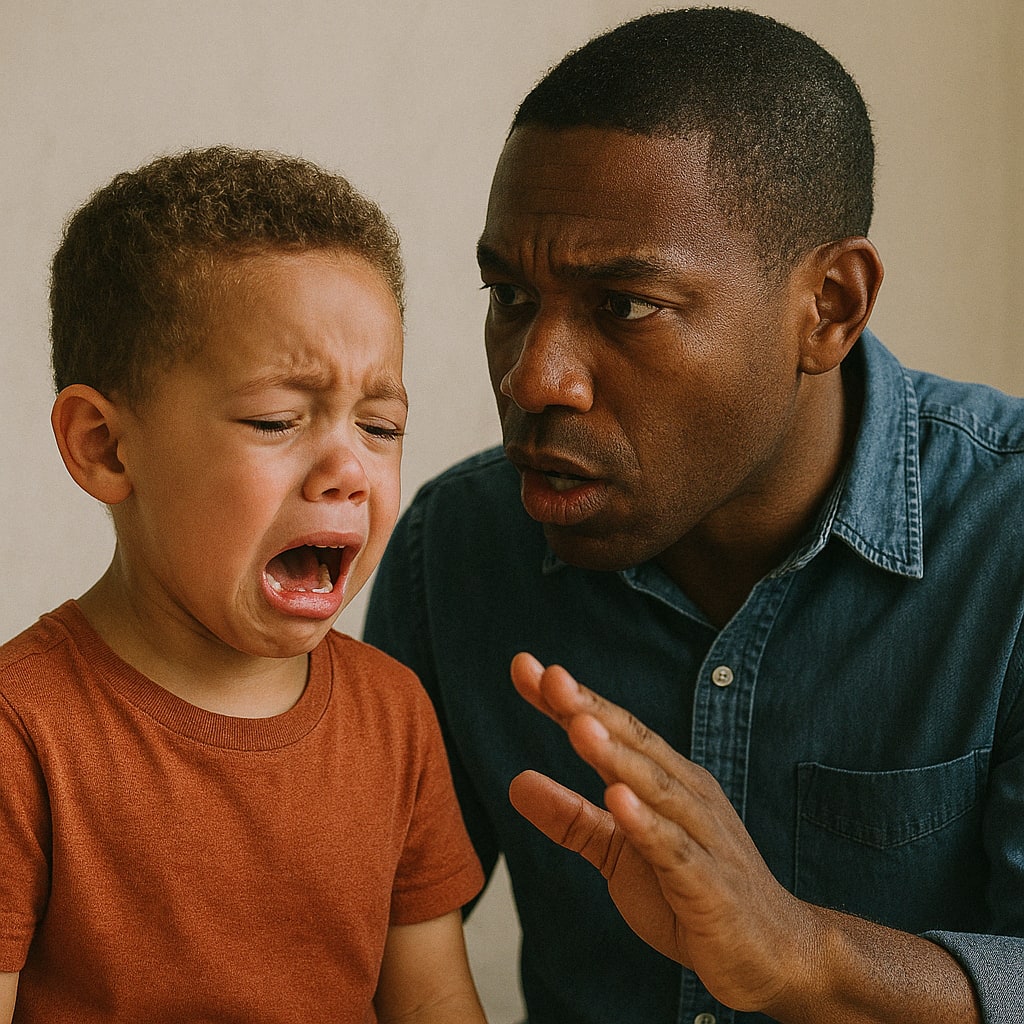
For generations, men have been told to keep their feelings to themselves. “Man up.” “Tough it out.” “Don’t be soft.” These phrases aren’t just outdated—they’re dangerous. Behind the mask of stoicism, millions of men are silently battling anxiety, depression, and burnout. But here’s the truth we need to say louder: talking about it isn’t weak—it’s strong as hell.
The Silence Hurts More Than It Helps
In many Black and Latino communities, mental health still carries a heavy stigma. You’re told to keep family business in the family. To pray about it. To “stay strong” because your people have already endured so much.
But that mindset often creates silence—and silence can be deadly. Many men grow up learning to suppress their emotions, not because they don’t feel deeply, but because they’re taught that vulnerability is dangerous, even shameful. That if you cry, you’re soft. If you ask for help, you’ve failed.
The reality? These unspoken rules are hurting us. The weight gets heavier. The pressure builds. And too many of us suffer in silence, thinking we’re the only ones going through it.
There’s Power in Opening Up
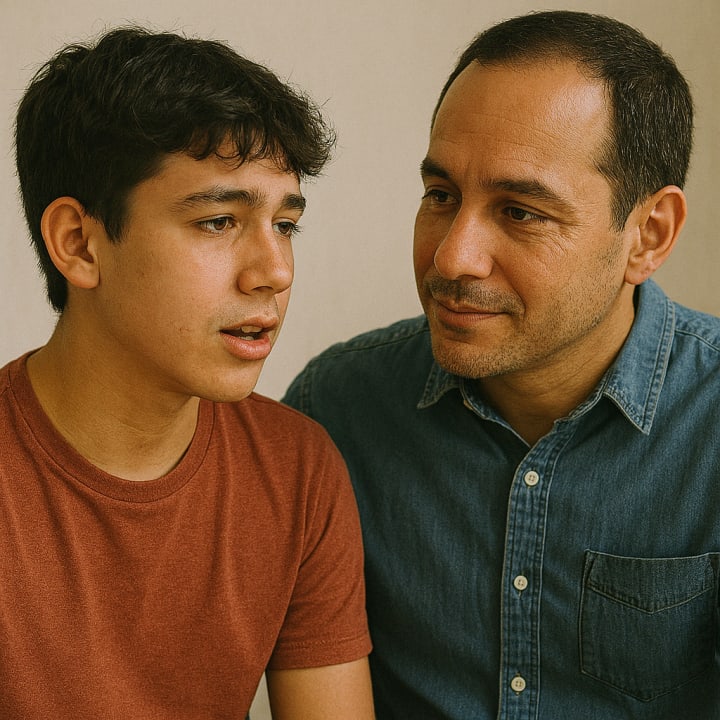
Talking about what you’re going through doesn’t make you less of a man—it makes you human. And it’s one of the most powerful steps you can take toward healing.
When you open up:
• Shame starts to fade. You realize your pain isn’t a weakness—it’s part of your story.
• You see you’re not alone. Others have walked through it too.
• You build real connection. One conversation can change everything.
NBA player Kevin Love once opened up about his panic attacks in a now-famous essay. He wrote: “Everyone is going through something we can’t see.” That one admission didn’t make him weak—it made him a leader.
Actor Michael B. Jordan has spoken openly about the emotional weight he carries—especially as a Black man navigating fame, loss, and expectations. He’s leaned on therapy and support systems, saying that “being emotionally available” is something he had to unlearn and rebuild in healthier ways.
Colombian reggaeton artist J Balvin broke new ground in Latin music when he spoke publicly about his anxiety and depression. In cultures where emotional struggles are often brushed off or silenced, he made it okay to say: “I’m not okay right now—and that’s okay.” His openness has inspired thousands of men to seek help without shame.
These men didn’t lose their strength by opening up. They showed us a new kind of strength—the kind we need more of.
Real Strength Looks Different
We’ve confused silence with strength for too long. True strength isn’t pretending everything’s fine—it’s facing the truth, no matter how uncomfortable.
In many communities of color, there’s a deep-rooted survival mentality—be tough, don’t show cracks. But healing requires a shift from surviving to living. And that starts by allowing ourselves to feel and speak.
Strong men:
• Own their story
• Ask for help when they need it
• Create safe space for others to do the same
This isn’t softness. This is leadership.
Here’s How to Start Talking
You don’t need to tell everyone everything. Just start somewhere.
• Talk to one person. A friend, your mom, a cousin, your barber—someone who cares.
• Write it out. Journaling helps you get clear before speaking out loud.
• Use safe, anonymous spaces. There are groups, apps, and subreddits created just for men of color navigating mental health.
• Find therapy that understands you. Look for culturally competent therapists who know where you’re coming from (Therapy for Black Men, Latinx Therapy, etc.).
You deserve support that respects your story and your roots.
It’s Time to Change the Narrative
We need to rewrite the story of masculinity—especially in our communities. Real men cry. Real men talk. Real men heal.
You don’t have to carry everything alone. You never did.
Talking about it isn’t weak. It’s strength, it’s healing, and it’s revolution.
About the Creator
Keep reading
More stories from writers in Families and other communities.
Nostalgia About Mornings
I am 43 now. I live in the USA and burn my midnight oil every day. That's my normal. Even as a village girl in India, I was a night owl. I read story books or painted late into the nights. May be the less chaos at night, gave me quality solitude and productivity.
By Seema Patel4 days ago in Families



Comments
There are no comments for this story
Be the first to respond and start the conversation.