
Why Exercise Is Key to Building Resilience and Confidence in Kids
The Powerful Role of Exercise in Boosting Resilience and Confidence in Kids


Regular movement does much more than help children stay fit. It shapes the way they think, act, and respond to challenges. The role of exercise in building resilience and confidence in kids is influential because it strengthens both the body and the mind. When children stay active, they learn skills that help them grow into strong, capable, and self-assured individuals. This article explains how exercise supports emotional strength, courage, and self-belief in clear and straightforward language.
How Exercise Helps Kids Develop a Strong Mind
A strong mind is just as important as a strong body. Kids face stress from school, friendships, and daily routines. Exercise helps them manage these feelings healthily. When they move, their bodies release chemicals that improve mood and reduce tension. These natural reactions help kids feel calmer and more focused. Physical activity also teaches children how to follow a routine. When they show up for practice, repeat drills, and stay committed, they learn discipline. This builds mental structure, helping them stay on track in school and in life.
The role of exercise in building resilience and confidence in kids can be seen when they face challenges through movement. Sometimes they try a skill and do not succeed at first. They may feel frustrated, but exercise teaches them to keep going. Each attempt builds patience and persistence. Over time, they learn that effort leads to improvement. This lesson becomes a strong foundation for resilience. Exercise also gives children space to concentrate on the present moment. When they are running, dancing, or practicing a sport, their minds stay focused on the activity. This focus helps reduce worry and makes it easier for them to think clearly.
Confidence Grows as Kids Build Physical Skills
Learning new skills through exercise naturally boosts confidence. When a child sees progress — such as jumping higher, running faster, or mastering a new move — they feel proud of themselves. These small wins show them that they are capable. Physical improvement helps kids feel more in control of their bodies. They begin to understand how their muscles work, how their balance improves, and how their strength grows. This self-awareness boosts self-esteem.
Team activities are beneficial for building confidence. Working with teammates teaches kids how to trust others and take responsibility. They learn to celebrate shared success and support others. Feeling like part of a group helps them believe in their own value. Confidence also grows when kids receive praise for their efforts. Coaches, parents, and peers all play a role in encouraging them. Hearing positive feedback helps kids feel seen and appreciated. This encouragement supports healthy self-confidence that can last a lifetime.
Exercise Helps Kids Manage Emotions in Healthy Ways
Many children struggle to understand or talk about their emotions. Exercise gives them a safe and effective way to express how they feel. When they move their bodies, they release built-up energy from anger, sadness, or stress. This helps them feel lighter and more balanced. Physical activity also teaches children how to handle difficult situations. During play or sports, things do not always go their way. They may lose a game, miss a shot, or fall during practice. These moments help kids learn patience, courage, and self-control.
Exercise also helps kids think more clearly. When they move, their brains receive more oxygen. This makes it easier for them to manage emotions and stay focused. A calm mind helps kids handle challenges with more confidence. Movement also encourages self-expression. Activities like dancing, martial arts, or gymnastics allow kids to express emotions through their bodies. This helps them feel understood and in control of their feelings.
How Exercise Builds Social Skills and Positive Connections
Children learn essential social skills through physical activity. When they join group games or sports, they practice communication, teamwork, and cooperation. These skills help them make friends and build strong relationships. Exercise teaches kids how to take turns, listen to others, and share responsibilities. These actions help them understand respect and fairness. When disagreements arise, they learn to handle conflict calmly and respectfully.
Kids also learn empathy through exercise. They know that everyone has different strengths and weaknesses. This helps them appreciate differences and support others. Understanding and accepting others strengthens their social confidence. Group activities help shy children come out of their shells. When they participate in simple games or friendly sports, they feel more comfortable speaking up and being themselves. Over time, this helps them grow more confident in all social settings.
Exercise Encourages Healthy Habits That Support Future Strength
Healthy habits formed during childhood often last into adulthood. When kids enjoy exercise, they are more likely to continue being active as they grow older. This supports lifelong physical and mental health. Regular movement improves sleep, energy levels, and concentration. Kids who exercise regularly often perform better in school and feel more focused. This improvement boosts confidence and reduces stress.
Exercise also supports a positive body image. When children feel strong, capable, and healthy, they develop a better sense of self-worth. Feeling good in their bodies helps them face challenges with greater confidence. Parents play a key role in encouraging healthy habits. When kids see adults enjoying movement, they are more likely to follow. Offering activities like biking, swimming, or simple backyard games can make exercise fun. Healthy habits help kids understand how to care for themselves. They learn that staying active helps their bodies and minds work better. This understanding supports stronger resilience and better decision-making in the future.
About the Creator
Marissa Haugh
Marissa Haugh, Oceanport-based wellness coach, helps clients transform health with personalized nutrition, fitness programs, and compassionate child development support.
Portfolio: https://marissahaugh.com/
Keep reading
More stories from Marissa Haugh and writers in Families and other communities.
Harmony in Health: Embracing a Holistic Path for Mind, Body, and Family Wellness
In modern society, health is often narrowly defined by the absence of illness or physical symptoms. However, holistic health offers a broader and more meaningful perspective, emphasizing the connection between the mind, body, and spirit, as well as the family. True wellness extends beyond simply eating well or exercising; it is about achieving balance, nurturing emotional well-being, and fostering strong family relationships. By embracing a holistic approach, individuals can lead more fulfilling lives while fostering an environment that supports family growth and well-being.
By Marissa Haugh2 months ago in Education
Wise~Guys
— Look Behind what's in Front of You ~ Make Good Choices — Hey, So how you Doin'..! Made~Men — Mobster Movies romanticise a distinctive, elegant appearance, impeccable attire style, along with the 'Families' expressive lingo. Making their 'Bones' gave them Panache — with vintage fedoras, tailored pin-striped suits, mirror-polished wing-tip shoes adorned with tassels; with their 'Gun Moll' gorgeous dates on their arms.
By Jay Kantor19 days ago in Families
We Agreed to Wait a Year Before Divorcing
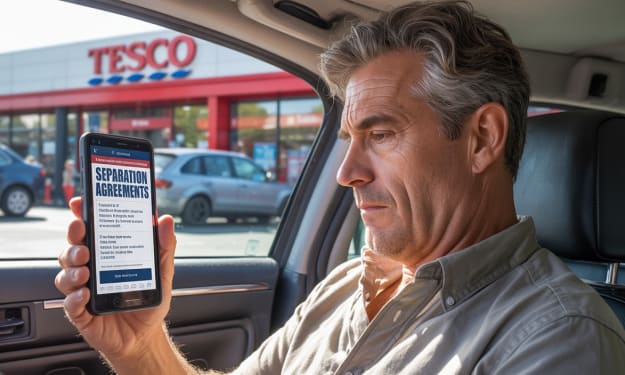
I was sat in my car outside Tesco, engine off, shopping list forgotten, when it properly hit me: I had no idea where I'd be living in six months. Rachel and I had decided to separate three weeks earlier, but beyond "we'll sort it out amicably," we'd done precisely nothing. The girls were in the middle of their A-levels, we were both exhausted from years of low-level bickering about money, and now I was having a minor panic attack in a car park because I couldn't answer basic questions about my own life.
By Jess Knauf6 days ago in Families



Comments
There are no comments for this story
Be the first to respond and start the conversation.