
When They Cry: The Gentle Art of Caring for a Child
Discover the powerful lessons hidden in your child’s tears and tantrums.
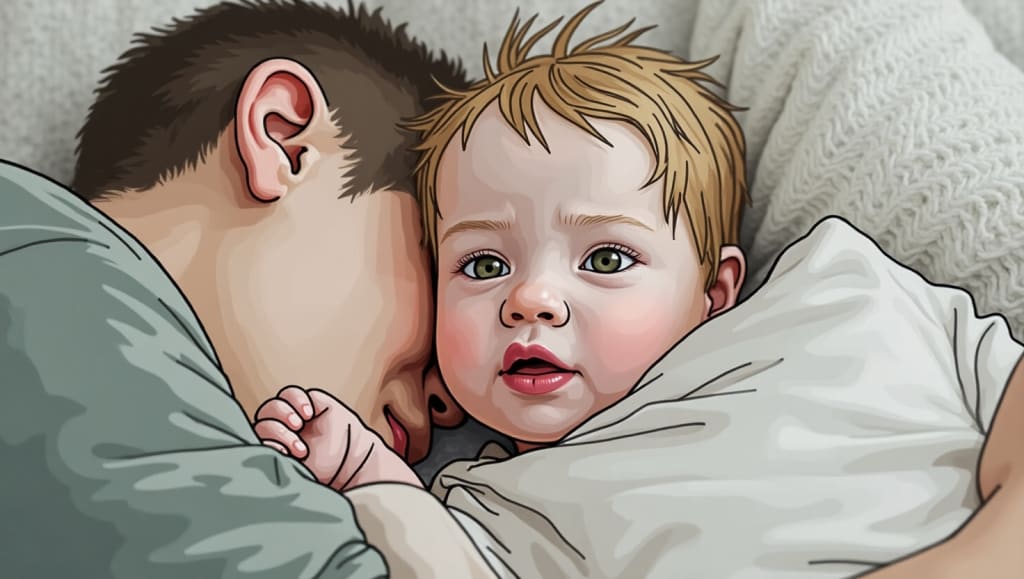
Caring for a child is one of the greatest responsibilities life offers. It is a role filled with joy, exhaustion, frustration, and love so powerful it can break and heal you in the same moment. I still remember the first time my son fell ill. His small chest was heaving, tears streaming down his flushed cheeks, and my heart felt as though it was being torn apart. Nothing prepares you for the helplessness you feel when your child is hurting. But over time, I learned that caring for a child is not about erasing every tear; it is about being present through each one.
Listening Beyond Words
Children, especially toddlers, communicate pain, fatigue, hunger, or fear through behaviour rather than words. A clingy child may not always be “spoiled” or manipulative. They might simply need reassurance in a world that feels too large, loud, and overwhelming. Whenever my son refused to leave my arms, I learned to pause my chores and hold him close, letting his heartbeat settle against mine until he felt safe to explore again.
Learning to listen beyond words builds a strong emotional connection with your child. It helps them grow into confident individuals who know that their feelings are valid, and that someone in this world truly understands them. This is the heart of gentle parenting: responding to needs, not reacting to behaviours.
Routine, Not Rigidity
In the early days of motherhood, I tried to control every detail: wake-up time, breakfast time, nap time, learning activities, play time, and bedtime. I believed that strict scheduling would build discipline and stability. But over time, I realised children are not machines to program. They thrive with routine, yes, but within that structure must flow flexibility.
One day, I let him nap an hour later because he was happily colouring his alphabet book. He woke up beaming and ready to colour the rest of it green. At that moment, I realised that growth happens best in security, not force. Routines guide children, but rigidity stifles them. A flexible approach allows your child’s natural curiosity and creativity to bloom.
Gentleness Is Strength
Growing up, I often heard that strictness builds respect, and discipline is the mark of a “good parent.” But with my son, gentleness nurtured trust, and trust built true respect. When he spilled his cup of milk all over the freshly cleaned floor or broke his toy car into two, his trembling lips showed that he expected scolding. Instead, I sat beside him, looked into his tearful eyes, and said softly, “It’s okay. Let’s clean this together.” These small acts taught him that mistakes do not reduce his worth. They are simply lessons along his path.
Gentleness is often misunderstood as weakness. But in reality, it is the greatest strength a parent can cultivate. It takes strength to remain calm during tantrums, patient through night wakings, and compassionate when your own reserves feel empty.
Caring for Yourself While Caring for a Child
One morning, after a sleepless night, I snapped at my son for refusing to eat breakfast. His downcast eyes and silent tears haunted me all day. I learned a powerful truth then: my ability to care for him is deeply rooted in my ability to care for myself.
A rested, nourished, and emotionally balanced parent can guide a child through tantrums, illnesses, and milestones with grace. Self-care is not selfish; it is the quiet fuel that keeps patience alive. Whether it is drinking your tea hot, reading a chapter of a book, or sitting in silence for five minutes, these small acts replenish you to pour gently into your child’s life.
Every Goodbye Matters
Whether dropping him at preschool, leaving him with grandparents, or simply going to another room to work, I ensure every goodbye is clear. I say, “I am going, but I will come back for you after your snacks.” This simple promise has reduced his separation anxiety significantly. Children need to know that we will return, no matter how mundane the departure seems to us. It builds trust, security, and emotional resilience in them.
Teaching Through Presence
Children observe everything – your words, your tone, your silences, and your actions. They learn how to handle frustration by watching you manage your own. They learn kindness when they receive it. They learn patience when it is given to them in their most unlovable moments. Caring for a child is less about teaching them lessons through lectures, and more about showing them life through your living example.
A Story Without an Ending
Caring for a child is a journey with no final chapter. Even when they grow up, move away, and build lives of their own, a parent’s care never retires. It simply shifts from holding hands to holding space, from bedtime kisses to early morning prayers whispered over their lives.
Each day, as we nurture them with gentleness, respect, and presence, we write silent pages of a story they will one day read back to themselves with gratitude. In their darkest hours, it is these memories that become their light. And in their brightest moments, it is your love that becomes their quiet strength.
✨ Thank you for reading
If this story touched your heart, leave a ❤️ and share your reflections on parenting in the comments. I love reading about your journeys too.
Follow me for more stories on parenting, resilience, and the quiet lessons of daily life.
#parenting #motherhood #childcare #gentleparenting #parentingtips #selfcare #emotionalhealth #motivation #lifestyle #vocalmedia
About the Creator
Keep reading
More stories from shahid ali and writers in Families and other communities.
Breaking Up with My Broken Lungs
By shahid ali khan Today in Humans Dear Broken Lungs, I’ve been thinking about how to say goodbye to you for years now. You’re the first thing I think of when I wake up and the last thing I feel before sleep pulls me under, shallow and aching. You remind me of yourself every single minute. Every cough. Every gasp. Every desperate sip of oxygen you decide not to give me.
By shahid ali7 months ago in Humans
Wise~Guys
— Look Behind what's in Front of You ~ Make Good Choices — Hey, So how you Doin'..! Made~Men — Mobster Movies romanticise a distinctive, elegant appearance, impeccable attire style, along with the 'Families' expressive lingo. Making their 'Bones' gave them Panache — with vintage fedoras, tailored pin-striped suits, mirror-polished wing-tip shoes adorned with tassels; with their 'Gun Moll' gorgeous dates on their arms.
By Jay Kantorabout a month ago in Families




Comments
There are no comments for this story
Be the first to respond and start the conversation.