
When Love Feels One-Sided: The Pain of Giving More Than You Receive
Recognizing the Signs of an Unbalanced Relationship and How to Heal from Emotional Burnout

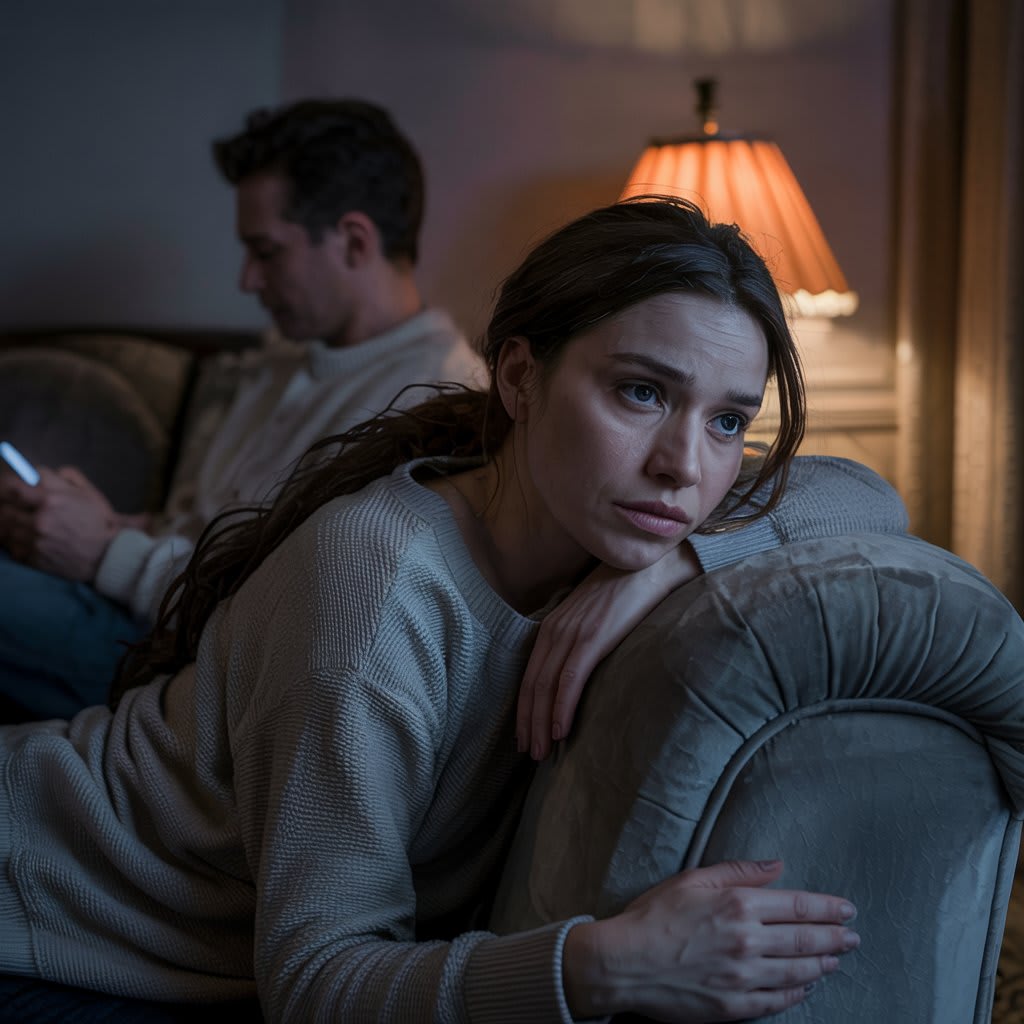
Love should be a two-way street—built on mutual effort, understanding, and care. But what happens when you’re always the one initiating conversations, planning moments, giving affection, and holding the relationship together? Slowly, what once felt like love can start to feel like exhaustion.
Being in a one-sided relationship is painful. It’s a silent hurt that builds over time—leaving one partner drained while the other may be oblivious to the imbalance. In this article, we’ll explore the signs of a one-sided relationship, how it affects your emotional health, and what steps you can take to restore balance—or find peace.
⸻
What Is a One-Sided Relationship?
A one-sided relationship is when one person consistently puts in more effort, emotionally, mentally, or physically, while the other person remains passive, distant, or even dismissive. It’s not just about doing more chores or paying for dates—it’s about emotional investment.
You might be in a one-sided relationship if:
• You’re always the first to call, text, or apologize
• Your efforts to connect are rarely reciprocated
• You feel emotionally neglected or unimportant
• Your partner avoids deep conversations
• You constantly make excuses for their behavior
It’s not about keeping score—it’s about emotional fairness.
⸻
Why Do One-Sided Relationships Happen?
1. Fear of Confrontation
Many people stay silent to avoid conflict. Over time, silence becomes a pattern, and imbalance grows.
2. Low Self-Worth
When someone doesn’t believe they deserve mutual love, they may overgive to “earn” affection.
3. The Other Partner Is Emotionally Unavailable
Whether due to past trauma or current stress, some people simply struggle to connect deeply.
4. Dependency or Control
One partner may rely too heavily on the other—or unconsciously enjoy having control by doing less.
⸻
The Emotional Impact
Staying in a one-sided relationship can take a toll:
• Resentment builds. What begins as patience can turn into bitterness.
• Self-worth declines. You may start believing you’re not “enough.”
• Emotional burnout. Constant giving with no return leads to fatigue, anxiety, and sadness.
• Loneliness within love. Perhaps the hardest part—you feel alone, even though you’re not technically single.
⸻
How to Heal and Find Balance
1. Get Honest with Yourself
Ask yourself: Am I truly happy? Do I feel valued? Awareness is the first step to change.
2. Communicate Clearly
Have an honest, calm conversation. Express how you feel—not to accuse, but to explain. Say something like, “I feel like I’m putting in a lot of effort, and I don’t feel it’s being matched. Can we talk about this?”
3. Set Boundaries
Don’t always be the one to initiate. Step back and observe. If effort disappears, that’s your answer.
4. Prioritize Self-Love
Reinvest in your own joy, passions, and identity. A healthy relationship starts with a healthy self.
5. Consider Counseling
A therapist can help unpack deep-rooted issues—both for individuals and couples.
6. Know When to Walk Away
If the imbalance continues despite your efforts, leaving may be an act of self-respect—not failure.
⸻
Conclusion
You deserve a love that doesn’t make you question your worth. A love where effort, care, and respect flow both ways. While relationships take work, they should never feel like a constant uphill battle for just one person.
Recognizing a one-sided dynamic takes courage. Healing from it takes strength. But what’s waiting on the other side—balance, peace, and true love—is worth every step.
About the Creator
Zakir Khan
Storyteller at heart, passionate about crafting tales that inspire, entertain, and spark thought. I write across genres—from heartfelt narratives to meaningful reflections. Join me on a journey through words, where every story has a soul.
Keep reading
More stories from Zakir Khan and writers in Families and other communities.
The Silent Killer of Relationships: How Emotional Distance Grows—and How to Stop It
In the early stages of a relationship, everything feels exciting. You talk for hours, share secrets, laugh at inside jokes, and genuinely enjoy each other’s company. But as time passes, responsibilities increase, routines settle, and often without even realizing it, emotional distance begins to grow. This invisible gap can silently chip away at the foundation of even the strongest relationships.
By Zakir Khan9 months ago in Families
Wise~Guys
— Look Behind what's in Front of You ~ Make Good Choices — Hey, So how you Doin'..! Made~Men — Mobster Movies romanticise a distinctive, elegant appearance, impeccable attire style, along with the 'Families' expressive lingo. Making their 'Bones' gave them Panache — with vintage fedoras, tailored pin-striped suits, mirror-polished wing-tip shoes adorned with tassels; with their 'Gun Moll' gorgeous dates on their arms.
By Jay Kantor19 days ago in Families




Comments
There are no comments for this story
Be the first to respond and start the conversation.