
What Quiet Children Wish Adults Understood
Recognizing signs of introversion, silence, or emotional withdrawal - and what you can do to support them

I. Understanding Starts Here
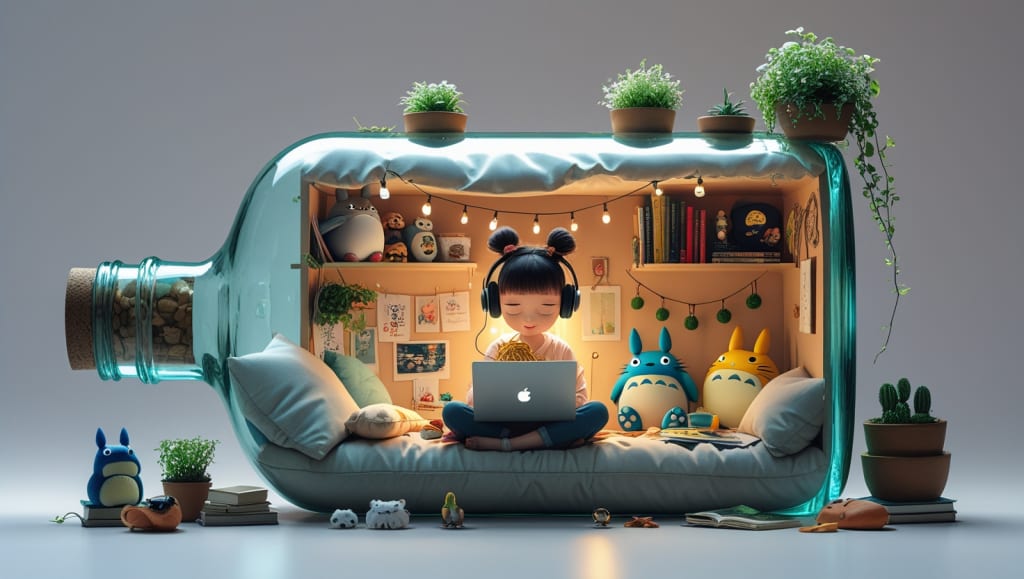
Not every child wants to be the center of attention. Some kids speak less, prefer to be alone, or take longer to open up. Unfortunately, many adults mistake this for something being "wrong." But being quiet isn't a flaw - it's just a different way of being. Most of the time they tend to find joy in darkness, smile in silence. Their version of 'Comfort Place'.
Research suggests that around 25% to 40% of the population are introverts, and this includes children. According to a study by McKenzie Pediatrics, at least one in three children are introverts. That means millions of children around the world are living with personalities that naturally lean toward quietness, introspection, and solitude. But because our society tends to value loudness, charisma, and fast social interaction, these children often feel misunderstood, overlooked, or pressured to change.
This article unpacks what it means to be a quiet child or teen, how to recognize their needs, and how to support them in a way that allows them to thrive. Whether you're a parent, teacher, or simply care about a young person who seems withdrawn, this guide is for you.
II. Understanding the Quiet Child and Teen
A. Defining Introversion in Young People
Introversion isn't a problem; it's a personality type. Introverted kids and teens often enjoy spending time alone or with one close friend rather than in large groups. They think before they speak, and they can feel drained by too much social interaction. Unlike shy individuals, who may want to engage but feel nervous, introverted people are usually content doing their own thing.
B. Silence vs. Emotional Withdrawal
Some children and teenagers are naturally quiet. That's okay. But when silence comes with sadness, disconnection, or sudden changes in behavior, it could signal something deeper. Signs of emotional withdrawal:
- Avoiding eye contact
- Losing interest in favorite activities
- Becoming unusually clingy or distant
- Seeming tired or disconnected
- Withdrawing from family, friends, or school activities
C. Cultural and Personality Factors
In some cultures, being quiet is seen as respectful or mature. Also, some kids and teens are just naturally more observant. It's important not to label them as troubled or antisocial when they may simply be reflecting their cultural norms or personality.
III. Recognizing the Signs
A. Behavioral Indicators
- Hesitant to speak in groups or new situations
- Needs time to warm up to people
- Often listens carefully but doesn't jump into conversations
- Frequently daydreams or prefers solo activities
B. Emotional Signals
- Nervous in noisy, crowded places
- Fearful of being wrong or judged
- May cry or shut down during social pressure
- Shows signs of anxiety when expected to perform or socialize
C. Academic and Social Observations
- Performs well on written assignments but avoids class discussions
- May be praised for being "well-behaved" while silently struggling
- Has one or two close friends, often avoids group projects or parties
- Struggles with transitions, changes in routine, or group attention
IV. Why Some Children and Teens Are Quiet
A. Nature vs. Nurture
Some young people are born with quiet temperaments. Others become quiet due to how they were raised or the environments they've been in. Both are valid.
B. Past Experiences
Sometimes, children and teenagers become quieter after difficult experiences - like bullying, being constantly corrected, or feeling socially rejected. This silence becomes a form of self-protection.
C. Developmental Considerations
Some quietness might be linked to language delays, learning difficulties, or neurodivergence (such as autism or sensory processing differences). These children may need a different kind of support that honors their communication style.
D. Loud Inner Worlds and Overthinking
Quiet children aren't always calm inside. In fact, the quieter the outside, the louder the inside can be. Overthinking is a natural side effect of processing everything internally - words, emotions, and even micro-interactions.
They may replay conversations, anticipate worst-case scenarios, or constantly critique themselves. Their inner dialogue is often non-stop, filled with worry, imagined conversations, and hypothetical fears.
This can lead to:
- Rumination and social anxiety
- Trouble sleeping due to mental overload
- People-pleasing habits and perfectionism
In some cases, children may even develop mild OCD-like tendencies - ritualistic thinking, repetitive checking, or strict routines. It's not always clinical OCD, but it can mimic its patterns, especially if the child is highly sensitive or anxious.
V. Real Ways to Help a Quiet or Withdrawn Child/Teen (Beyond the Basics)
Supporting quiet children and teens begins with listening - really listening - not just to their words, but to their behavior, energy, and boundaries. These young individuals often communicate in subtle ways: a thoughtful gesture, a delayed smile, or a journal left half-open. They may not always articulate their needs, but they still want to be seen, accepted, and valued for who they are.
Understanding that quietness is not a flaw but a part of their personality allows parents, teachers, and caregivers to create supportive environments where they can grow at their own pace. The following sections outline practical steps to help them flourish in different settings.
1. Give Them Roles That Matter (Even Small Ones)
Quiet kids often feel invisible. Assign them purposeful roles that don't involve public speaking, like:
- Organizing classroom materials
- Helping with a pet or sibling at home
- Designing something (posters, games, playlists)
- Managing a small task, like being the class "quiet time" leader
This builds identity without forcing loudness.
2. Mirror Their World - Speak Their Language
If they like to draw, draw with them. If they're into music, ask them what they're listening to. If they write stories or game alone, read one of their creations.
Don't drag them into your world - enter theirs quietly. That's where connection begins.
3. Use "Side-by-Side" Conversations
Talking face-to-face can feel intense. Try walking, drawing, or driving instead. These side-by-side moments remove pressure, and that's often when they feel comfortable and eventually building trust to open up.
4. Build One Core Safe Relationship
Sometimes they don't need 10 friends. Just one consistent person they feel safe with (an older cousin, a neighbor, a mentor, a friend who gets them) can change their entire trajectory. Encourage and protect that bond.
5. Create a Ritual of Joy or Comfort
Whether it's a nightly tea, a weekly library trip, or morning journaling, routines help calm the nervous system. Make space for connection, reflection, and joy in a way that feels safe and soothing.
6. Let Silence Be Safe - Not Awkward
Many adults try to fill silence, but for quiet kids, silence is home. Don't interrupt it. Normalize long pauses, and don't always push for responses. Just being there without pressure is healing.
7. Teach Boundaries and "Scripts"
Quiet teens often don't know how to say no or express discomfort. Role-play "scripts" they can use:
- "I'm not up for talking right now, but I'm listening."
- "Can I message you later? I need space."
This gives them language to protect themselves.
8. Don't Pathologize Them - Empower Them
Avoid saying things like:
- "You're too sensitive."
- "You need to come out of your shell."
Instead say:
- "You notice things others miss."
- "I admire how deeply you think."
Validate their personality - don't try to fix it.
9. Give Them Emotional Language
Quiet kids often feel more than they can say. Help them label feelings through:
- Emotion wheels
- "I feel ___ because ___" journaling
- Describing what they see in art or characters
This gives shape to inner chaos - and leads to expression.
10. Teach Adults and Peers to Include Them Gently
It's not just the quiet kid who needs to change - teachers, siblings, and classmates need guidance too:
- Invite them in ways that don't spotlight them
- Don't tease or comment on their quietness
- Let them participate in low-pressure ways (DMs, group notes, partner projects)
11. Therapy That Doesn't Feel Like Therapy
Some kids hate talking to "a stranger in an office." Instead, look for:
- Art therapy
- Play therapy
- Animal-assisted therapy
- Online text-based support groups for teens
Meeting them where they are opens the door to healing.
12. Be the Memory They'll Carry
In a loud world, the adult who sat beside them in silence, who wrote them notes, who remembered their favorite flower or game - that's the one they remember forever.
Be that person.
VI. The Long-Term Impact: Into Adulthood
Quietness doesn't always go away with age. Some teens grow into quiet adults who still struggle to fit into fast-paced, talk-heavy environments. If not supported in their youth, these individuals may:
- Face difficulties in job interviews or group settings
- Feel socially exhausted or alienated
- Experience loneliness and isolation
- Get overlooked in careers despite being competent
Without encouragement and acceptance early on, many introverts learn to mask who they are, pretend to be outgoing, or worse - pull back entirely. This is why it's so important to start young, to validate and affirm quiet children and teenagers as they are.
VII. Knowing When to Seek Help
If quietness starts turning into sadness, isolation, or acting out, it's okay to ask for help. Red flags include:
- Not speaking at all in certain settings (selective mutism)
- Loss of appetite or sleep
- Extreme fear or sadness
- Aggressive or self-isolating behaviors
Reach out to a school counselor, pediatrician, or child psychologist. Early support makes a big difference and can prevent long-term emotional difficulties.
VIII. Conclusion
Quiet children and teens have rich inner worlds. They may not always speak up, but they notice everything. They care deeply, think deeply, and bring balance to a loud world. They don't need fixing - they need understanding.
By recognizing their cues, accepting who they are, and supporting their growth gently, we can help them feel safe, seen, and celebrated. In a society that often favors loudness, we must remember: quiet is not weak. Quiet is wise. Quiet is powerful in its own way.
In fact, studies show that as many as one in three children are introverts - and many of them will carry these traits into their teenage years and adulthood. This isn't simply a phase for some; it's a lifelong temperament. Without the right understanding and support, these individuals may find it difficult to adjust to fast-paced, socially demanding environments. As a result, many teens and adults who were quiet children struggle to make meaningful social connections, often facing bullying, rejection, or extreme isolation.
According to the National Institutes of Health and similar research sources, social withdrawal in children can have long-term consequences for mental health and self-esteem. It's important to recognize that being introverted or reserved is not a sign of psychological disturbance.
As Susan Cain, author of Quiet, puts it:
"There's zero correlation between being the best talker and having the best ideas."
If you or someone you know has a quiet child or teen, know this:
Being quiet is not a flaw - it's a strength that just needs the right environment to bloom. Parents and caregivers can help by making space for positive, low-pressure moments - reading together, enjoying shared hobbies, or simply being present. A single, like-minded friend can also open up a world of comfort and self-expression.
Quiet kids don't need to be louder. They just need to be heard.


About the Creator
Dishmi M
I’m Dishmi, a Dubai-based designer, writer & AI artist. I talk about mental health, tech, and how we survive modern life.
Subscribe for healing advice, human stories & future thoughts!
Reader insights
Outstanding
Excellent work. Looking forward to reading more!
Top insights
Compelling and original writing
Creative use of language & vocab
Easy to read and follow
Well-structured & engaging content
Excellent storytelling
Original narrative & well developed characters
Expert insights and opinions
Arguments were carefully researched and presented
Eye opening
Niche topic & fresh perspectives
Heartfelt and relatable
The story invoked strong personal emotions
Masterful proofreading
Zero grammar & spelling mistakes
On-point and relevant
Writing reflected the title & theme
Christmas Abroad: Celebrating the Holidays Without Family
I moved to South Korea in 2017. I was twenty-two years old and excited to start my career as an English Second Language Teacher. With a Bachelor's degree and six hundred dollars in my bank account, I set off for Busan.
By Kera Hollowabout a month ago in Families



Comments (2)
Great work!
I think it's great you're exploring what it means to be a quiet child. It's so important to understand that being quiet isn't a bad thing. I've seen in my work how kids who are introverted can be incredibly creative and insightful. But it's tough when society pressures them to be different. How can we better help these kids feel accepted for who they are, especially in school settings? And it's key to tell the difference between normal quietness and emotional withdrawal. The signs you listed are really helpful. Have you seen any specific examples of how adults misread these signs and made the situation worse?