
What is Infertility? Causes of Infertility in Male and Female
Fertility Treatment (IVF)
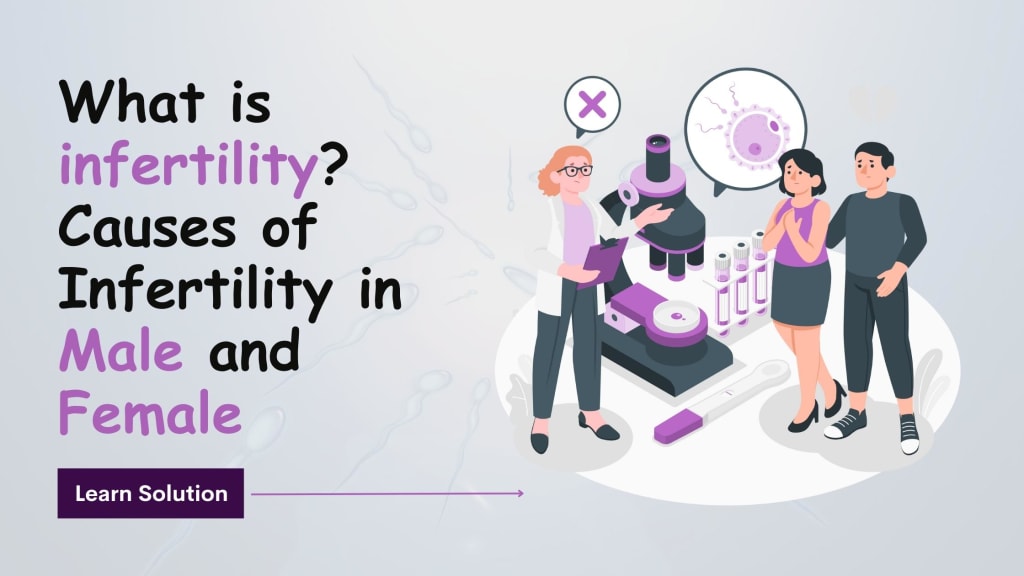
Infertility has become a prevalent term in recent times, but there is a lack of clarity surrounding its definition. Today, we will delve deeper into this issue and gain a comprehensive understanding of what infertility is, its causes, and potential solutions. Let us begin our journey into understanding infertility!
What is Infertility?
Let’s start with an explanation of infertility. Infertility refers to the inability to achieve pregnancy despite actively trying for six months or longer. It includes the inability to carry a pregnancy to term. Primary infertility is defined as the inability to conceive for women who have never been pregnant, while secondary infertility refers to women who have had at least one successful pregnancy but are unable to conceive again.
Both men and women can experience infertility, with approximately 10% to 15% of Indians affected by this issue. Infertility rates are particularly high in metropolitan areas.
Infertility is common
Infertility is not as rare as people often think. It is a common medical condition that affects many couples around the world, with one in every six couples experiencing difficulty conceiving a child. Both men and women can be affected by infertility.
Several factors can contribute to infertility, such as age, lifestyle habits including smoking and alcohol consumption, medical conditions like endometriosis and polycystic ovary syndrome(PCOS), and environmental factors such as exposure to toxins and chemicals.
Couples who are trying to conceive and facing infertility may find the experience challenging and emotionally draining. Nonetheless, it is crucial to understand that many effective treatments are available to overcome infertility. These can include fertility medications, surgical procedures, assisted reproductive technologies like in vitro fertilization (IVF), and the use of donor sperm or eggs.
Although infertility may be a difficult journey, there is hope for those who are experiencing difficulties in conceiving.
Infertility is a disease?
Infertility is often misunderstood as a disease, but it is a reproductive system issue that affects the body’s ability to conceive. Both men and women can experience infertility due to various factors, including problems with the reproductive system.
- A successful pregnancy requires several events to take place. These events include,
- The production of healthy sperm by the male and healthy eggs from the woman.
- The fallopian tubes must also be open for the sperm to reach the egg.
- The sperm must be able to fertilize the egg, and the fertilized egg must successfully implant in the uterus.
- Finally, the embryo must be in good health for the pregnancy to continue successfully.
Infertility can be a challenging experience for couples trying to conceive, but it is essential to remember that there are many effective treatments available. To find an accurate diagnosis, support, and suitable treatment options, it is essential for couples struggling with infertility to seek the assistance of healthcare professionals.
Infertility is caused by
Now that we have a good understanding of what infertility is and how prevalent it is among couples, let’s take a closer look at the possible causes of infertility. Infertility can be a challenging and emotionally exhausting experience for couples who are trying to conceive. It’s not always easy to pinpoint the root causes of infertility, but it’s essential to know that there are a variety of factors that can contribute to this condition.
Causes of Male Infertility
When it comes to male infertility, several causes can lead to difficulty in conception. These include,
- Low sperm count
- Abnormal sperm morphology
- Varicocele
- Ejaculation issues
- Lifestyle factors
- Genetic factors
These can all affect the quality and quantity of sperm, making it harder for fertilization to occur.
Causes of Female Infertility
Female infertility is just as common as male infertility and can be caused by a range of issues.
It can be,
- Ovulation disorders
- Endometriosis
- Fallopian tube damage
- Uterine problems
- Age
All of these have an impact on a woman’s ability to conceive or carry a pregnancy to full term. These issues can prevent the fertilization of the egg or implantation in the uterus, leading to difficulty in conception.
Infertility is a complex issue and often there may be multiple factors at play. Sometimes it could be difficult to find the root of the cause. If you’re experiencing infertility, seeking gynaecologist guidance is recommended.
Infertility is Genetic
Have you ever heard of genetic infertility? It’s a condition that can be inherited in some cases. But what exactly causes it? Let’s take a closer look at the genetic factors behind this condition.
Genetic Disorder that causes infertility
Infertility can have genetic components, but it is not entirely a genetic condition.
There are specific genetic disorders and chromosomal abnormalities that may cause infertility in both men and women.
These include Turner Syndrome, Klinefelter Syndrome, Fragile X-Associated Primary Ovarian Insufficiency, and Cystic Fibrosis, among others. However, it is important to note that infertility can also be caused by other factors, such as lifestyle choices, medical conditions, and environmental factors.
It can be overwhelming to face fertility challenges, but it is important to remember that there are many options available for treatment, and with the right support and care, many couples can conceive. Don’t lose hope, and speak to your doctor to explore your options and find the best course of action for your situation.
Infertility is caused by due to a deficiency of which vitamin
Did you know that there’s a common misconception about the connection between fertility and vitamins?
Many people think that infertility can be caused by vitamin deficiencies. However, the truth is that there’s no single vitamin deficiency that directly causes infertility in either men or women.
Infertility is a complex medical condition with a range of causes, such as lifestyle factors, medical conditions, environmental factors, and genetic factors.
Nevertheless, certain vitamins and nutrients are vital for reproductive health and may play a role in fertility.
Take folic acid, for example, which is a B vitamin that’s essential for healthy fetal development and can help prevent birth defects. If you’re trying to conceive, it’s recommended that you take a folic acid supplement of at least 400 mcg per day.
While it’s important to maintain a healthy diet and ensure that you’re getting enough vitamins and nutrients for overall health and well-being, there’s no single vitamin deficiency that can be directly linked to infertility. Remember, infertility is a complex issue, but by taking care of your body, you can give yourself the best chance of conceiving.
Infertility is Curable
Don’t let infertility issues stress you out. It’s a common medical condition that affects many couples worldwide. But the good news is that there are treatment options available that can help you conceive.
The first step is to seek the help of a healthcare professional who specializes in reproductive medicine. They can help identify the cause of your infertility and provide appropriate treatment options.
- In some cases, simple lifestyle changes like quitting smoking, reducing alcohol consumption, and improving diet and exercise habits can make a big difference in improving fertility.
- Medications may also be prescribed to regulate ovulation or treat underlying medical conditions that may be affecting fertility. And in some cases, surgical procedures may be necessary to correct anatomical issues that are affecting fertility.
- If these options don’t work, there are still other ways to conceive. Assisted reproductive technologies like in vitro fertilization (IVF) can be used to retrieve eggs from the ovaries and fertilize them with sperm in a laboratory. And for some couples, donor sperm or eggs or even surrogacy may be options to consider.
It’s important to remember that infertility is a treatable condition, and seeking the help of a healthcare professional who specializes in reproductive medicine is the first step toward identifying the cause of infertility and exploring appropriate treatment options. So don’t give up hope — there are ways to achieve your dream of starting a family.
About the Creator
Keep reading
More stories from max tension and writers in Families and other communities.
Fertility Foods to Increase Your Odds of Conceiving
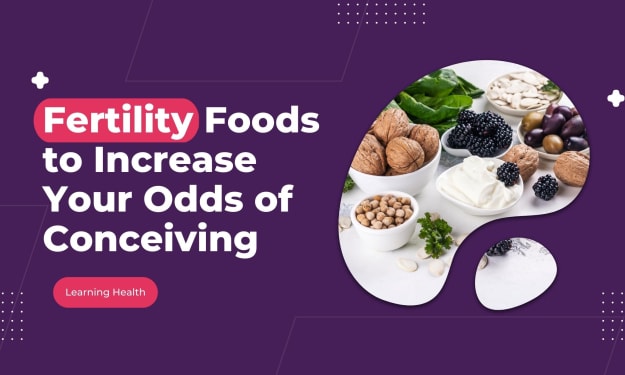
Fertility Foods to Increase For many couples, the journey to conception can be long and challenging. Many factors affect fertility, including age, lifestyle habits, and underlying health conditions. But did you know that the food you eat can also play a role in your ability to conceive? The right nutrients and foods can help support healthy fertility and increase your chances of having a baby.
By max tension3 years ago in Families
Wise~Guys
— Look Behind what's in Front of You ~ Make Good Choices — Hey, So how you Doin'..! Made~Men — Mobster Movies romanticise a distinctive, elegant appearance, impeccable attire style, along with the 'Families' expressive lingo. Making their 'Bones' gave them Panache — with vintage fedoras, tailored pin-striped suits, mirror-polished wing-tip shoes adorned with tassels; with their 'Gun Moll' gorgeous dates on their arms.
By Jay Kantor20 days ago in Families
Forever Mommy
You are placing bricks, one on top of the other, oblivious to the couples pressing their noses to the glass that separates them from you. The room on this side of the glass has many more like you, in all shapes, sizes, colours, and ethnicity scattered on tables, chairs and mats, playing and laughing unaware of the fate that awaits you on the other side of the glass. The couples on the other side are seated in a waiting room awaiting their turn to view from the glass and choose their prospective offspring. It’s a thrift store of the unwanted and used.
By Poonam Desai5 days ago in Families
Smart phones, Humans and Aliens.
WARNING. I will be tapping into one of your favorite creative tensions: The absurdity of humans worshipping their glowing rectangles as if they were tiny oracles. There’s something deliciously poetic about that contradiction, and it lends itself beautifully to an instructive proviso.
By Novel Allen5 days ago in Poets



Comments
There are no comments for this story
Be the first to respond and start the conversation.