
What are the Examples of Reminiscence Therapy for Dementia Patients?
Advanced techniques in reminiscence therapy for dementia care

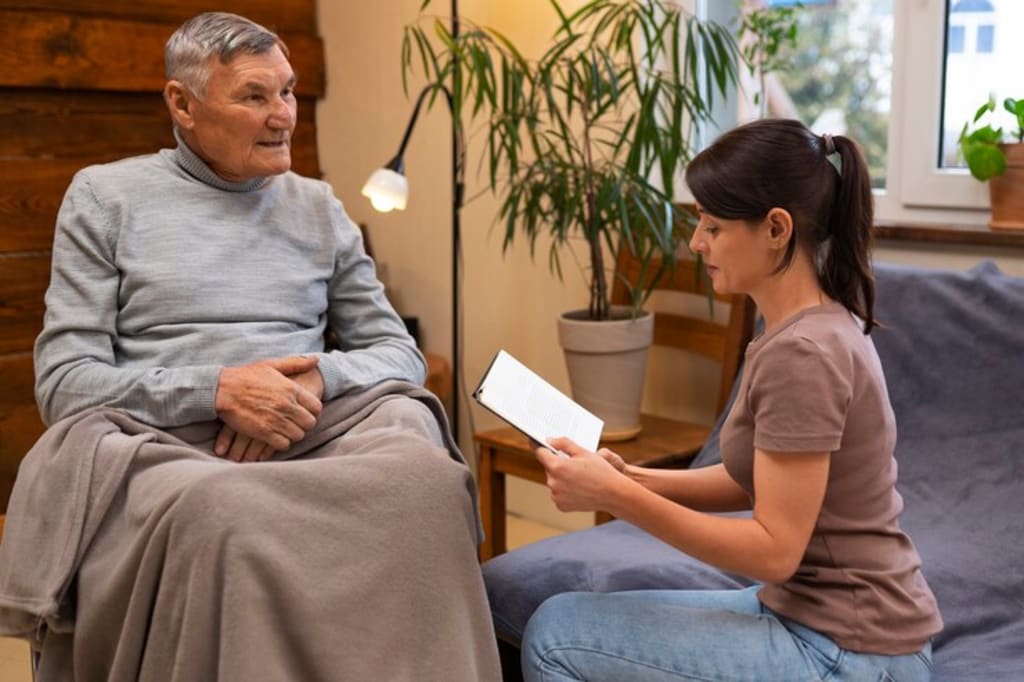
Reminiscence therapy represents a sophisticated and multidimensional intervention tailored to support individuals with dementia by fostering recollection and expression of personal memories. This approach is underpinned by psychological, neurological, and social principles, offering significant enhancements to emotional well-being, interpersonal connections, and cognitive functioning. Below, we examine exemplary applications of reminiscence therapy, emphasizing evidence-based practices and their contributions to dementia care.
Conceptual Framework of Reminiscence Therapy
At its core, reminiscence therapy utilizes structured and semi-structured techniques to stimulate autobiographical memory through tangible and intangible prompts. These may include photographs, music, artifacts, or sensory stimuli, designed to evoke episodic memories. By leveraging the preserved aspects of long-term memory, this therapy provides a conduit for individuals to reconnect with their identities, mitigate isolation, and engage meaningfully with caregivers and peers. Personalization and adaptability are central tenets, ensuring efficacy across various stages of cognitive decline.
Photographic Stimuli and Autobiographical Recall
Photographs and curated family albums function as critical tools within reminiscence therapy, facilitating access to long-term memory repositories. This modality enables participants to:
- Reinforce self-concept: Revisiting significant life events solidifies a sense of continuity and identity.
- Facilitate dialogic interaction: Narratives inspired by imagery promote verbal engagement and social bonding.
- Alleviate psychological distress: Positive recollections counteract symptoms of anxiety and depression associated with dementia.
Caregivers and facilitators may extend the scope by incorporating thematic visual materials, such as cultural landmarks or epoch-specific imagery, to contextualize discussions within the patient’s lived experiences.
Music Therapy as a Mnemonic Catalyst
Music, an inherently mnemonic and emotive medium, occupies a pivotal role in reminiscence therapy. By employing melodies, lyrics, and rhythms rooted in the individual’s formative years, practitioners can:
- Evoke emotional resonance: Familiar tunes elicit affective responses that foster comfort and reduce agitation.
- Enhance cognitive engagement: Singing along or recalling lyrics activates neural circuits involved in memory retrieval.
- Encourage collective participation: Group musical activities amplify social cohesion and reduce isolation.
Empirical studies underscore the potency of music therapy in activating the medial prefrontal cortex, a region often resilient to neurodegenerative damage, thereby optimizing therapeutic outcomes.
Narrative Construction and Oral Histories
Storytelling represents an integral dimension of reminiscence therapy, affording dementia patients the opportunity to articulate their life histories. Structured approaches to narrative therapy involve:
- Thematic inquiries: Questions targeting specific epochs, such as childhood or early adulthood, to elicit detailed responses.
- Integrative props: Artifacts like diaries, postcards, or heirlooms serve as cognitive anchors for memory recall.
- Archival documentation: Recording and preserving oral histories provides a lasting legacy for families and enhances the patient’s sense of purpose.
This modality aligns with narrative therapy principles, fostering coherence in autobiographical recollection and offering a scaffold for caregivers to comprehend the patient’s psychosocial background.
Sensory-Driven Memory Elicitation
Engagement of the sensory modalities—visual, auditory, olfactory, gustatory, and tactile—is an advanced technique in reminiscence therapy. Specific applications include:
Olfactory cues: Scents associated with particular experiences, such as baking or seasonal aromas, act as potent triggers.
Tactile exploration: Handling textured objects like fabrics or tools evokes memories linked to professional or domestic activities.
Gustatory stimuli: Foods and beverages with personal or cultural significance stimulate recollections and emotional satisfaction.
The integration of multisensory elements enhances neural activation across diverse cortical areas, reinforcing the salience of recalled memories and improving therapeutic efficacy.
Technological Innovations in Virtual Reminiscence
The advent of digital technologies has expanded the horizons of reminiscence therapy, introducing tools such as virtual reality (VR) and interactive media. Applications include:
- Simulated environments: VR platforms enable immersive revisitations to formative locales, such as childhood neighborhoods or travel destinations.
- Dynamic storytelling: Digital photo archives and multimedia presentations facilitate seamless access to personalized content.
- Engagement amplification: Interactive interfaces encourage proactive participation and autonomy.
These advancements democratize access to tailored reminiscence therapy, particularly for patients with mobility constraints or advanced cognitive decline.
Memory Boxes as Personalized Archives
A memory box functions as a bespoke compilation of artifacts emblematic of the patient’s personal history. Typical inclusions are:
- Photographic mementos and handwritten correspondence.
- Keepsakes, such as medals, jewelry, or travel souvenirs.
- Implements from hobbies or professions, symbolizing pivotal life roles.
Beyond their tactile and mnemonic value, memory boxes serve as conversational focal points, fostering interaction and enabling caregivers to frame discussions within an affirming narrative context.
Artistic Modalities and Expressive Therapies
Art therapy integrates creative expression as a conduit for memory stimulation and emotional articulation. Techniques encompass:
- Visual arts: Painting or sketching scenes that resonate with past experiences.
- Craft-based activities: Replicating traditional crafts or introducing novel artistic challenges.
- Collage and scrapbooking: Combining imagery, text, and decorative elements to construct visually rich memory journals.
These practices align with theories of embodied cognition, wherein artistic engagement bridges the gap between abstract recollection and tangible expression, enhancing both cognitive and emotional outcomes.
Synergistic Benefits of Group Therapy
Group-based reminiscence therapy fosters communal interactions and mutual support among participants. Key features include:
- Thematic workshops: Structured sessions centered on shared cultural or generational experiences.
- Collaborative playlists: Collective selection of music to create a shared auditory landscape.
- Gamified memory exercises: Trivia and role-play activities that leverage historical knowledge and promote teamwork.
The collective dynamic engenders a sense of solidarity, reducing stigma and enhancing the overall therapeutic milieu.
Efficacy and Underlying Mechanisms
Reminiscence therapy’s efficacy is rooted in its ability to activate autobiographical memory networks while addressing psychosocial needs. Benefits include:
- Mood stabilization: Positive recollections alleviate dysphoria and contribute to emotional resilience.
- Relational enrichment: Shared memories deepen bonds with caregivers and peers.
- Cognitive reinforcement: Repeated recall exercises neural plasticity, mitigating cognitive decline trajectories.
By interweaving psychological insights with individualized care strategies, reminiscence therapy exemplifies a comprehensive model of dementia care.
The Role of Caregivers in Therapeutic Implementation
Caregivers occupy a pivotal role in tailoring and administering reminiscence therapy. Their responsibilities encompass:
- Designing activities aligned with the patient’s unique biographical and cultural context.
- Actively engaging in sessions to model empathetic listening and conversational reciprocity.
- Monitoring therapeutic impact to ensure alignment with patient comfort and capacity.
Training in evidence-based methodologies equips caregivers with the skills to optimize therapy outcomes, fostering a collaborative and supportive caregiving environment.
About the Creator
Laura Parton
Laura Parton is a dedicated professional in Senior Care and Senior Health, committed to improving the well-being and quality of life for older adults. With extensive experience, she excels in providing compassionate care and support.
Keep reading
More stories from Laura Parton and writers in Families and other communities.
How Assisted Living and Memory Care Support Seniors with Dementia
Dementia is a progressive condition that affects millions of seniors worldwide, presenting unique challenges for their care and quality of life. Assisted living and memory care facilities are specifically designed to address these challenges, providing tailored support and enhancing the lives of seniors with dementia. In this article, we explore the vital roles these facilities play in supporting seniors and their families.
By Laura Partonabout a year ago in Families
Wise~Guys
— Look Behind what's in Front of You ~ Make Good Choices — Hey, So how you Doin'..! Made~Men — Mobster Movies romanticise a distinctive, elegant appearance, impeccable attire style, along with the 'Families' expressive lingo. Making their 'Bones' gave them Panache — with vintage fedoras, tailored pin-striped suits, mirror-polished wing-tip shoes adorned with tassels; with their 'Gun Moll' gorgeous dates on their arms.
By Jay Kantor18 days ago in Families
The quiet sound of families breaking
There is a kind of silence that is louder than any noise. It is the silence of a child waking in the night and realizing their parent is gone. It is the silence of a kitchen table with one chair suddenly empty. It is the silence of a home that still looks the same, but no longer feels the same. Across the United States, thousands of families live inside that silence. Not because of war. Not because of disaster. Not because of death. But because of policy.
By Kaylee Souther7 days ago in Families



Comments
There are no comments for this story
Be the first to respond and start the conversation.