
Voices That Connect: The Power of Vocal Media in Shaping Social Bonds
How Voice-Based Communication is Redefining Relationships and Community in the Digital Age

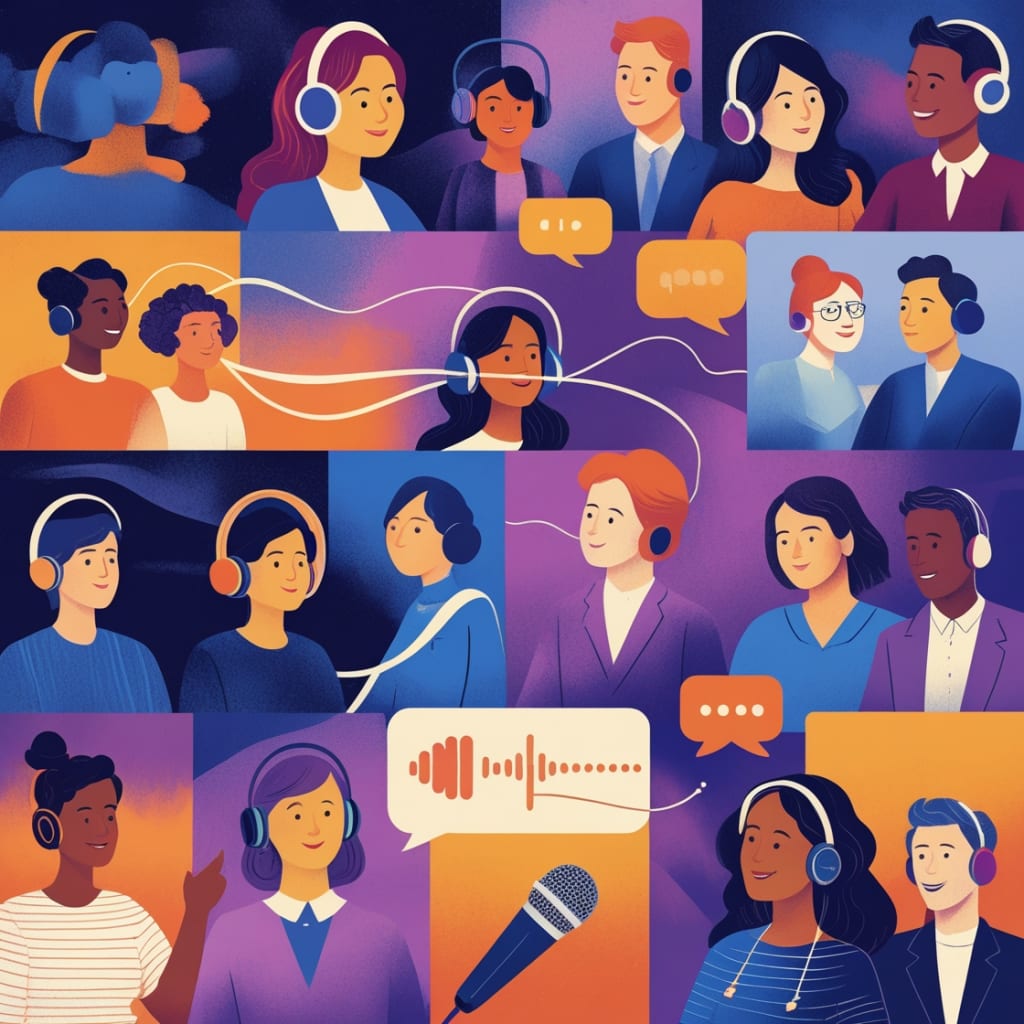
In today's fast-paced, digitally-driven world, human connection often feels strained by screens, short messages, and the absence of real-time emotional expression. While text-based communication dominates social media and messaging apps, vocal media—ranging from voice notes and podcasts to voice-based social platforms—is redefining how people interact and form relationships. The human voice carries emotion, intention, and personality that text alone cannot deliver. As voice-based platforms become more accessible and integrated into daily life, they are proving to be powerful tools in strengthening social bonds and creating a sense of belonging in the digital era.
The Rise of Vocal Media
Vocal media has evolved significantly over the past decade. Once limited to traditional formats like radio and phone calls, voice communication has now been reinvented for the digital age. With the rise of smartphones, social apps like WhatsApp and Telegram popularized voice messages as a casual, personal way to communicate. Simultaneously, the podcast industry exploded, offering millions of episodes across every topic imaginable—from mental health and personal storytelling to politics and pop culture. More recently, voice-based social platforms such as Clubhouse and Twitter Spaces have enabled real-time conversations among people across the globe, often between strangers, forming new kinds of communities.
This shift has been fueled by a desire for more authentic, human-centered communication. The voice is not just a tool for speaking—it’s a medium for connection. The tone, pace, and inflection in someone’s voice offer context, emotion, and nuance that are missing in written words.
Voice and Emotional Connection
One of the strongest arguments for the power of vocal media is its ability to foster emotional intimacy. Hearing someone’s voice, even through a device, creates a feeling of presence and immediacy. Unlike texting or emailing, voice messages allow individuals to convey subtle emotions—compassion, excitement, frustration, or sorrow—which are often misinterpreted or lost in text. For friends and loved ones separated by distance, a simple voice note can bring comfort in ways that typed messages cannot.
In long-distance relationships, for example, regular voice communication builds trust and closeness. Families with members working abroad or in different time zones rely on voice and video calls to stay emotionally connected. Even casual friendships are strengthened when people hear each other’s voices, fostering a deeper sense of empathy and understanding.
Creating Community Through Shared Voices
Beyond one-on-one relationships, vocal media is playing an important role in community-building. Podcasts have become a form of shared experience, where listeners often feel a personal bond with hosts. Many podcast fans describe their favorite shows as "friends in their ears." This parasocial interaction—where listeners feel close to media personalities—can lead to online and offline communities centered around shared values or interests.
Similarly, apps like Clubhouse have enabled people from around the world to gather in voice rooms, engaging in meaningful conversations, debates, and storytelling. These spaces have brought people together around topics like mental health, entrepreneurship, culture, and activism. For marginalized voices, vocal platforms offer a space to be heard and validated, contributing to a more inclusive digital society.
Voice-based platforms have also become safe spaces for those who struggle with social anxiety or disabilities. Unlike video calls, vocal media doesn’t require appearance-based presentation, making it easier for some users to engage without pressure. The format allows for both real-time dialogue and asynchronous communication, making it adaptable to different needs and preferences.
Challenges and Considerations
Despite its benefits, vocal media is not without challenges. One concern is accessibility—not everyone has access to high-speed internet, quality devices, or the privacy needed for vocal interactions. Additionally, people with speech impairments may find voice platforms less inclusive unless features like speech-to-text or alternative input methods are provided.
Another concern is privacy and consent. Voice messages and real-time conversations can be recorded, shared, or misused, raising questions about security and trust. As with any digital medium, users must be cautious about the personal information they share.
There's also the issue of digital fatigue. With so many communication channels available, some users feel overwhelmed. Vocal media, while personal, can also require more attention than skimming a text message—especially in noisy or busy environments.
The Future of Vocal Media and Human Connection
As technology advances, vocal media will likely become even more integrated into our lives. Voice recognition, natural language processing, and AI-generated voices are making communication faster and more personalized. Virtual assistants like Siri and Alexa are already helping users interact with digital systems through voice. Future applications might include emotionally intelligent voice tech capable of detecting a speaker’s mood and responding with empathy.
However, it’s important to ensure that these developments support human connection rather than replace it. Vocal media should continue to emphasize genuine, person-to-person interaction—offering platforms that nurture empathy, listening, and inclusion.
Conclusion
Vocal media is more than a convenience—it’s a bridge between technology and humanity. In a world increasingly shaped by digital communication, the human voice offers warmth, emotion, and authenticity that is often missing in text-based interactions. Whether through podcasts, voice messages, or live audio conversations, vocal media is playing a crucial role in shaping how people relate, support, and build communities. As we move forward, we must harness its power thoughtfully, ensuring it uplifts voices, deepens social bonds, and brings people closer in a digital age that often pulls us apart.
About the Creator
Wise~Guys
— Look Behind what's in Front of You ~ Make Good Choices — Hey, So how you Doin'..! Made~Men — Mobster Movies romanticise a distinctive, elegant appearance, impeccable attire style, along with the 'Families' expressive lingo. Making their 'Bones' gave them Panache — with vintage fedoras, tailored pin-striped suits, mirror-polished wing-tip shoes adorned with tassels; with their 'Gun Moll' gorgeous dates on their arms.
By Jay Kantor19 days ago in Families




Comments (1)
You're spot on about vocal media redefining interactions. I remember when voice messages on WhatsApp became a thing. It was so much more personal than typing. Podcasts, too, have been a game-changer. I've listened to some great ones while commuting. And those voice-based social platforms? They seem like a wild new frontier. How do you think they'll change the way we form groups and share ideas in the long run?