
The Science of Sleep”
The Science of Sleep: Understanding Why We Need It and How It Affects Us

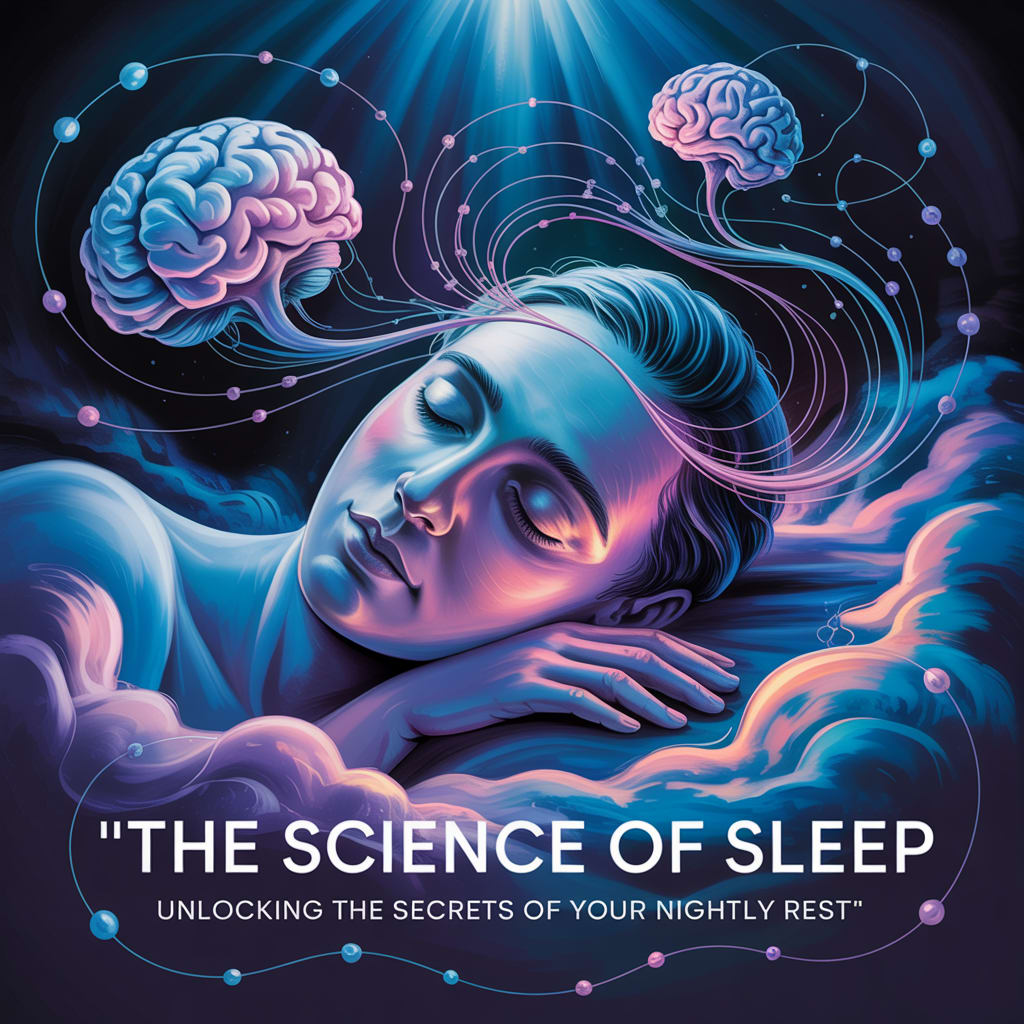
Sleep is one of the most essential functions for human survival, yet it remains a mysterious and complex process that scientists are still trying to fully understand. We spend about one-third of our lives sleeping, and it plays a crucial role in maintaining our physical health, emotional well-being, and cognitive functions. But what exactly happens when we sleep, why do we need it, and how does it affect our brains and bodies? Let’s dive into the fascinating science behind sleep.
What Happens When We Sleep?
Sleep is not simply a passive state where the body shuts down; it is an active process during which the brain and body undergo important changes and perform critical tasks. Sleep occurs in cycles, usually lasting about 90 minutes each, and consists of several stages:
Non-Rapid Eye Movement (NREM) Sleep: This stage is divided into three parts, ranging from light sleep to deep sleep. During NREM sleep, the body slows down — heart rate decreases, muscles relax, and the brain waves become slower. Deep NREM sleep, also called slow-wave sleep, is when the body focuses on repairing tissues, building bone and muscle, and strengthening the immune system.
Rapid Eye Movement (REM) Sleep: This stage is characterized by rapid movement of the eyes, increased brain activity similar to being awake, and vivid dreaming. REM sleep plays a vital role in memory consolidation, emotional processing, and brain development.
Our sleep cycles repeat several times throughout the night, alternating between NREM and REM stages. This cycling is crucial for overall health and well-being.
Why Do We Need Sleep?
Scientists have proposed several theories to explain why sleep is necessary:
Restoration and Repair: Sleep allows the body to repair muscle tissue, produce hormones, and strengthen the immune system. Without enough sleep, the body’s ability to heal and defend itself weakens.
Brain Function and Memory: During sleep, the brain processes and consolidates memories, making it easier to learn and recall information. REM sleep, in particular, is important for organizing new knowledge and emotional regulation.
Energy Conservation: Sleep helps conserve energy by lowering the body’s metabolism and temperature. This energy-saving function may have been critical in early human evolution when food was scarce.
Detoxification of the Brain: Recent research shows that during sleep, the brain’s glymphatic system becomes more active, flushing out toxins that accumulate during waking hours. This detoxification may help prevent neurodegenerative diseases like Alzheimer’s.
Effects of Sleep Deprivation
Lack of sufficient sleep can have immediate and long-term consequences. Short-term effects include difficulty concentrating, mood swings, weakened immune response, and slower reaction times. Chronic sleep deprivation is linked to serious health problems such as obesity, diabetes, heart disease, and depression.
In fact, studies have shown that people who consistently sleep fewer than 6 hours per night are at higher risk for developing these conditions. Sleep deprivation also impairs cognitive functions like judgment and decision-making, increasing the risk of accidents.
How Much Sleep Do We Need?
Sleep requirements vary by age and individual differences. The National Sleep Foundation recommends:
Newborns (0-3 months): 14-17 hours
Infants (4-11 months): 12-15 hours
Toddlers (1-2 years): 11-14 hours
Children (3-5 years): 10-13 hours
Teenagers (14-17 years): 8-10 hours
Adults (18-64 years): 7-9 hours
Older adults (65+ years): 7-8 hours
Getting the right amount of sleep is essential for maintaining health and peak performance.
Tips for Better Sleep
If you struggle with sleep, here are some tips that can help improve sleep quality:
Maintain a consistent sleep schedule: Go to bed and wake up at the same time every day.
Create a relaxing bedtime routine: Avoid screens and bright lights before sleeping; try reading or meditating.
Limit caffeine and heavy meals before bedtime.
Keep your bedroom cool, dark, and quiet.
Exercise regularly, but not too close to bedtime.
The Future of Sleep Science
Scientists continue to explore sleep’s mysteries using advanced brain imaging and genetic research. Understanding how sleep affects health could lead to new treatments for sleep disorders, mental health issues, and chronic diseases. Innovations such as wearable sleep trackers are helping individuals monitor and improve their sleep habits.
Sleep is a fascinating biological process that impacts every aspect of our lives. By prioritizing good sleep hygiene and understanding its importance, we can unlock better health, sharper minds, and a happier life.
Hey, Thanks for reading if you intrested to this story follow me.
About the Creator
My First Time Skiing and I Got Lost, Alone, in the French Alps
Looking back, I can trace some of my life’s biggest adventures to a simple action from my sister. She’d introduced me to Tommy (a very long time ago), a colleague of hers, who had overshared his penchant for Italian-looking women, and I ticked that box.
By Chantal Christie Weissabout 19 hours ago in Humans
The System That Never Lets Anyone Rest
It has no headquarters, no official leader, and no clearly written rules. Yet it organizes behavior across entire societies. It shapes how people measure their worth, how they spend their time, and how they decide whether their lives are successful.
By Navigating the World3 days ago in Humans


Comments
There are no comments for this story
Be the first to respond and start the conversation.