
Title: The Illuminating Essence of Al-Fatiha: Unveiling the Profound Meaning of the First Chapter of the Quran
Essential in prayer

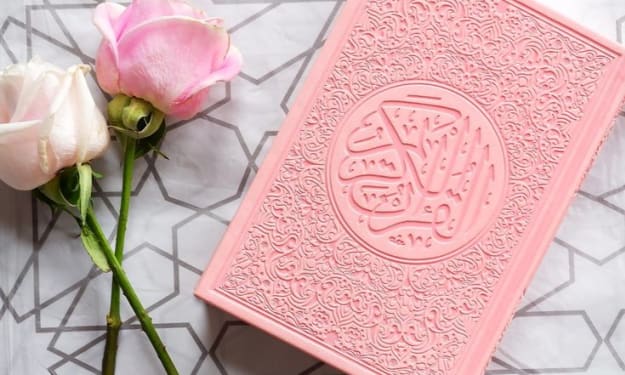
The Quran, revered as the holy scripture of Islam, is a source of guidance, wisdom, and spiritual nourishment for millions around the world. At the heart of this sacred text lies Al-Fatiha, the opening chapter and an essential cornerstone of Islamic worship. Understanding the profound meaning behind this chapter unveils a rich tapestry of spiritual depth and universal relevance.
Al-Fatiha, also known as "The Opening" or "The Opener," is composed of seven verses and holds a unique position in Islamic prayer. It is recited in every unit of the Muslim prayer (Salah), emphasizing its significance in the daily lives of believers. The chapter serves as a prelude to the entire Quran, encapsulating the fundamental themes and values that permeate the Islamic faith.
The first verse of Al-Fatiha begins with the phrase "Bismillahir Rahmanir Rahim," which translates to "In the name of Allah, the Most Gracious, the Most Merciful." This opening invocation establishes a connection with the divine, reminding believers of Allah's benevolence and mercy. It sets the tone for a prayerful and humble engagement with the sacred text that follows.
The subsequent verses of Al-Fatiha delve into the essence of monotheism, expressing the oneness of Allah and acknowledging His sovereignty. The second verse asserts, "Praise be to Allah, the Lord of all the worlds," emphasizing the encompassing nature of Allah's dominion over the entire universe. This acknowledgment of Allah as the Lord of all creation fosters a sense of unity and interconnectedness among believers.
The third verse seeks guidance, imploring Allah with the words, "The Most Gracious, the Most Merciful, Master of the Day of Judgment." Here, believers seek not only Allah's mercy but also His guidance and justice, recognizing the ultimate accountability that awaits all souls in the Hereafter. This verse serves as a poignant reminder of the transient nature of life and the importance of leading a righteous and purposeful existence.
The fourth and fifth verses of Al-Fatiha focus on the path of righteousness. Believers express their desire for guidance along the straight path, avoiding the pitfalls of deviation and moral decay. This plea for guidance encapsulates the core of Islamic ethics and morality, encouraging believers to uphold righteousness, justice, and compassion in their daily lives.
The sixth verse acknowledges the guidance bestowed upon previous prophets, symbolizing the continuity of divine wisdom throughout history. By mentioning figures like Moses and Jesus, Al-Fatiha reinforces the belief in the interconnectedness of the Abrahamic faiths and underscores the universality of divine guidance.
The concluding verse, "You alone we worship, and You alone we ask for help," encapsulates the essence of servitude and dependency on Allah. It reinforces the idea that true worship involves surrendering to the divine will and seeking Allah's assistance in every aspect of life. This acknowledgment of reliance on Allah fosters humility, gratitude, and a profound sense of purpose among believers.
In summary, the first chapter of the Quran, Al-Fatiha, serves as a comprehensive guide for believers, encompassing themes of monotheism, guidance, accountability, righteousness, and humility. Its verses encapsulate the essence of Islamic spirituality and provide a roadmap for leading a purposeful and virtuous life. Through its timeless wisdom, Al-Fatiha continues to inspire and guide millions of Muslims on their spiritual journey, offering a profound connection with the divine and a blueprint for a life steeped in faith and righteousness.
About the Creator
Keep reading
More stories from Jamruth Niza and writers in Families and other communities.
Title: The Quran: A Divine Guide to Life and Wisdom
Introduction: The Quran, the holy scripture of Islam, holds a central and revered position in the lives of over a billion Muslims worldwide. Often referred to as the "Words of God," the Quran is a comprehensive guide that addresses various aspects of life, spirituality, and morality. Its profound teachings have not only shaped the Islamic faith but have also influenced cultures, societies, and individuals across the globe.
By Jamruth Niza2 years ago in Humans
Wise~Guys
— Look Behind what's in Front of You ~ Make Good Choices — Hey, So how you Doin'..! Made~Men — Mobster Movies romanticise a distinctive, elegant appearance, impeccable attire style, along with the 'Families' expressive lingo. Making their 'Bones' gave them Panache — with vintage fedoras, tailored pin-striped suits, mirror-polished wing-tip shoes adorned with tassels; with their 'Gun Moll' gorgeous dates on their arms.
By Jay Kantor20 days ago in Families



Comments
There are no comments for this story
Be the first to respond and start the conversation.