
The Ultimate Guide to Choosing Vinyl Flooring for Your Home or Business
A Step-by-Step Guide to Selecting the Perfect Vinyl Flooring for Your Needs
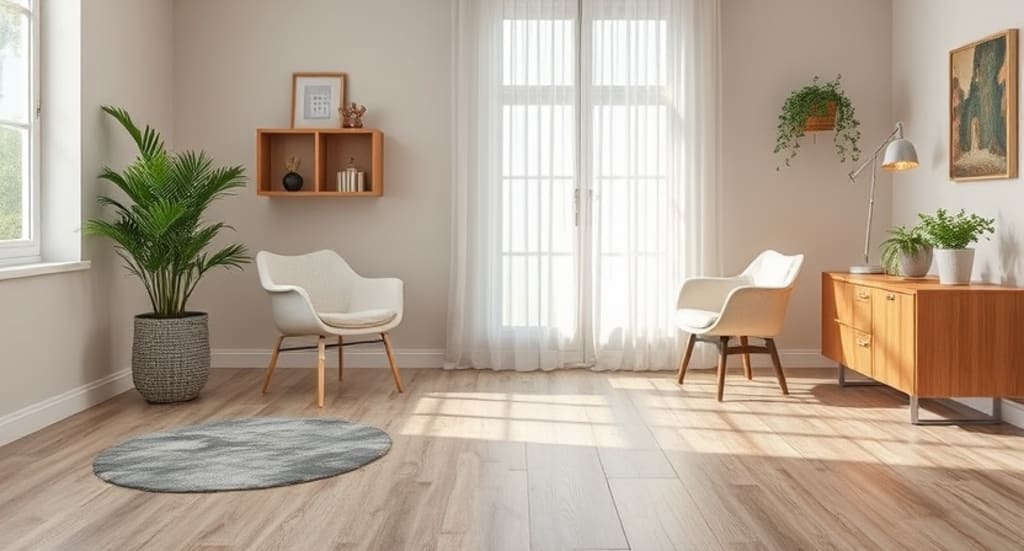
When it comes to flooring, there are many options available, but few offer the blend of affordability, durability, and aesthetic appeal that vinyl flooring does. Whether you’re remodeling a home, designing a commercial space, or updating a high-traffic area, vinyl flooring can deliver both style and performance. Among the most popular choices in the vinyl flooring category are Luxury Vinyl Plank (LVP) and Luxury Vinyl Tile (LVT). These two flooring options have become the go-to solution for homeowners, businesses, and interior designers looking for cost-effective, low-maintenance, and visually stunning floors.
In this comprehensive guide, we’ll explore everything you need to know about vinyl flooring, including the key differences between vinyl plank and vinyl tile, how to choose the best option for your project, and how to maintain your vinyl floors so they look great for years to come.
What Is Vinyl Flooring?
Vinyl flooring is made from synthetic materials, primarily polyvinyl chloride (PVC), and has evolved over the years to offer a wide range of options in terms of design, texture, and finish. It is known for its resilience, water resistance, and versatility, making it an excellent choice for spaces that experience high foot traffic, moisture, or temperature fluctuations.
Vinyl flooring can mimic the look of natural materials like wood, stone, and ceramic tiles. This aesthetic flexibility allows you to achieve the look you want, whether you’re interested in the warmth of hardwood or the elegance of marble, at a fraction of the cost.
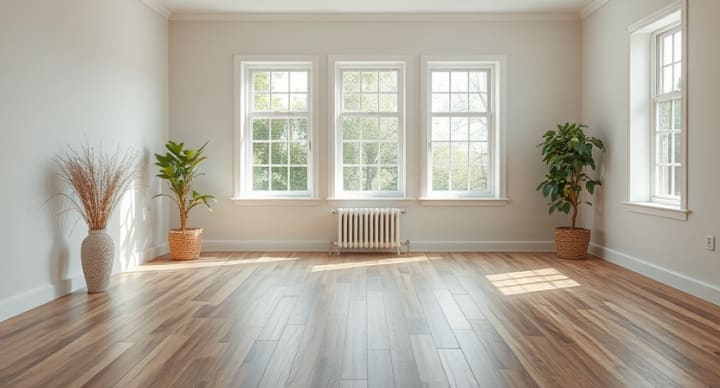
Luxury Vinyl Plank (LVP): The Look of Hardwood, The Benefits of Vinyl
Luxury Vinyl Plank (LVP) flooring is designed to replicate hardwood floors, providing the visual appeal of wood without the high cost and maintenance required by traditional hardwood. The planks are available in various sizes and finishes to mimic a wide range of wood species such as oak, hickory, maple, and walnut.
Key Benefits of LVP Flooring:
- Affordable Luxury: LVP is an affordable alternative to hardwood floors. It offers the same aesthetic appeal without the high price tag and maintenance demands.
- Durability: LVP is highly durable and resistant to scratches, dents, and moisture. This makes it perfect for homes with pets, children, or areas prone to spills, such as kitchens and bathrooms.
- Water Resistance: LVP is well-suited for areas with high moisture levels. Its water-resistant properties allow it to handle spills, humidity, and even direct water exposure without swelling or warping.
- Easy Installation: Many LVP options come with a click-lock installation system, making it easy for DIY enthusiasts to install the flooring without professional help.
- Low Maintenance: Regular sweeping or vacuuming and the occasional mopping with a mild cleaner are all that’s required to keep your LVP floors looking great.
Potential Drawbacks of LVP Flooring:
- Susceptibility to Damage: LVP can be scratched or dented if heavy furniture is dragged across the floor. Protective furniture pads can help minimize this risk.
- Sunlight Exposure: Extended exposure to direct sunlight can cause LVP to fade over time. Consider using window coverings or rugs to protect the floor from UV damage.
Luxury Vinyl Tile (LVT): A Touch of Elegance with Practical Benefits
Luxury Vinyl Tile (LVT) offers the same advantages as LVP, but it is designed to replicate the look of stone, ceramic, or porcelain tiles. This makes LVT an excellent choice for spaces that need a more classic or sophisticated aesthetic.
Key Benefits of LVT Flooring:
- Aesthetic Variety: LVT comes in a variety of styles and finishes that mimic natural materials such as marble, slate, and granite. It offers a sophisticated, elegant look at a fraction of the cost of real stone or ceramic tile.
- Water and Scratch Resistance: Like LVP, LVT is highly water-resistant and durable, making it an excellent choice for bathrooms, kitchens, and other moisture-prone areas.
- Comfort Underfoot: Unlike stone and ceramic tiles, LVT is softer and warmer, making it more comfortable to walk on, especially in spaces where you may be standing for long periods.
- Easy Maintenance: LVT is just as easy to maintain as LVP. Regular sweeping and occasional mopping with a mild cleaner are all that’s needed to keep your LVT floors in top condition.
- Customization: LVT allows for more customization in terms of patterns and layouts. Whether you prefer a traditional tile arrangement or want to get creative with your floor design, LVT offers great flexibility.
Potential Drawbacks of LVT Flooring:
- Harder to Repair: If a tile is damaged, it can be more difficult to repair or replace than LVP planks. However, because of its durability, repairs are typically rare.
- Installation Complexity: While LVT is generally easy to install, achieving custom or intricate tile patterns may require more expertise and experience.
LVP vs. LVT: Which One is Right for Your Project?
Choosing between LVP and LVT depends on your aesthetic preferences, functional needs, and the specific requirements of your space. Here’s a breakdown of the key differences:
Appearance:
- LVP offers the warm, natural look of wood and is ideal for those looking to replicate the look of hardwood floors without the cost and maintenance.
- LVT offers the sophisticated look of stone, ceramic, or porcelain tiles, making it perfect for spaces that require a more elegant or contemporary design.
Installation:
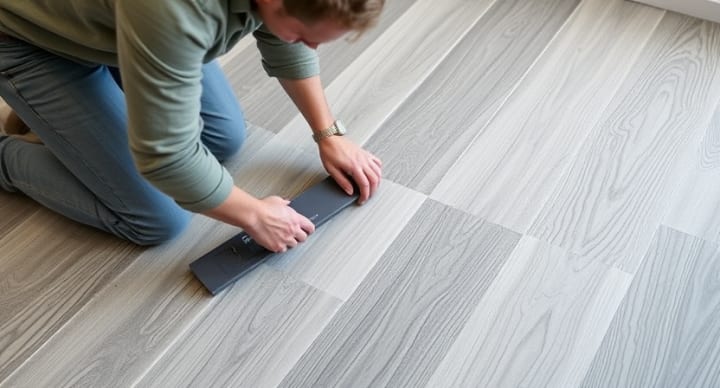
- LVP is generally easier to install, especially for DIY projects. The click-lock installation system is straightforward and doesn’t require glue or nails.
- LVT can be a bit more complex to install, particularly when creating custom designs. However, for standard installations, LVT is just as easy to work with as LVP.
Durability:
- Both LVP and LVT are highly durable and water-resistant, but LVP is generally more resilient to impacts and wear and tear, making it better for high-traffic areas.
Comfort:
- LVP is softer underfoot compared to LVT, which may be more comfortable in spaces like bedrooms or living rooms.
- LVT, while still softer than real stone or ceramic, can feel harder and colder underfoot, which may be a consideration for certain spaces.
Price:
- LVP is usually more affordable than LVT, making it a better option for those on a budget.
- LVT tends to be more expensive due to its aesthetic appeal, especially for high-end designs that replicate expensive materials like marble or slate.
Maintenance:
- Both LVP and LVT are easy to maintain with regular sweeping and occasional mopping. However, LVP may have the edge in terms of cleaning, especially in busy areas.
Why Choose Vinyl Flooring for Your Space?
Vinyl flooring, whether in plank or tile form, offers a host of benefits that make it an ideal choice for a variety of spaces. Here’s why vinyl flooring could be the right option for your home or business:
- Affordability: Compared to hardwood, stone, or ceramic, vinyl flooring is much more budget-friendly while still providing an aesthetically pleasing result.
- Durability: Vinyl flooring is designed to withstand high foot traffic, moisture, and wear and tear, making it perfect for both residential and commercial spaces.
- Water Resistance: Whether in the kitchen, bathroom, or basement, vinyl flooring holds up well against water, making it a great choice for moisture-prone areas.
- Ease of Maintenance: With minimal upkeep required, vinyl flooring is incredibly easy to maintain, making it a practical choice for busy households or businesses.
Conclusion: Choosing the Right Vinyl Flooring for Your Project
Whether you're upgrading your home or outfitting a commercial space, vinyl flooring provides the perfect balance of beauty, durability, and affordability. Both LVP and LVT offer unique advantages, so choosing the right option will depend on your design preferences, budget, and the function of the space.
For those seeking the warmth and natural appeal of wood, LVP is the ideal solution. If you're looking for the elegance and sophistication of stone or ceramic, LVT may be the perfect fit.
No matter which option you choose, vinyl flooring is sure to enhance your space, combining timeless beauty with exceptional durability and easy maintenance. With a wide range of designs, textures, and finishes available, vinyl flooring is a versatile and cost-effective solution for any project.
About the Creator
Keep reading
More stories from Flooring Tips and writers in Families and other communities.
DIY Tile Installation vs. Professional Services: Which Is Right for You?
Renovating or upgrading your home is an exciting project, and one of the most impactful ways to transform any space is through tile installation. Whether you’re updating your bathroom, kitchen, or flooring, tiles offer a durable and stylish solution. But when it comes to installation, you may find yourself asking: Should I tackle this project myself, or hire a professional?
By Flooring Tips11 months ago in Families
Wise~Guys
— Look Behind what's in Front of You ~ Make Good Choices — Hey, So how you Doin'..! Made~Men — Mobster Movies romanticise a distinctive, elegant appearance, impeccable attire style, along with the 'Families' expressive lingo. Making their 'Bones' gave them Panache — with vintage fedoras, tailored pin-striped suits, mirror-polished wing-tip shoes adorned with tassels; with their 'Gun Moll' gorgeous dates on their arms.
By Jay Kantor20 days ago in Families
Silver Screen Magic with Mae West
American actress and singer Mae West became a popular film actress during the Great Depression. She started entertaining in vaudeville, then performed on Broadway, and finally went to Hollywood. She signed up with Paramount Pictures and made her debut in the 1932 film “Night After Night.” She also starred in musicals, comedies, and crime dramas. The American Film Institute named her one of the best classic Hollywood actresses.
By Rasma Raisters7 days ago in Geeks




Comments
There are no comments for this story
Be the first to respond and start the conversation.