
The Science of Storytelling for Kids: How Personalized Storybooks Boost Reading Skills and Emotional Growth
Discover how personalized storytelling nurtures imagination, strengthens literacy, and helps children build emotional intelligence backed by science.
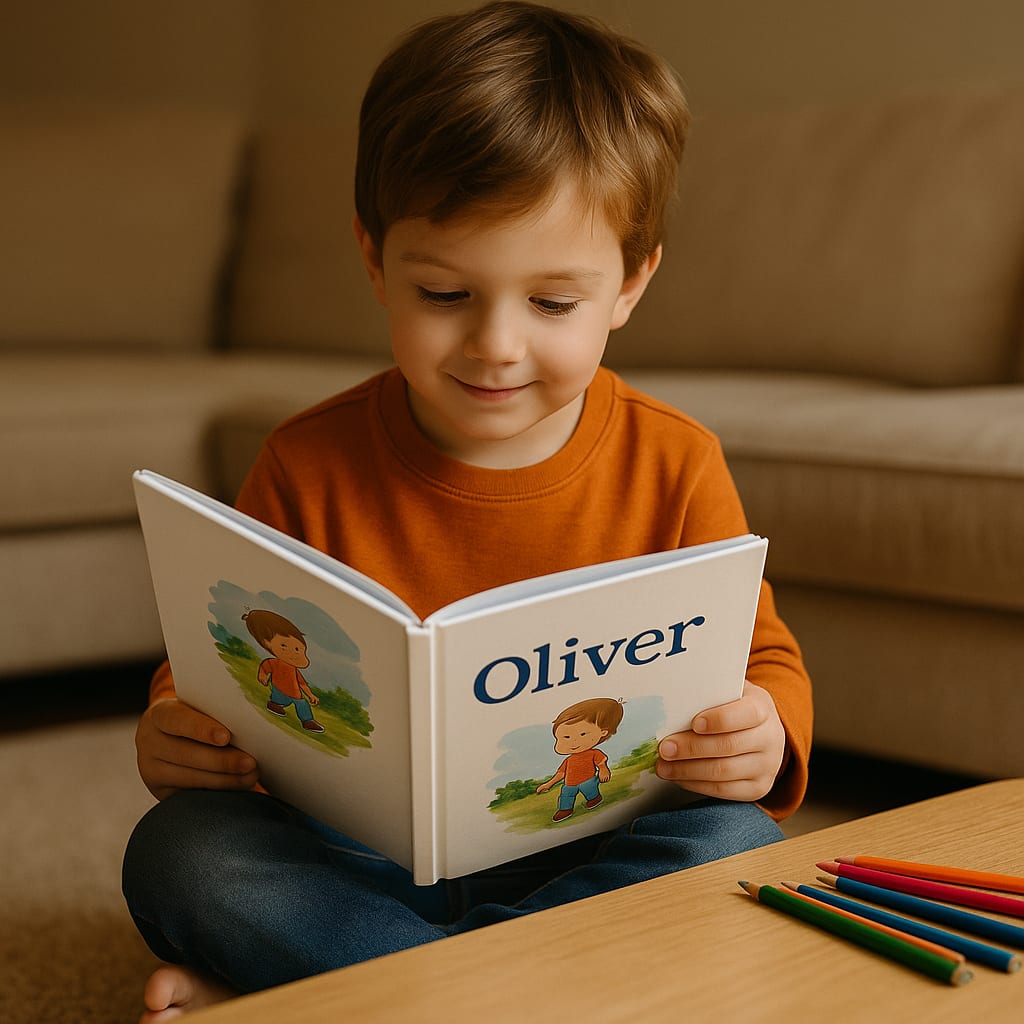
Every child loves a good story. Whether it’s whispered at bedtime or read aloud in a cozy corner, storytelling does something magical. It draws children into new worlds, helps them understand emotions, and lays the foundation for how they think, read, and connect with others. But there’s more to it than imagination alone. Science shows that storytelling plays a crucial role in developing a child’s brain, especially when those stories are personalized.
As an educator, I’ve seen firsthand how a child’s attention deepens the moment a story reflects their own world. When children see themselves as the main characters, their reading comprehension improves, and their sense of identity grows stronger. Personalized narratives, made easier through modern storytelling tools, are reshaping how parents and educators encourage young minds to read and learn. Let’s explore what makes storytelling such a powerful educational tool and why personalization makes it even more effective.
Why Storytelling Is So Powerful in Early Childhood
Storytelling is one of the oldest and most natural ways humans learn. For children, this learning process happens at a neurological level. When a child listens to a story, their brain doesn’t just hear words—it experiences them.
According to researchers at Harvard’s Center on the Developing Child, stories activate multiple parts of the brain simultaneously, including those responsible for language, emotions, and sensory processing. This means that when a child hears a story about feeling scared or showing kindness, their brain reacts as though they are living that experience. These mental “simulations” build stronger connections between language and emotion, helping with memory, comprehension, and empathy.
Storytelling also introduces structure and sequencing, which are essential for cognitive growth. Every story has a beginning, middle, and end. Children unconsciously absorb how events unfold, learning how to organize their thoughts and predict outcomes—skills that directly support reading and writing development later on.
Most importantly, stories connect children emotionally. They help young listeners process complex feelings like fear, excitement, or disappointment in a safe space. When told regularly, stories become a comforting ritual that strengthens bonds between children and their caregivers, which in turn supports emotional security and social development.
The Neuroscience Behind Personalized Narratives
Personalized storytelling takes this natural learning process a critical step further. When a child becomes the hero of their own story—seeing their name, their friends, or their favorite teddy bear appear in the narrative—their engagement skyrockets.
Psychologists call this the “self-reference effect.” It’s the phenomenon where people remember information better when it relates directly to them. For a child, that means when they read or hear a story where they are the main character (for example, "Luna and her mischievous robot dog save the day"), their brain prioritizes that experience, storing the information more deeply.
A study published in Frontiers in Psychology found that personalization increases children’s motivation to read and improves vocabulary retention. It turns reading into a participatory experience, not just passive consumption. The story becomes “theirs,” and that emotional ownership is one of the most powerful motivators in early education.
Personalized narratives also nurture confidence. When a child reads about themselves solving problems, being kind, or overcoming a fear, they internalize those traits. It subtly shapes their sense of self and helps them imagine positive outcomes in real life. In this way, personalized storytelling is more than entertainment—it’s a mirror that reflects potential and agency.
How Personalized Stories Improve Literacy Skills
Learning to read isn’t only about recognizing words—it’s about connecting them to meaning. Personalized books make that connection stronger because children relate to the story content instinctively.
When kids see familiar names or places, it anchors new words in an emotional and cognitive context. This helps with word recognition, comprehension, and memory. Research by the National Literacy Trust shows that children who read stories featuring characters like themselves are more likely to enjoy reading and read more often.
Parents often notice improvements in focus and vocabulary when using personalized stories. Because the child cares deeply about the character—who is essentially them—they pay closer attention. That focused attention leads to better decoding skills and more fluent reading over time.
Reading personalized stories aloud together creates another layer of learning. When parents emphasize certain words, pause for reactions, or ask simple questions, they reinforce language rhythm and meaning. These shared moments don’t just teach reading—they nurture communication and connection.
Storytelling and Emotional Growth
Every story has emotion at its core, and personalized ones make those emotions more meaningful. When children read about themselves navigating challenges, making friends, or feeling nervous before school, they learn to label and understand those complex feelings.
This emotional recognition is key to empathy and self-awareness. The American Psychological Association (APA) highlights storytelling as a powerful tool for emotional literacy because it helps children identify feelings in themselves and others. Personalized stories create a safe space for children to process these experiences and develop a nuanced understanding of their inner world.
They also model emotional resilience. If a child reads a story where “they” overcome a fear or help a friend, it reinforces positive coping strategies. Over time, storytelling becomes not just a learning activity but a gentle form of emotional coaching.
Practical Ways Parents Can Use Personalized Storytelling
Bringing personalized storytelling into your home doesn’t require advanced tools or training. It starts with intention and creativity.
Parents can make up simple bedtime stories where their child is the hero, or use various digital storytelling platforms to craft beautifully illustrated books with their child’s name and interests woven in. Choose themes that reflect your child’s world—starting school, meeting new friends, or exploring imaginary places.
Read together often and make it interactive. Pause to ask what your child thinks will happen next or how they would feel in the same situation. Encourage them to help tell the story, too. These small steps make storytelling a shared experience that builds confidence, empathy, and curiosity.
Over time, the goal isn’t just to raise good readers—it’s to raise thoughtful, emotionally aware individuals who love learning.
The Future of Storytelling and Child Development
Technology is reshaping how families experience stories, but the heart of storytelling remains the same. Personalized AI-driven story tools are helping parents make reading more engaging, but the emotional connection still depends on human interaction.
The future likely holds even more immersive and adaptive storytelling experiences, but no algorithm can replace the warmth of a parent’s voice or the spark of a child’s imagination. The real science of storytelling lies in connection—in how words, emotions, and relationships work together to shape the developing mind.
Conclusion: Stories That Shape the Heart and Mind
Storytelling isn’t just an art, it’s a form of early education grounded in neuroscience and psychology. When children are part of their own stories, reading becomes more than a skill—it becomes a source of joy and self-discovery.
Personalized storybooks blend imagination with science, offering a way to nurture literacy and emotional growth at the same time. Whether it’s through classic tales or modern adaptive technology, every story you share with a child plants a seed for a lifetime of empathy, curiosity, and confidence
About the Creator
Keep reading
More stories from Rohit Mishra and writers in Families and other communities.
The Definitive Muay Thai Shorts Buying Guide (For Australian Fighters)
In Muay Thai, every strike, clinch, and kick reflects precision, power, and heritage. For fighters in Australia, choosing the right pair of Muay Thai shorts is not just about style. It is about comfort, movement, and confidence inside the gym or ring.
By Rohit Mishra3 months ago in Lifehack
Wise~Guys
— Look Behind what's in Front of You ~ Make Good Choices — Hey, So how you Doin'..! Made~Men — Mobster Movies romanticise a distinctive, elegant appearance, impeccable attire style, along with the 'Families' expressive lingo. Making their 'Bones' gave them Panache — with vintage fedoras, tailored pin-striped suits, mirror-polished wing-tip shoes adorned with tassels; with their 'Gun Moll' gorgeous dates on their arms.
By Jay Kantor19 days ago in Families




Comments
There are no comments for this story
Be the first to respond and start the conversation.