
The Nuances of Elderly Care
Balancing Compassion and Challenges in the Journey of Care


Elderly care is a topic that resonates deeply with me, mainly because of my grandmother, Viola. A woman of immense grace and wit, she was the cornerstone of our family. Her vibrant spirit remained undiminished as she aged, but her physical capabilities began to wane. My family found ourselves navigating the complex and emotional journey of ensuring she received the care she needed, all the while honoring her independence and zest for life. This experience, both challenging and enriching, has led me to reflect on the broader aspects of elderly care, its implications, and how we can approach it with dignity, compassion, and respect.
Caring for older people is an act of love and respect that transcends cultures and generations. It reflects our societal values and indicates the compassion we hold for those who have paved the way before us. However, it's also fraught with emotional and logistical challenges that can test the resilience of families and caregivers. From navigating healthcare decisions to ensuring daily comfort and companionship, elderly care is a multifaceted responsibility that requires patience, understanding, and, above all, a deep sense of empathy.
One of the first hurdles many families encounter is accepting the transition into a caregiving role. Acknowledging that Viola needed more support than we could provide alone was pivotal for my family. It meant redefining our relationships and routines to prioritize her well-being. This shift, while necessary, had its challenges. It involved open, sometimes brutal, conversations about her health, her wishes, and the practicalities of care that would respect her autonomy while ensuring her safety.
The emotional dynamics of elderly care are complex. Watching a loved one age can evoke a multitude of feelings, from fond nostalgia for shared memories to the pain of witnessing their decline. It's a stark reminder of the fragility of life, pushing us to cherish the moments we have while confronting the inevitabilities of time. In caring for Viola, we found laughter in old stories, solace in quiet companionship, and strength in our shared love. These emotional undercurrents are what make elderly care profoundly meaningful.
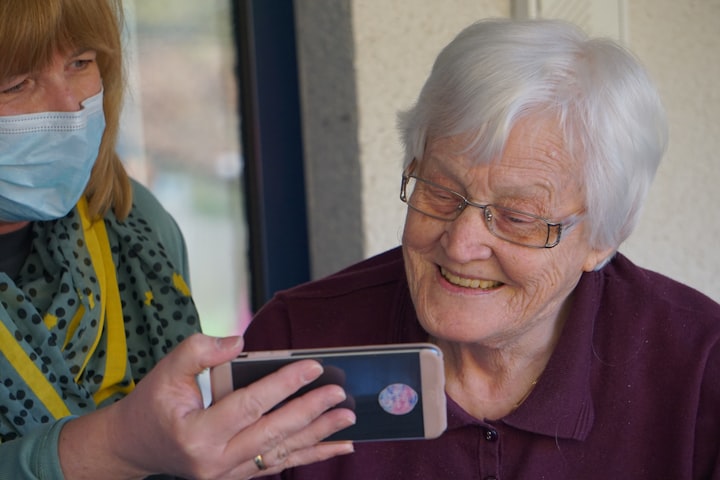
Practically speaking, elderly care demands a holistic approach that considers the physical, mental, and emotional needs of the individual. Innovations in technology and healthcare have vastly improved the quality of life for many seniors, offering solutions that range from telemedicine consultations to assistive devices that promote independence. Yet, the essence of care lies in the human touch – the warmth of a handhold, the reassurance of a familiar face, and the comfort of a listening ear.
The landscape of elderly care is also shaped by broader societal issues, including healthcare accessibility and the socioeconomic disparities that can dictate the quality of care one receives. Advocacy for equitable care solutions and policy reforms is crucial in addressing these disparities, ensuring that dignity in aging is a universal right, not a privilege. Reflecting on our journey with Viola, it's clear that our experiences were shaped by the resources and support systems available to us, highlighting the importance of collective action in fostering a more inclusive approach to elderly care.
Furthermore, elderly care extends beyond the confines of health services and into community and connection. Social isolation can be a significant concern for older people, impacting their mental and emotional well-being. Community initiatives, volunteer programs, and intergenerational engagement can play vital roles in enriching the lives of seniors, offering them avenues for social interaction, lifelong learning, and active participation in society. Witnessing the joy these connections brought to Evelyn emphasized the value of community as an integral part of elderly care.
The journey of caring for an elderly loved one is deeply personal, yet it reflects universal themes of love, loss, and the passage of time. It challenges us to confront our vulnerabilities and strengths, to practice kindness and patience, and to appreciate the profound connections that shape our lives. As I reflect on the time spent with my grandmother, I am reminded of the fragility of life and the strength of the human spirit. In caring for her, we provided her with the support she needed and learned invaluable lessons about compassion, resilience, and the enduring power of family.
Elderly care is more than a responsibility; it's a journey that offers growth, reflection, and connection opportunities. It's a testament to the cycles of life, inviting us to honor those who have walked the path before us with dignity and love. As we navigate this complex landscape, let us do so with empathy, innovation, and a commitment to ensuring that every individual can age with grace and dignity. Ultimately, the essence of elderly care lies not in its challenges but in its profound impact on the hearts and lives of all involved.
About the Creator
Suzette Roberts
Welcome to my blog—a fusion of innovation, education, and inspiration. I am Suzette Roberts, the driving force behind this blog.
Welcome aboard!
Keep reading
More stories from Suzette Roberts and writers in Families and other communities.
Innovative Approaches to Elderly Care
In elderly care, innovation is not just a buzzword; it's a beacon of hope, a promise of better days for our loved ones as they age. My journey into understanding and appreciating the innovative approaches to elderly care began with my grandfather, Martin. A man who had always been ahead of his time, embracing technology with an enthusiasm rare for his generation, Martin's later years were marked by a decline that seemed to pull him away from the future he had always raced towards. During this period, our family discovered the power of cutting-edge technologies and methodologies in elderly care, transforming not just Martin's life but our perspectives on what it means to provide care in the 21st century.
By Suzette Roberts2 years ago in Families
Wise~Guys
— Look Behind what's in Front of You ~ Make Good Choices — Hey, So how you Doin'..! Made~Men — Mobster Movies romanticise a distinctive, elegant appearance, impeccable attire style, along with the 'Families' expressive lingo. Making their 'Bones' gave them Panache — with vintage fedoras, tailored pin-striped suits, mirror-polished wing-tip shoes adorned with tassels; with their 'Gun Moll' gorgeous dates on their arms.
By Jay Kantor16 days ago in Families
Home Through the Winter Rain
Winter arrived gently that year, not with snowstorms or icy winds, but with steady rain that seemed to fall without end. The sky was a soft gray, heavy and calm, and the air smelled of wet roads and cold earth. On one such evening, a small family climbed into their own car, ready to begin the familiar drive home. The engine started with a low, comforting sound. The headlights cut through the mist, glowing warmly against the rain. The parents sat in the front seats, wrapped in thick coats, their breaths forming faint clouds before the heater slowly warmed the air. The mother adjusted the mirror, smiling softly as she glanced back at the children. The father rested his hands on the steering wheel, careful and steady, already focused on the road ahead. In the back seat, the children were bundled together like little birds hiding from the cold. Their jackets were bright against the dark interior of the car, and their shoes were still damp from puddles they had jumped in earlier that day. One child hugged a stuffed bear tightly, its fur worn soft from years of love. Another leaned close to the window, watching the raindrops slide down the glass in twisting paths. “Look,” one of them whispered, tracing a finger along the foggy window. “That one is winning.” The rain seemed alive outside, each drop racing the others, merging and separating, disappearing at the bottom of the glass. Streetlights reflected in the wet road, stretching into long golden lines that shimmered and broke apart as the car moved forward. The heater clicked louder now, filling the car with warmth. Slowly, gloves were pulled off, scarves loosened. The tight cold of winter faded into something soft and safe. The radio played quietly in the background—an old song the parents knew by heart. They didn’t sing out loud, but their heads moved gently to the rhythm. As the car traveled through the rain, the father slowed at each turn, careful not to rush. Tires whispered against the wet road. The mother pointed out familiar places as they passed—a closed bakery, a dark park, a row of houses glowing faintly from inside. Everything looked different in the rain, quieter, calmer, as if the world itself was resting. The children grew sleepy, their earlier excitement fading into peaceful silence. One rested their head against the other’s shoulder. The stuffed bear slipped onto the seat between them. Outside, the rain tapped steadily on the roof, a soft rhythm like a lullaby. “Do you remember,” the mother said gently, “when we used to drive like this before you were born?” The father smiled. “Long drives. Late nights. Just us and the road.” “And now,” she said, glancing back again, “we’re all here.” The children didn’t fully hear the words, but they felt their meaning. They felt it in the warmth of the car, in the way the parents’ voices sounded calm and close, in the steady movement carrying them safely forward. The road curved toward the edge of town. Trees stood bare, their branches dark and shining with rain. Water pooled along the sides of the street, reflecting the passing lights like tiny mirrors. Somewhere far away, a dog barked once, then fell silent again. One child stirred and yawned. “Are we almost home?” “Soon,” the father answered softly. That word—home—settled into the car like another blanket. Home meant dry clothes and warm soup. It meant lights in the windows and shoes left by the door. It meant safety from the cold rain and the long gray sky. As they drove, the rain began to slow. The drops grew smaller, lighter, until they were more like a mist. The clouds above thinned just enough to let a pale glow through, not quite moonlight, but something close. The world felt gentler somehow, as if winter itself had decided to be kind. The car turned onto a quiet street. Houses lined the road, each one familiar, each one holding its own small stories. The father parked slowly, switching off the engine. Suddenly, the world felt very still. The rain whispered one last time, then faded into silence. The children woke fully now, blinking and stretching. Coats were zipped, hats pulled on. The mother gathered the stuffed bear and handed it back with a smile. The father stepped out first, opening the door and letting in a breath of cool winter air. They walked together toward their house, shoes splashing softly in shallow puddles. The porch light glowed warmly, welcoming them home. Inside, the house smelled faintly of dinner and clean air. The door closed behind them, shutting out the cold and the rain. Jackets were hung up. Shoes were lined neatly by the door. The children laughed quietly, already talking about tomorrow. The parents watched them for a moment, tired but content. Outside, winter continued its slow rain. Inside, the family moved easily through their evening, wrapped in comfort and love. And though the night was cold, and the roads were wet, the journey had been enough—because they had made it home together.
By Sahir E Shafqat6 days ago in Families



Comments
There are no comments for this story
Be the first to respond and start the conversation.