
The Great Bedtime Escape Artist: A BCBA's Gentle Guide to Finally Catching Some Zzz's (For Everyone!)
If bedtime at your house feels like a marathon of excuses, stalling, and chaos — this guide is for you.
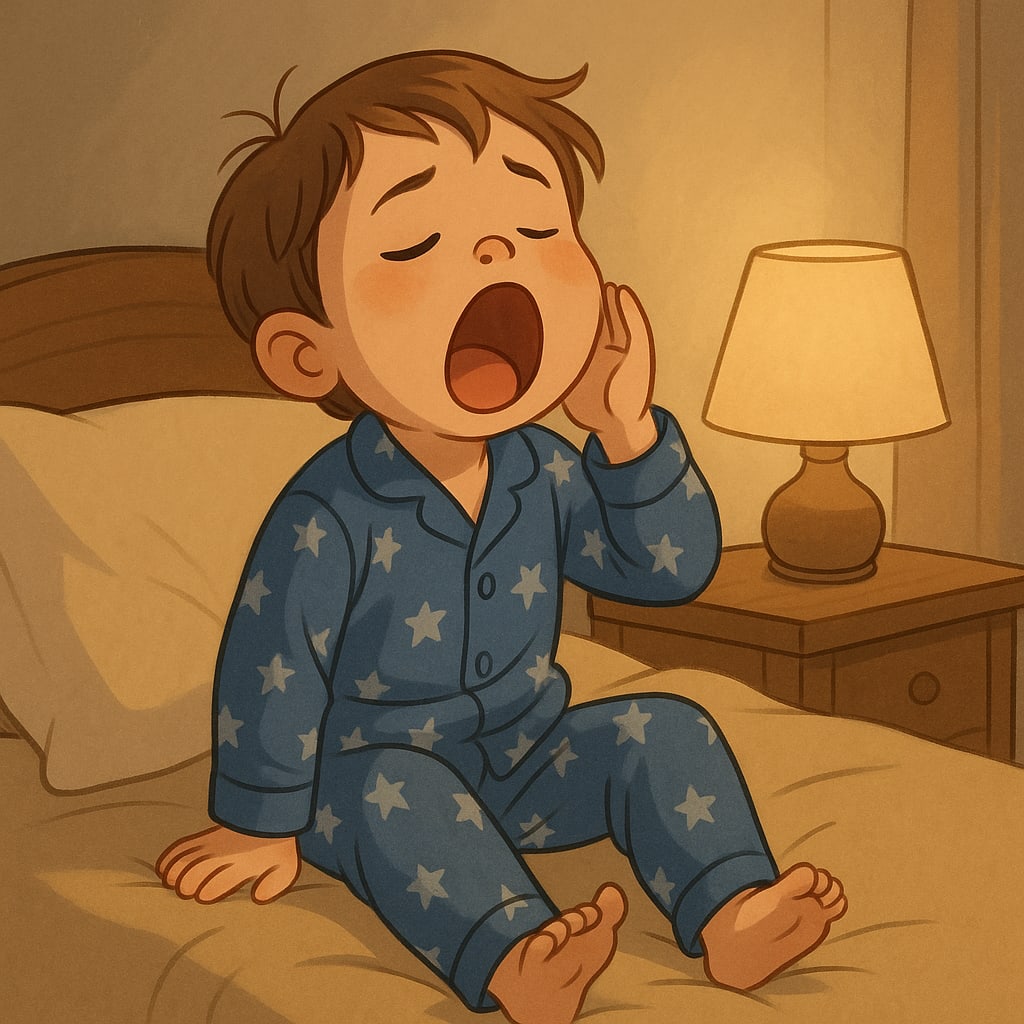
Ah, bedtime. That magical time when, in theory, tiny humans transform into peaceful, sleeping angels. In reality? It can often feel like you're negotiating with a tiny, pajama-clad lawyer who has a million brilliant reasons why 9:30 PM is clearly the optimal hour for interpretive dance or a sudden, urgent discussion about the migratory patterns of dust bunnies. Sound familiar? You are SO not alone in this nightly adventure!
Seriously, if "I've read four books, turned off the lights twice, and my kid just did a ninja roll out of bed singing 'Baby Shark'" feels like your nightly mantra, then pull up a pillow (you probably haven't seen one in a while, have you?). As a BCBA (aka, someone who understands why little brains sometimes have a different agenda than our tired ones), I've coached countless families through the exhausting chaos of bedtime resistance. We're talking epic stalling tactics, dramatic meltdowns over the exact placement of stuffed animals, and the sudden, urgent need for water/a snack/one more hug/a detailed explanation of the universe.
And here's the honest-to-goodness truth: It's not because you're too soft. And your amazing kiddo isn't intentionally trying to sabotage your precious evening of adult conversation (or, let's be real, scrolling through your phone in peace). They're genuinely struggling with something, and so are you (probably with the urge to just lock their door and run!). Let's gently unravel what's really going on and build a bedtime routine that brings a little more "zzzz" and a lot less "whyyyyyyy?" to your nights.
First Things First: Sleep Isn't Just a Switch They Can Flip (Sadly!)
Falling asleep isn't some automatic biological function that kicks in the moment their head hits the pillow (if only!). It's actually a learned skill, like riding a bike or not putting socks on your hands (though some kids really commit to that skill too). And just like any skill, some kiddos need a little extra support and practice to master the art of drifting off.
Sleep struggles can pop up for a whole bunch of reasons that aren't about them being "difficult":
The Fear of the Dark and All Its Imaginary Creatures: Being alone in the quiet darkness can be genuinely scary for little imaginations. Those shadows totally look like a friendly monster... maybe.
Sensory Sensitivities: The Pajama Prison: That tag that feels like sandpaper? The too-bright nightlight? The scratchy blanket? Sensory sensitivities can make the cozy bed feel like a torture chamber.
The Wild West of No Routine: Without a predictable wind-down, their brains are still in "go-go-go" mode from the day's adventures. It's like trying to stop a train that's going full speed.
The Racing Brain Rollercoaster: Their little minds are often buzzing with thoughts, worries, and the burning question of whether dinosaurs had belly buttons. Calming down that internal chatter is a skill in itself.
The "Parental Proximity" Addiction (We Might Have Accidentally Created This One!): Sometimes, they've learned that needing a parent nearby is the only way to fall asleep. It's a sweet but ultimately sleep-disrupting habit.
Whatever the reason, please remember this: You are not failing as a parent. You're simply trying to solve a complex puzzle with a tiny, often illogical, but always lovable human.
What NOT to Do (Even When You're Running on Fumes)
Bedtime as Punishment (The Early to Bed Backfire): "If you don't behave, you're going to bed early!" This just creates negative feelings about bedtime and turns their cozy haven into a dreaded consequence. It's like saying, "Your punishment for being awake is... more time to be awake in your room!"
The Never-Ending Negotiation (The "Just One More..." Black Hole): Arguing past bedtime is like pouring gasoline on a tiny spark of wakefulness. It just wires them up even more and teaches them that persistence pays off (in extra awake time!).
The Screen Time Siren Song (The Blue Light Blues): Relying on screens right before bed is like giving their brains a shot of espresso. The blue light messes with their melatonin (the sleepy hormone) and keeps their little minds wide awake, pondering the latest episode of their favorite show instead of drifting off to dreamland.
Instead, let's aim to make bedtime a predictable, calming experience – dare I say, even something they can eventually succeed at (and maybe even look forward to!).
What You Can Do: Sleep Strategies That Actually Have a Shot
The Sacred Wind-Down Ritual (Like a Tiny Bedtime Spa): Kids can't go from superhero mode to sleepyhead in zero seconds flat. Start a calming routine 30-45 minutes before the actual bedtime:
A warm bath (maybe with some sleepy-scented bubbles!).
Putting on cozy pajamas (the softer, the better!).
Brushing those pearly whites (and maybe a little bedtime story about happy teeth).
Reading a few gentle books (nothing too exciting!).
Quiet time with soft music or a calming story on audio.
Key Tip: Do these steps in the same order every single night. This predictability signals their brain: "Okay, wind-down sequence initiated. Sleep is the next logical step." It's like a tiny bedtime breadcrumb trail leading to dreamland.
The Visual Sleep Schedule (Pictures are Powerful!): Young kids respond amazingly well to seeing what's coming next:
Pajamas
Brush teeth
Story
Hug
Lights out Laminate it, stick it on the wall, and let them check off each step with a sticker or a dry-erase marker. It gives them a sense of control and helps them anticipate the end goal (sleep!).
Clear but Oh-So-Compassionate Boundaries (The Gentle Gatekeepers of Slumber): Let them know what to expect:
"After our story, I'll tuck you in with a big hug, and then it's time for your body to rest. I'll check on you in a little while." This reassures them that you're still there without letting them rely on your constant presence to fall asleep. Stick to the plan lovingly but firmly. No new requests, no last-minute negotiations. If they pop out of bed (and they might!), calmly walk them back, every single time if necessary. Consistency is key (even when you feel like a broken record).
The "Tiny Steps to Dreamland" Reward System: Celebrate progress, not perfection. Did they stay in bed for 10 minutes longer than usual? That's a win! Create a simple reward chart:
Stayed in bed all night = a shiny sticker!
Five stickers = a small, non-screen reward (an extra story during the day, a trip to the park, choosing a special song to listen to). Make sure the reward is meaningful to them and given relatively soon after they earn it.
Become a Sleep Environment Detective (The Hunt for Hidden Disruptors):
Too bright? Blackout curtains are your new best friend.
Too quiet? White noise can work wonders for blocking out distracting sounds.
Bed feeling like sandpaper? Invest in some super soft sheets.
Tummy rumbling before bed? A small, easily digestible snack like a banana, toast, or warm milk can help.
Worries keeping them up? A little "worry journal" where they can draw or write down their concerns, or a calming nighttime affirmation you repeat together, can ease anxiety.
When to Enlist the Sleep Experts (It's Not Admitting Defeat, It's Seeking Solutions!)
If you're consistently facing these challenges, it might be time to chat with a professional:
It regularly takes your child over an hour to fall asleep.
They have significant night wakings that don't seem to resolve.
Frequent nightmares, bedwetting, or intense bedtime fears are disrupting sleep.
Your child is over six and still needs a parent in the room to fall asleep.
Talking to your pediatrician, a BCBA specializing in sleep, or a pediatric sleep specialist can provide tailored guidance and support. Help is out there, and asking for it is a sign of strength, not weakness!
Final Thought: Sleep Doesn't Have to Feel Like a Battleground
If bedtime feels like a nightly war zone, please know this:
You are not lazy. Your child isn't "broken." You're navigating one of the most emotionally charged and energy-draining parenting challenges there is.
But with a predictable routine, gentle but firm boundaries, and a whole lot of patience (for both of you!), sleep can become a peaceful part of your
About the Creator
James C.
I faced Valley Fever, came close to losing everything, and found strength in family and faith. I share real, raw stories of survival, healing, and parenting — to inspire anyone going through tough seasons. You’re not alone.
Wise~Guys
— Look Behind what's in Front of You ~ Make Good Choices — Hey, So how you Doin'..! Made~Men — Mobster Movies romanticise a distinctive, elegant appearance, impeccable attire style, along with the 'Families' expressive lingo. Making their 'Bones' gave them Panache — with vintage fedoras, tailored pin-striped suits, mirror-polished wing-tip shoes adorned with tassels; with their 'Gun Moll' gorgeous dates on their arms.
By Jay Kantor19 days ago in Families
Bettijo Hirschi
Introduction Bettijo Hirschi is a multi‑talented creative professional from the United States. She works as a designer, art director, photographer, writer, and event planner. Bettijo has built a long career in creative work and media. People know her for her artistic skills, her work in magazines and television, and her lifestyle blog. She is also known in recent news because of changes in her personal life.
By Farhan Sayed4 days ago in Families
So You Decided To Become a Nurse Practitioner:
So you decided to become an "Advanced Practice" nurse. Congratulations!... is what I would say if this was a good idea. Grad school? In this economy? What were you thinking? Likely it was something along the lines of either 1) “I've seen these other chucklefucks do it— Why can't I?” or even 2) “I've got a nice career, I should shake it up. I miss feeling like I have no clue what I'm doing.”
By Sandor Szabo3 days ago in Fiction



Comments
There are no comments for this story
Be the first to respond and start the conversation.