
The Different Types of Dementia and How They Affect the Brain
Understanding Dementia: Types, Symptoms, and Their Impact on Brain Health

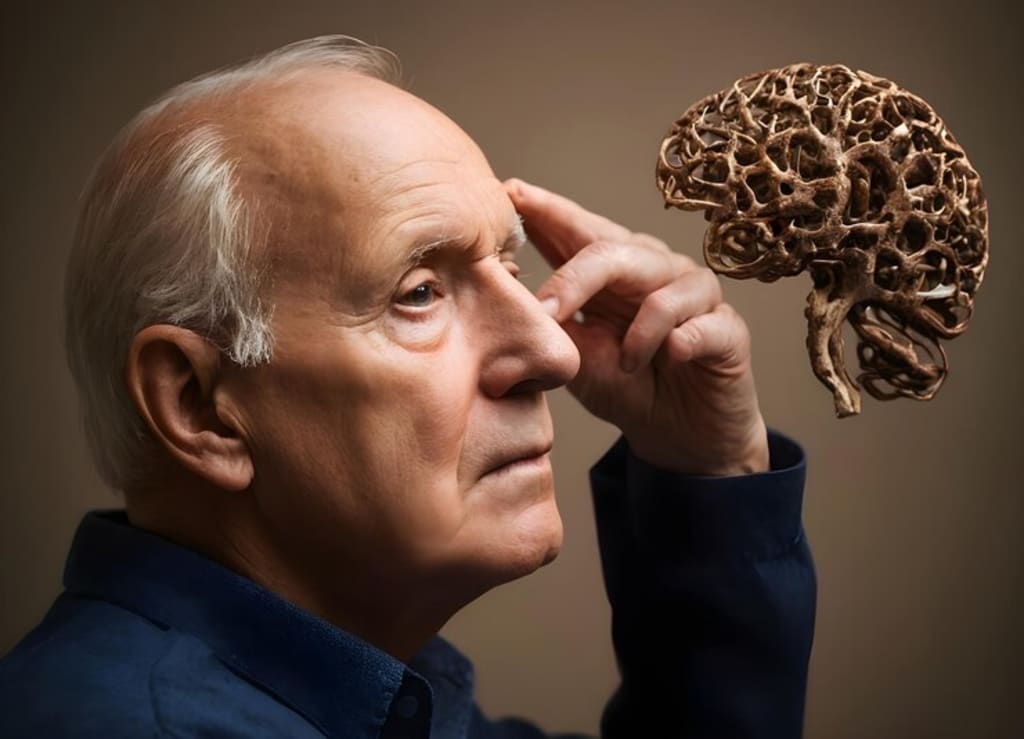
Canvas Dementia refers to a constellation of symptoms characterized by significant impairments in cognitive, behavioral, and social functioning, severe enough to disrupt activities of daily living. This term encompasses various neurodegenerative and vascular conditions, each with unique pathophysiological mechanisms and clinical manifestations. A comprehensive understanding of the types of dementia and their neuropathological underpinnings is imperative for clinicians, researchers, and caregivers. This treatise elaborates on the predominant forms of dementia, elucidating their specific etiologies, symptomatologies, and neuropathological impacts to facilitate informed care and scholarly inquiry.
Defining Dementia
Dementia is not a singular disease entity but a clinical syndrome indicative of progressive cognitive decline. It arises from structural and biochemical damage to neural networks, impairing synaptic transmission and cortical integration. The resultant deficits in memory, executive functioning, and social cognition often necessitate interdisciplinary medical management. While advanced age constitutes a principal risk factor, dementia diverges from normative senescence and demands targeted diagnostic and therapeutic approaches.
The taxonomy of dementia encompasses several subtypes, each delineated by distinct neuropathological features. Early recognition of clinical patterns enables timely intervention, mitigating disease progression and optimizing patient outcomes.
Principal Types of Dementia
Alzheimer’s Disease
Alzheimer’s disease (AD) constitutes the most prevalent form of dementia, accounting for approximately 60-80% of cases. Pathologically, AD is characterized by amyloid-β plaques and neurofibrillary tangles composed of hyperphosphorylated tau proteins. These aberrant structures predominantly affect the hippocampus and entorhinal cortex, regions integral to episodic memory consolidation.
- Memory Impairments: Initial deficits manifest as anterograde amnesia, with preserved autobiographical memory during early stages.
- Executive Dysfunction: Progressive deterioration of problem-solving abilities and judgment.
- Neuropsychiatric Symptoms: Anxiety, apathy, and irritability frequently co-occur.
Advanced stages of AD are marked by extensive cortical atrophy, global aphasia, and severe functional dependence. Emerging biomarkers such as cerebrospinal fluid tau and amyloid ratios have enhanced diagnostic precision.
Vascular Dementia
Vascular dementia (VaD) arises from ischemic or hemorrhagic cerebrovascular insults leading to focal or diffuse neuronal loss. The heterogeneity of VaD reflects the diverse etiologies, including large vessel strokes, lacunar infarctions, and chronic small vessel disease.
- Planning and Organization Deficits: Impairments in goal-directed behaviors and complex task execution.
- Psychomotor Retardation: Slowed cognitive processing speeds.
- Stepwise Cognitive Decline: Symptoms often exacerbate with successive vascular events.
Preventive strategies emphasizing vascular health—such as antihypertensive therapy and lipid regulation—are paramount in reducing the incidence of VaD.
Lewy Body Dementia (LBD)
Lewy Body Dementia results from intracellular aggregates of alpha-synuclein within cortical and subcortical neurons. This pathology intersects with Parkinsonian and Alzheimerian spectrums, producing a unique symptom constellation:
- Cognitive Fluctuations: Periodic episodes of profound confusion interspersed with relative lucidity.
- Visual Hallucinations: Intricate and recurrent visual phenomena, often distressing.
- Motor Symptoms: Bradykinesia, rigidity, and postural instability akin to Parkinson’s disease.
Diagnostic criteria emphasize the temporal relationship between cognitive decline and motor symptom onset, with neuroimaging and polysomnography serving as adjunctive tools.
Frontotemporal Dementia (FTD)
FTD encompasses a group of disorders primarily affecting the frontal and temporal lobes, implicating social cognition, executive functions, and language.
- Behavioral Variant FTD: Marked by disinhibition, apathy, and loss of social comportment.
- Primary Progressive Aphasia: Gradual deterioration in expressive or receptive language faculties.
- Motor Subtypes: Comorbid motor neuron disease or corticobasal syndrome in select cases.
Genetic mutations in MAPT, GRN, and C9orf72 genes are implicated in familial FTD, underscoring the utility of genetic counseling.
Mixed Dementia
Mixed dementia denotes concurrent neuropathologies, most commonly AD and VaD, compounding diagnostic complexity and clinical heterogeneity. This overlap necessitates multimodal assessment, integrating neuroimaging, biochemical markers, and detailed neuropsychological testing.
Parkinson’s Disease Dementia (PDD)
PDD typically emerges in advanced Parkinson’s disease, manifesting years after initial motor symptomatology. Key features include:
- Cognitive Deceleration: Gradual yet pervasive slowing of cognitive processing.
- Visuospatial Dysfunction: Impairments in spatial reasoning and navigation.
- Psychotic Features: Hallucinations and delusions complicate disease management.
Differentiating PDD from LBD hinges on the chronology of motor versus cognitive decline.
Neuropathological Impacts
Dementia profoundly alters cerebral architecture and neurochemistry:
- Atrophy and Cell Loss: Progressive neuronal apoptosis and synaptic pruning result in regional and global brain volume reductions.
- Synaptic Dysregulation: Impaired neurotransmitter cycling—notably acetylcholine in AD and dopamine in LBD—compromises neural circuitry.
- Inflammatory Pathways: Microglial activation and cytokine release exacerbate neurodegeneration.
Understanding these mechanisms provides a framework for developing targeted pharmacological and non-pharmacological interventions.
The Functional Assessment Staging Tool (FAST)
The FAST scale dementia progression into seven stages, ranging from subtle age-related changes to profound functional incapacity:
- No Impairment: Normal cognitive functioning.
- Subjective Memory Complaint: Early self-reported deficits without objective findings.
- Mild Cognitive Decline: Detectable challenges in complex tasks.
- Moderate Cognitive Decline: Dependency in instrumental activities of daily living.
- Moderately Severe Cognitive Decline: Assistance required for basic self-care.
- Severe Cognitive Decline: Severe memory loss and personality disintegration.
- Very Severe Decline: Total loss of communicative and motor abilities.
This tool aids clinicians in tailoring interventions and communicating prognosis.
Risk Mitigation and Prophylaxis
Modifiable risk factors offer avenues for reducing dementia prevalence:
- Lifestyle Optimization: Regular aerobic exercise and Mediterranean-style diets promote neurogenesis and vascular integrity.
- Cardiovascular Risk Management: Effective control of hypertension, diabetes, and dyslipidemia diminishes cerebrovascular burdens.
- Cognitive Enrichment: Engagement in intellectually stimulating activities fosters cognitive reserve.
Therapeutic Paradigms
Although curative therapies remain elusive, symptom management strategies enhance quality of life:
- Pharmacotherapy: Acetylcholinesterase inhibitors and NMDA receptor antagonists modulate cognitive deficits.
- Behavioral Interventions: Structured routines and environmental modifications mitigate behavioral disturbances.
- Support Networks: Family education and community resources bolster caregiver resilience.
Conclusion
A nuanced comprehension of dementia’s diverse etiologies and clinical trajectories is indispensable for advancing therapeutic modalities and societal support systems. Interdisciplinary efforts integrating biomedical research, public health initiatives, and compassionate caregiving can profoundly alleviate the global dementia burden.
About the Creator
Jame Roark
Jame Roark is a versatile and passionate writer with a keen interest in exploring a diverse range of topics.
Keep reading
More stories from Jame Roark and writers in Families and other communities.
How Can You Tell What Stage of Dementia a Person is in?
It is essential for caregivers and health care providers to understand the stages of dementia because proper care and support will be given at the appropriate time. Dementia has stages, and identifying which stage the patient is at helps in planning medical interventions, caregiving strategies, and attending to the emotional needs of the patient. Below, we delve into the detailed stages of dementia, focusing on the FAST Scale Dementia, which is commonly used to determine the progression of dementia.
By Jame Roarkabout a year ago in Families
Wise~Guys
— Look Behind what's in Front of You ~ Make Good Choices — Hey, So how you Doin'..! Made~Men — Mobster Movies romanticise a distinctive, elegant appearance, impeccable attire style, along with the 'Families' expressive lingo. Making their 'Bones' gave them Panache — with vintage fedoras, tailored pin-striped suits, mirror-polished wing-tip shoes adorned with tassels; with their 'Gun Moll' gorgeous dates on their arms.
By Jay Kantor18 days ago in Families




Comments
There are no comments for this story
Be the first to respond and start the conversation.