
The Curtains in the Living Room
Sometimes, holding on means noticing the little things that make a house a home.
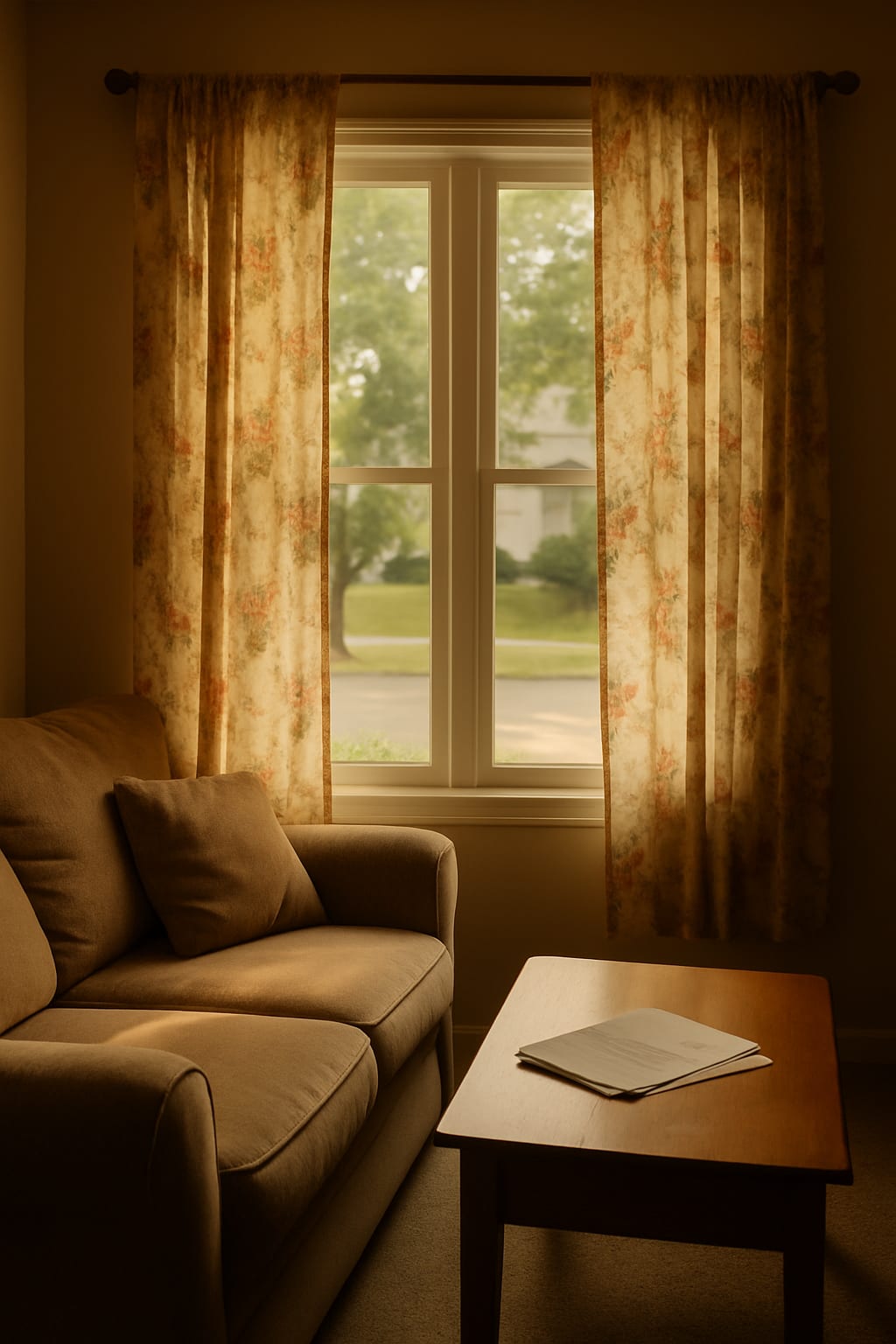
Our living room has always been my favorite part of the house. The light that comes through the big front windows in the morning feels warm and familiar, and the soft, floral curtains have been there since the day we moved in.
They’re nothing special—faded in places, a little frayed at the edges—but they’ve framed so many moments of our lives: Christmas mornings, family movie nights, rainy afternoons spent curled up on the couch.
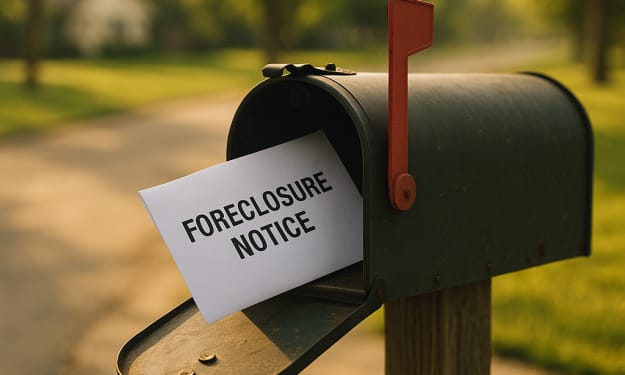
During the months when foreclosure notices began arriving, those curtains became a strange kind of anchor. While everything else in our world felt like it was slipping away, they stayed exactly where they’d always been.
When It All Started to Shift
It didn’t happen overnight. It never does.
At first, it was just a few late payments. We told ourselves we’d catch up. But then, like a slow leak you don’t notice until the floor is soaked, the bills began to pile up faster than we could pay them.
My husband’s overtime was cut, my freelance work slowed, and our savings—what little we had—was drained by medical expenses.
We started skipping dinners out, canceling subscriptions, doing everything we could to stretch every dollar. But no matter how many corners we cut, we couldn’t seem to get ahead.
The Day the Letter Arrived
The day the foreclosure notice came, I was folding laundry in the living room. I saw the mail truck stop outside and, without thinking, went to the door.
The envelope was thick, with the bank’s logo printed in bold across the top. I knew before I even opened it what it meant.
I sank onto the couch, the sunlight filtering through the curtains, and just stared at the letter. For a long time, I couldn’t move. I couldn’t cry. I couldn’t even breathe.
The Weeks That Followed
The hardest part wasn’t the letter itself—it was pretending nothing had changed.
We still took the kids to school, waved to neighbors, went to work, and smiled when people asked how things were going. But inside, I felt like I was unraveling. Every time the mail truck came down the street, my chest tightened.
At night, I’d sit in the living room, staring at the soft shadows on the curtains, wondering how long they’d stay there.
The Turning Point
One evening, my husband sat beside me and said quietly, “We’ve got to stop being afraid of the mail.”
He was right.
The next day, we spread out every notice and bill on the coffee table. We called the mortgage company, asked questions, and started researching options. We learned about hardship programs, forbearance plans, and the rights homeowners still have during foreclosure.
It wasn’t easy. It took hours of calls, weeks of waiting, and mountains of paperwork. But for the first time in months, I felt like we were moving toward something instead of running from it.
The Morning of Hope
Months later, I stood by the same window where it had all started. The mail truck pulled up again, and I felt the old panic rise in my chest. But this time, when I opened the envelope, I found something different—confirmation that the foreclosure process had been paused.
I set the letter on the coffee table, pulled the curtains open wide, and let the sunlight flood in.
What Those Curtains Mean Now
They still hang in the same place, faded and frayed. But now, when I look at them, I don’t see fear. I see strength.
Those curtains have framed our hardest days and our most hopeful mornings. They remind me that home isn’t just walls or windows—it’s the life that happens inside them.
If you’re staring at your own unopened letters, afraid to find out what they say, I want you to know this: there’s still light behind those curtains. You just have to pull them open.
Author’s Note:
This story is inspired by real families who’ve faced foreclosure and found their way forward. If you’re navigating something similar, David Litt at 4Closure Rescue has over 26 years of experience helping homeowners with compassion and clarity. You can reach him at 224-344-5700.
About the Creator
Keep reading
More stories from David Litt and writers in Families and other communities.
Wise~Guys
— Look Behind what's in Front of You ~ Make Good Choices — Hey, So how you Doin'..! Made~Men — Mobster Movies romanticise a distinctive, elegant appearance, impeccable attire style, along with the 'Families' expressive lingo. Making their 'Bones' gave them Panache — with vintage fedoras, tailored pin-striped suits, mirror-polished wing-tip shoes adorned with tassels; with their 'Gun Moll' gorgeous dates on their arms.
By Jay Kantor20 days ago in Families
Thoughts on Vocal and the way the world is
"Death cannot stop true love, only delay it." – Wesley in The Princess Bride. I decided to come back to Vocal on a very cold and dark night at the end of December. I had been, and still am, convalescing from a horrible staph infection that had gone misdiagnosed for months. This, paired with the increasing challenges of being healthy, making the best choices for my co-parented child, being a wife, and being a director at a new job, was a lot to manage.
By Jazzy 2 days ago in Confessions



Comments
There are no comments for this story
Be the first to respond and start the conversation.