
The Mailbox
The place where fear arrived—and where hope eventually followed.
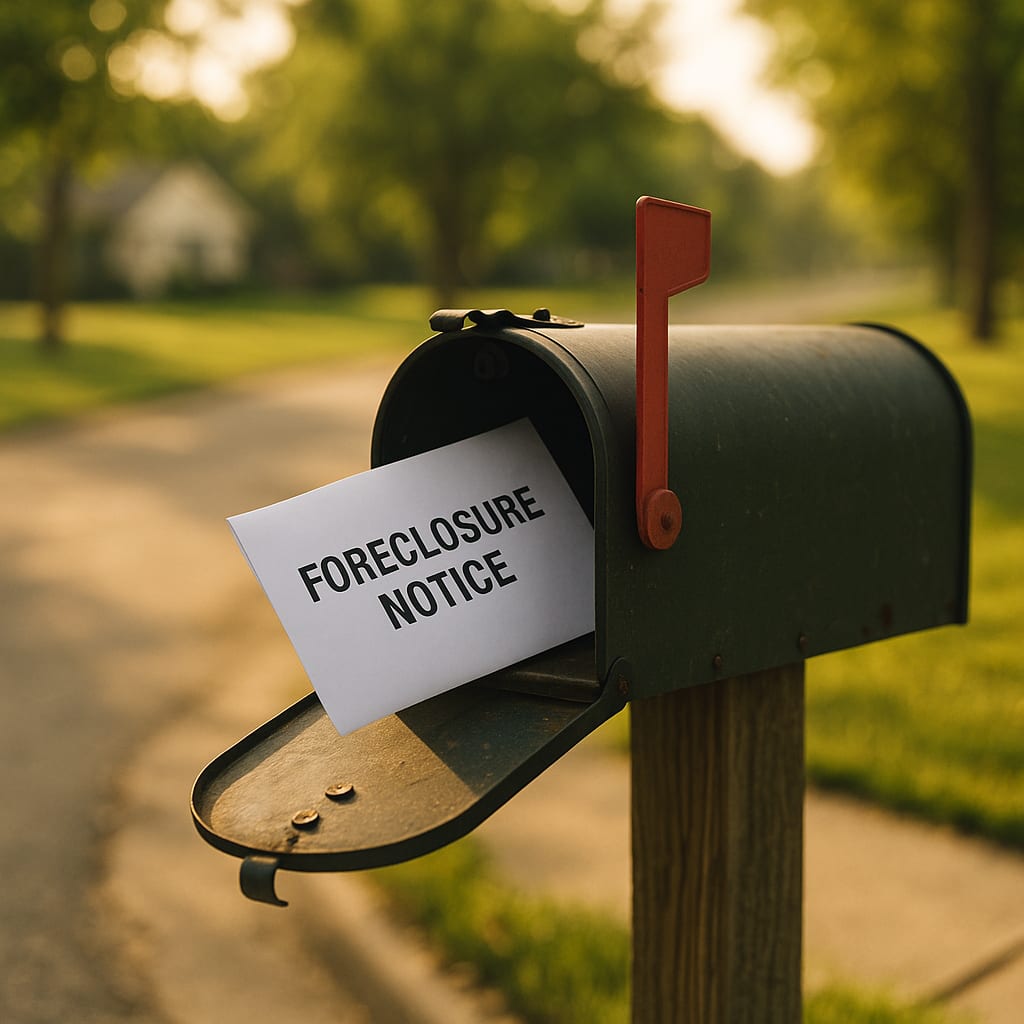
Our mailbox is nothing special. It leans a little to the left, its paint chipped from too many winters. For years, it was just where we collected the usual—bills, grocery flyers, birthday cards, and the occasional package.
But during the months when foreclosure notices began showing up, that mailbox became something I dreaded. Each time I walked down the driveway to open it, my chest tightened. Would today bring another reminder of how close we were to losing our home?
When Things Started Slipping
We had always managed to stay on top of things. We weren’t extravagant, but we lived comfortably. Then came the unexpected: a medical bill, a cut in hours at work, and repairs on the car that couldn’t wait.
At first, we juggled the payments. We pushed one bill back to cover another, convincing ourselves we’d catch up next month. But next month never came. The balance snowballed, and soon, the mortgage—the one payment we had always prioritized—slipped out of reach.
The Letter That Changed Everything
I’ll never forget the day I pulled a thick envelope from the mailbox. My hands shook as I opened it right there on the driveway. The words “Notice of Default” jumped out at me, and the ground seemed to shift beneath my feet.
That evening, I left the envelope unopened on the counter, pretending it wasn’t there. But the truth weighed heavy—I knew we were closer than ever to losing the place we called home.
The Quiet Shame
For weeks, I carried the fear silently. I smiled at neighbors, went to work, and kept life running for the kids. But each trip to the mailbox felt like walking toward a firing squad. Every letter with an official logo sent my heart racing.
We didn’t tell friends or family. Foreclosure carries a certain shame, as if admitting it means you’ve failed, even when circumstances are beyond your control.
The Turning Point
One evening, my husband caught me staring at the latest envelope on the counter. He picked it up, read it carefully, and then said something I’ll never forget:
“We’re not going to let a letter decide our future. We’ll figure this out.”
For the first time in weeks, I felt like I wasn’t carrying the weight alone.
Step by Step, We Fought Back
The next morning, we gathered every letter from the pile, spread them across the table, and made a plan.
We started calling the mortgage company, asking about hardship assistance and repayment options. We researched foreclosure laws, timelines, and programs that might help. The process was confusing and frustrating—hours on hold, conflicting information, and stacks of paperwork—but it gave us something we hadn’t felt in months: control.
I started marking dates on the calendar not just as deadlines, but as progress markers. Each call made, each form submitted, was a step forward.
The Day Hope Arrived
Months later, I walked down to the mailbox expecting the usual knot of dread in my stomach. Instead, I found a letter that carried something different.
I opened it slowly, hands trembling. This time, the words inside brought relief: the foreclosure process had been paused.
I stood at the end of the driveway, tears streaming down my face, staring at the same mailbox that had once delivered so much fear. For the first time in a long time, I felt hope.
What I Learned
The mailbox is still chipped and leaning, but I see it differently now. It no longer just reminds me of fear—it reminds me of resilience. Of how close we came to losing everything, and how we fought to stay.
If you’re walking to your own mailbox with dread, I want you to know something: you are not alone. The letters don’t define you. And no matter how heavy they feel, there is always a way forward.
Author’s Note:
This story is inspired by real families who’ve faced foreclosure and found hope again. If you’re navigating something similar, David Litt at 4Closure Rescue has over 26 years of experience helping homeowners with compassion and clarity. You can reach him at 224-344-5700.
About the Creator
Keep reading
More stories from David Litt and writers in Families and other communities.
The Bedroom Lamp
On my nightstand sits an old lamp. It’s not anything special—just a simple base with a faded shade that’s been knocked over more times than I can count. For years, it’s been the quiet companion to late-night reading, early-morning alarms, and whispered talks before sleep.
By David Litt4 months ago in Families
Wise~Guys
— Look Behind what's in Front of You ~ Make Good Choices — Hey, So how you Doin'..! Made~Men — Mobster Movies romanticise a distinctive, elegant appearance, impeccable attire style, along with the 'Families' expressive lingo. Making their 'Bones' gave them Panache — with vintage fedoras, tailored pin-striped suits, mirror-polished wing-tip shoes adorned with tassels; with their 'Gun Moll' gorgeous dates on their arms.
By Jay Kantor20 days ago in Families
How to Succeed at the Benson Directory®
Congratulations and welcome to the Benson Directory® employee #22391! As our newest call handler, you will have the privilege of speaking with dozens of unique and interesting people on a daily basis as well as the opportunity to earn bonuses for high performance. Contained within this handbook you will find a set of ease to follow instructions designed to help you settle in to your new role and begin paving the way to success.
By S. A. Crawford4 days ago in Fiction




Comments
There are no comments for this story
Be the first to respond and start the conversation.