extended family
All about how to stay connected, strengthen ties and talk politics with your big, happy extended family.
The Echoes of Bitter Harvest
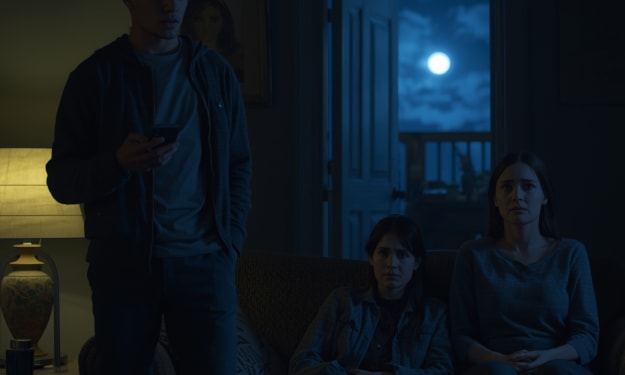
The sun hung low over the rolling hills of the Blackwood Estate, casting long, distorted shadows that looked like grasping fingers reaching for the manor house. Julian Blackwood stood on the obsidian-tiled balcony, his fingers wrapped tightly around a glass of amber liquid that had long since grown warm. At thirty-two, Julian was the sole heir to a fortune built on coal, sweat, and a century of secrets. But as he looked out over the dormant vineyards that his father had insisted on planting in his final years, all Julian felt was the crushing gravity of a legacy he never asked for.
By Alpha Cortex16 days ago in Families
The Power of Presence
When “Good Parenting” Became a Feeling In modern parenting conversations, “good” has increasingly come to mean emotionally warm, verbally affirming, and immediately comforting. A good parent is expected to soothe distress quickly, validate feelings consistently, and minimize discomfort whenever possible. These traits are treated as obvious indicators of healthy parenting, reinforced by cultural messaging, therapeutic language, and social reward structures. When a child feels better in the moment, the parenting decision is assumed to have been correct, and when discomfort persists, the decision is often framed as a failure of care rather than a necessary part of development.
By Peter Thwing - Host of the FST Podcast21 days ago in Families
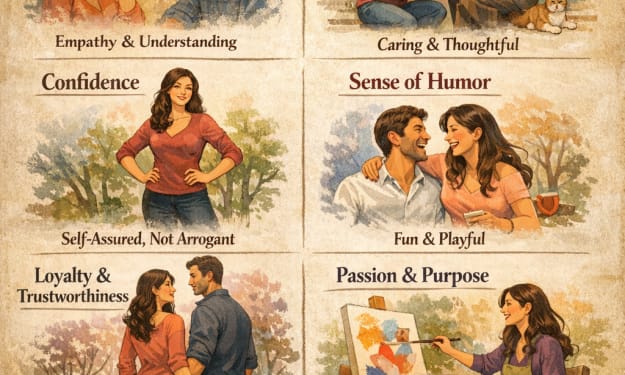
Six Things Women like More In Men Than Good looks
Physical attraction may spark interest, but it rarely sustains a meaningful relationship. While good looks can draw attention, they are not what build trust, emotional security, or long-term happiness. Many women value deeper qualities that make a man reliable, emotionally safe, and inspiring to be with. Here are six things women often like more in men than physical appearance.
By Ibrahim Shah 24 days ago in Families
Six Things Men like More In Women Than Good looks
Physical attraction often gets most of the attention in conversations about relationships, but in reality, long-term connection is built on much deeper qualities. While good looks may catch someone’s eye, they rarely hold someone’s heart. Here are six things many men value in women even more than physical beauty.
By Ibrahim Shah 24 days ago in Families
How Family Mediation Helped Us Talk When Everything Else Failed
We Found a Way to Talk Again The last proper conversation we had before mediation was about a school jumper. Our youngest had lost his, and somehow that turned into forty minutes of accusations about who was supposed to be keeping track of what, who had dropped the ball again, and whether this was yet another example of the other person not paying attention to the things that actually mattered.
By Jess Knauf29 days ago in Families
The Empty Mansion and the Small Hut: A Lesson in True Wealth
By Hazrat Umer Why having everything money can buy might still leave you with nothing. I once knew a man named Sameer. Sameer was a very successful businessman in 2020. He had everything a person could dream of: a giant mansion with marble floors, three expensive cars, and a bank account that never ended. He was always busy, moving from one meeting to another, his phone ringing every second. People looked at him and said, "He is the luckiest man in the world."
By Hazrat Umerabout a month ago in Families