
"Stolen Innocence: The Silent Harm of Early Sexual Exposure to Children"
In a world flooded with unfiltered content, our children are losing their childhood and we’re too distracted to notice.
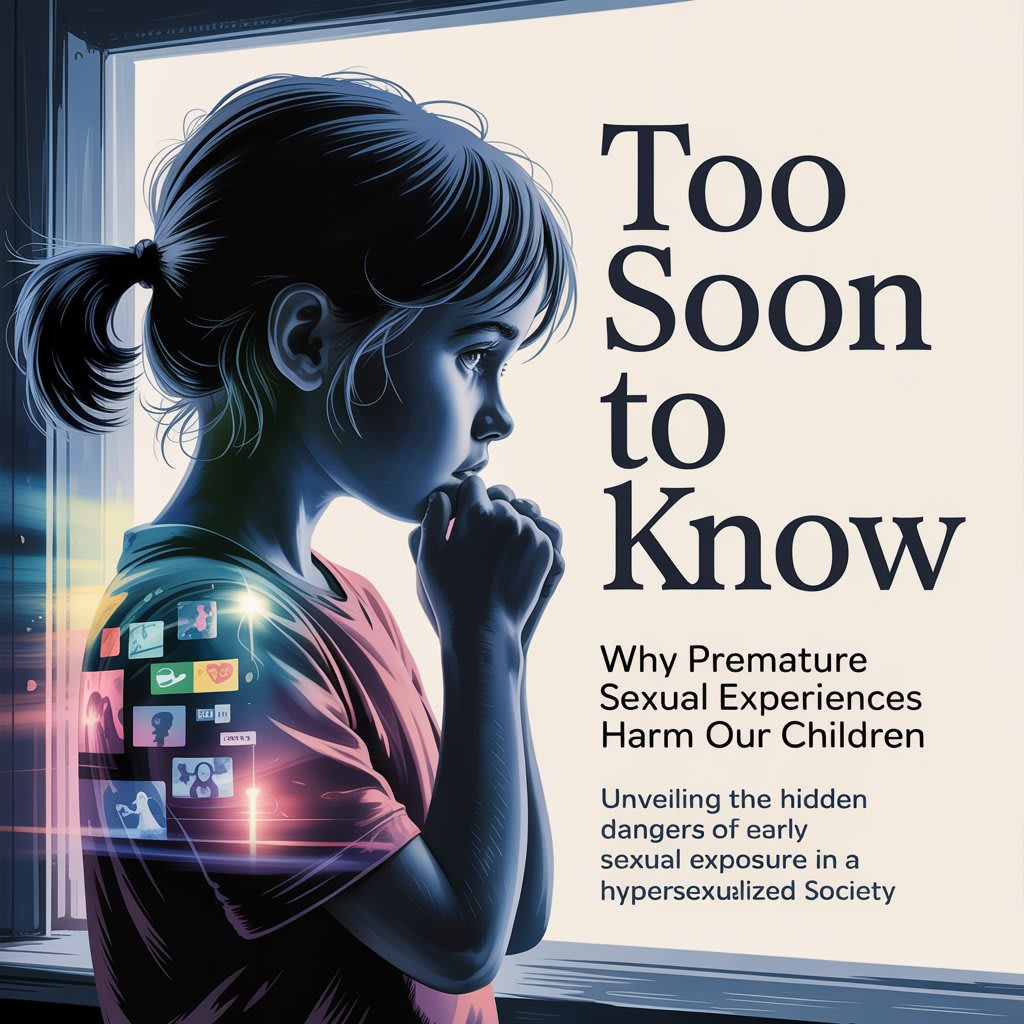
"Too much, too soon and children are paying the price."
Authored by Haroon Ali
*Introduction* :
In an age where smartphones outnumber storybooks and cartoons have become portals to adult realities, childhood innocence is being stolen silently and steadily. Children today are growing up in a hypersexualized environment where boundaries between age-appropriate knowledge and explicit exposure are increasingly blurred. This premature exposure to sexual content whether through media, internet, peers, or even within the household is not only morally concerning but psychologically damaging.
But who is to blame? Media? Technology? Or the parents too distracted or unaware to draw the line? This article delves into the silent danger of early sexual exposure and the critical role parents and society must play to protect the most vulnerable minds.
*1* . *The Hypersexualized World Around Us*
The internet has revolutionized access to information. But with it came a flood of explicit content. Even innocent-looking platforms like YouTube, Instagram, or TikTok can lead children sometimes unknowingly into sexually suggestive content. TV shows and advertisements often portray intimate scenes as normal, even desirable, with little regard for the age of the viewers.
Cartoons designed for teenagers or adults are sometimes watched by children without parental filtering. Fashion trends, social media challenges, music videos all of these normalize sexuality in ways that children are neither mature enough to process nor emotionally equipped to handle.
This unfiltered exposure is not just accidental. Marketing industries deliberately use sexual imagery to sell products, and children are often the unintended but vulnerable audience.
*2* . *The Psychological Impact on Children*
When children are exposed to sexual content before they are developmentally ready, it creates confusion, fear, and even guilt. Studies in child psychology consistently show that early sexual exposure can lead to:
Anxiety and depression
Aggressive or inappropriate sexual behavior
Distorted understanding of relationships and gender roles
Loss of focus in academics and creativity
Early sexual activity, which can lead to exploitation or trauma
Their tender minds, still forming values, are shaped by the images they see and the messages they receive even when they don’t fully understand them.
*3* . *The Role of Parents: More Than Just Filters*
While the internet and media are major contributors, the first defense line should always be the home. Unfortunately, many parents:
Avoid open conversations about sexuality due to shame or cultural taboos
Don’t set proper boundaries with technology use
Fail to model modest behavior or speech
Neglect to monitor what children are watching or browsing
Ignore questions, thinking the child is too young to understand
The result? Children learn from the world instead of their parents. And what they learn is often misleading, shallow, or damaging.
Parents must reclaim their role as moral and emotional guides. That means:
Talking to children about body boundaries, privacy, and respect
Setting age-appropriate rules for media use
Practicing modesty and respect in the home
Being approachable so that children don’t hide their questions or experiences
Teaching children the difference between healthy affection and inappropriate behavior
*4* . *Media and Internet: Neither Friend Nor Foe Just Tools*
Blaming the internet or media entirely is like blaming a knife for a wound. Tools can be helpful or harmful depending on how they’re used.
Parents and guardians must become tech-literate enough to:
Use parental controls and safe browsing modes
Teach children critical thinking about what they see online
Guide children toward healthy content
Restrict device use during private or bedtime hours
Encourage real-life social interaction and hobbies away from screens
*5* . *Schools and Community Responsibility*
Parents cannot do it alone. Schools must incorporate age-appropriate, value-based education about relationships, respect, and digital safety. Community leaders, especially in faith-based or moral organizations, should speak openly and wisely about these issues.
Religious teachings, too, have deep wisdom on modesty, privacy, and the sanctity of childhood. Communities must revive that guidance, not suppress it.
*6* . *Cultural Silence is Dangerous*
In many cultures, sex education is avoided altogether. But silence doesn’t protect it only delays the damage. Children who aren’t taught at home learn from the streets, the screen, or worse predators who prey on their ignorance.
Silence creates shame. Shame creates secrecy. And secrecy allows abuse, addiction, and confusion to grow. Responsible parenting doesn’t mean revealing everything early it means revealing the right things at the right time, in a loving and protective way.
*7* . *Hope Is Not Lost*
Despite the overwhelming presence of harmful content, children are incredibly resilient—if they are guided well. A secure home, open communication, and healthy emotional connection can protect and heal much of what the media distorts.
It's not about keeping children in a bubble. It’s about building a strong foundation, so when they face the world, they are not confused, frightened, or exploited but confident and clear about their worth.
*Conclusion*
The innocence of childhood is a treasure fragile, beautiful, and worth defending. In a world where premature sexual exposure is only a click away, the responsibility lies with parents, teachers, communities, and media creators to protect and nurture our children's minds and morals.
We can no longer afford to be passive. Childhood is being stolen in silence. It’s time to speak, act, and guide before it’s too late.
About the Creator
Reader insights
Outstanding
Excellent work. Looking forward to reading more!
Top insights
Compelling and original writing
Creative use of language & vocab
Easy to read and follow
Well-structured & engaging content
Excellent storytelling
Original narrative & well developed characters
Expert insights and opinions
Arguments were carefully researched and presented
Eye opening
Niche topic & fresh perspectives
Heartfelt and relatable
The story invoked strong personal emotions
On-point and relevant
Writing reflected the title & theme
Wise~Guys
— Look Behind what's in Front of You ~ Make Good Choices — Hey, So how you Doin'..! Made~Men — Mobster Movies romanticise a distinctive, elegant appearance, impeccable attire style, along with the 'Families' expressive lingo. Making their 'Bones' gave them Panache — with vintage fedoras, tailored pin-striped suits, mirror-polished wing-tip shoes adorned with tassels; with their 'Gun Moll' gorgeous dates on their arms.
By Jay Kantor19 days ago in Families
Kids Beds Suitable for Smaller Bedrooms: Smart Comfort Without Crowding
Not every child has a large bedroom. In many homes, space is shared or limited, which means every piece of furniture needs to be chosen carefully. A bed that is too big or bulky can make a small room feel cramped and uncomfortable.
By Shazad Khan3 days ago in Families




Comments (1)
Good 👍 work 👏 you need hard wor