
Smart Kitchen Renovation Ideas for London’s Heritage Properties
Blending Modern Functionality with Timeless Charm
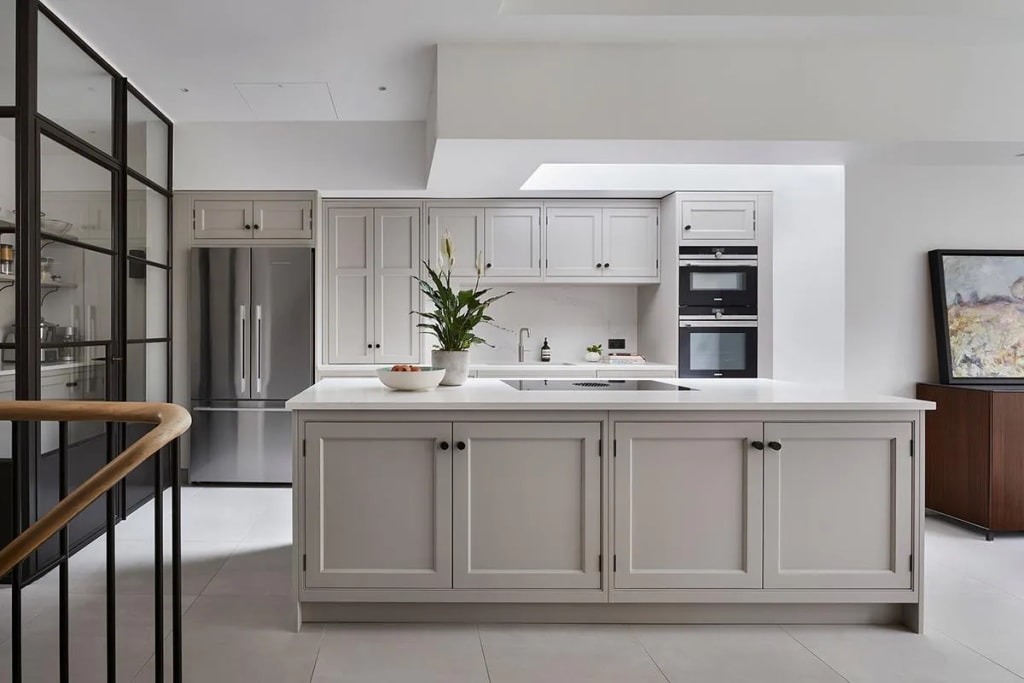
Renovating a kitchen in a heritage property in London can be both exciting and challenging. Heritage homes have unique character, charm, and historical features that homeowners often want to preserve. At the same time, there’s a desire for modern, efficient kitchen spaces that make daily life easier. This article will cover smart kitchen renovation ideas for London’s heritage properties, blending historic charm with modern functionality.
1. Work with Original Features
When planning a kitchen renovation in London heritage homes, one of the best approaches is to work with original features. Many London homes have architectural details like exposed beams, fireplaces, original tiles, or stone walls that give them a unique character. Instead of covering these features, use them as focal points in the kitchen. For example, you could highlight an exposed brick wall or refinish old wooden beams to bring warmth and authenticity into the space.
2. Choose Modern Appliances with a Vintage Look
While it’s tempting to install the latest high-tech kitchen gadgets, modern appliances can look out of place in a heritage kitchen. To maintain the classic feel, opt for appliances that have a vintage design but include modern functions. Many manufacturers offer fridges, ovens, and other kitchen appliances that mimic the look of older designs, but they’re efficient and user-friendly. These help bridge the gap between style and functionality in a heritage home.
3. Use Neutral and Earthy Colour Palettes
A timeless colour palette works best in heritage properties. Stick to neutral colours like whites, creams, and greys, or use earthy tones like sage green, deep blue, and soft brown. These colours create a calm, inviting space and complement original architectural features. Neutral colours also help make the space feel larger and brighter, which can be beneficial if the kitchen has limited natural light.
4. Invest in High-Quality Natural Materials
Heritage homes and natural materials go hand-in-hand. Opt for high-quality wood, stone, or metal fixtures for countertop, cabinetry, and flooring. Reclaimed wood can be an excellent choice for cabinetry, as it not only aligns with the home’s history but also adds a warm, lived-in feel to the space. Stone countertop, such as granite or marble, are durable and add elegance, fitting well with the historic charm of a heritage home.
5. Add Subtle Modern Touches
To balance the old and new, consider adding small, subtle modern touches. Soft-close cabinets, energy-efficient lighting, or under-cabinet LED lights provide modern conveniences without disrupting the classic look of the kitchen. These touches add functionality to the kitchen without overpowering its traditional design.
6. Maintain Consistency with Flooring
Many heritage homes have distinct flooring, like old hardwood or stone tiles. If possible, keep or restore the original floors to maintain historical accuracy. If the floors need replacing, choose materials that match the age and style of the property. For example, traditional wood flooring, patterned tiles, or stone can keep the period feel while enhancing durability.
7. Consider Open Shelving for a Classic Look
Open shelving is a popular choice for heritage kitchen renovations. It provides a way to display vintage dishware, glassware, or cookware, enhancing the character of the kitchen. Open shelves also create a more open, airy feel, which can be beneficial in smaller heritage kitchens. Just be sure to organise items neatly to avoid a cluttered appearance.
8. Respect Building Restrictions and Permits
In London, many heritage properties are protected by laws that regulate renovations. It’s important to check with local authorities and apply for any required permits before starting your kitchen renovation. There might be restrictions on altering certain features, so understanding these rules can help you plan a renovation that respects the building’s historical integrity.
9. Focus on Lighting to Highlight Features
Good lighting can enhance both the function and beauty of a heritage kitchen. Use warm, ambient lighting to bring out the natural beauty of wood and stone, or install pendant lights over the countertop or island for a touch of modern style. If the home has large windows, make the most of natural light by keeping window treatments minimal.
10. Stay True to the Era but Personalise the Space
When renovating a heritage kitchen, it’s essential to stay true to the era of the home while making the space functional and reflective of your style. For instance, if you love vintage hardware, consider adding antique handles and knobs to cabinetry. Or, if you enjoy cooking, prioritise practical storage solutions that suit your needs but also complement the room’s traditional design.
Final Thoughts
Renovating a kitchen or flat in a London heritage property requires a thoughtful approach that respects the home's history and adds modern touches for convenience. Focusing on original features Use of high quality materials Select updates carefully You can create a kitchen or flat renovation that celebrates London past and present Smart kitchen renovation ideas for heritage properties can help transform an old kitchen into a stylish, functional space that feels like it belongs in your historic home.
About the Creator
Keep reading
More stories from London Renovation Company and writers in Families and other communities.
The Role of Interior Design in a London Flat Renovation: Balancing Style and Function
Renovating a flat in London is both an exciting and challenging task. Whether you're looking to modernise a small apartment or refresh an older property, interior design plays a crucial role in ensuring the final result is both functional and aesthetically pleasing. In a city known for its diverse architecture, the right design can help you make the most of your flat’s potential, while also providing comfort and style. In this article, we’ll explore how interior design impacts flat renovations in London, with a particular focus on balancing style with function. We’ll also cover a key aspect of interior design—how to maximise natural light in your flat renovation.
By London Renovation Companyabout a year ago in Families



Comments
There are no comments for this story
Be the first to respond and start the conversation.