
The Role of Interior Design in a London Flat Renovation: Balancing Style and Function
Striking the Perfect Balance: How Interior Design Enhances Style and Functionality in London Flat Renovations
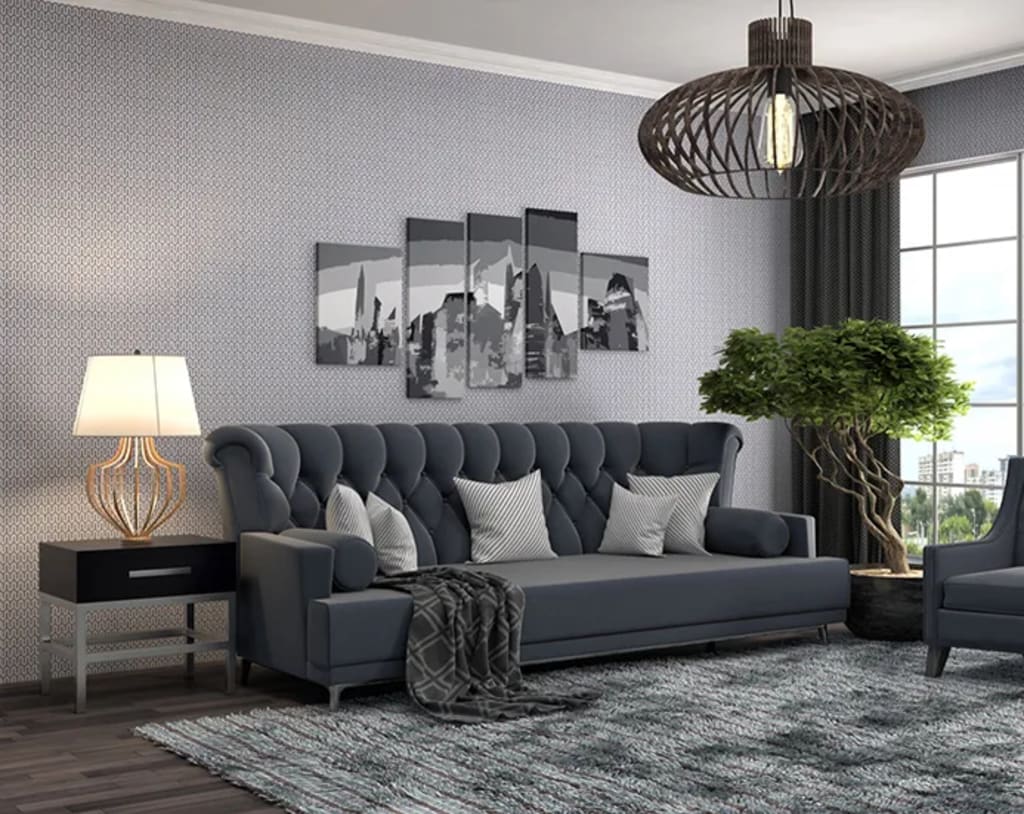
Renovating a flat in London is both an exciting and challenging task. Whether you're looking to modernise a small apartment or refresh an older property, interior design plays a crucial role in ensuring the final result is both functional and aesthetically pleasing. In a city known for its diverse architecture, the right design can help you make the most of your flat’s potential, while also providing comfort and style. In this article, we’ll explore how interior design impacts flat renovations in London, with a particular focus on balancing style with function. We’ll also cover a key aspect of interior design—how to maximise natural light in your flat renovation.
1. Why Interior Design Matters in a London Flat Renovation
Interior design isn't just about choosing colours and furniture; it’s about creating a space that enhances the way you live. In London, where space is often limited and flats can be small, the importance of interior design becomes even more pronounced. A good interior designer can transform a cramped or outdated flat into a stylish, functional living space that maximises every inch.
Key Benefits of Interior Design in Flat Renovations:
Maximises Space: Smart design choices can make small flats feel larger and more open.
Improves Functionality: Well-designed spaces make day-to-day living easier, from organising storage to improving the flow of traffic in the flat.
Reflects Personal Style: Renovating gives you the chance to incorporate your personal taste, creating a space that feels uniquely yours.
Increases Property Value: A well-renovated flat with thoughtful interior design can boost the value of your property, which is important if you plan to sell in the future.
2. Balancing Style and Function in Flat Renovation
When it comes to flat renovations, it’s essential to find a balance between style and functionality. Too often, people focus on making a space look beautiful but neglect how well it works for daily living. On the flip side, some people prioritise function and miss the opportunity to make their space stylish. Striking the right balance ensures that the renovation adds both value and livability to your home.
2.1 Assessing Your Needs
Before diving into a renovation project, it’s important to assess what you need from your space. This will help you strike the right balance between design and practicality. Ask yourself:
- How many people live in the flat, and how do they use the space?
- Are there specific needs, such as extra storage or a home office area?
- What are the key areas that require attention (e.g., kitchen, bathroom, living room)?
- Do you plan to entertain guests or need private spaces for work or relaxation?
Understanding your lifestyle needs will guide your interior design choices and help you prioritise function without sacrificing style.
2.2 Space Planning
Space planning is one of the most important aspects of interior design, particularly in smaller flats. A good layout can make the most of your available space and improve functionality. Here are some tips for effective space planning:
- Open Plan Layouts: If possible, consider opening up the living and dining areas to create a more spacious, airy feeling. An open-plan design can make a small flat feel larger and more inviting.
- Multi-Functional Furniture: In smaller flats, furniture should do double duty. Look for pieces that can serve more than one purpose, like sofa beds, foldable dining tables, or storage ottomans.
- Flow and Circulation: Ensure that furniture is arranged to allow easy movement throughout the flat. Avoid blocking doorways or creating cramped spaces where you can’t walk freely.
2.3 Choosing Materials and Finishes
Selecting the right materials and finishes can significantly impact both the style and functionality of your flat. When choosing materials, think about both durability and appearance:
- Hardwood or Laminate Flooring: In high-traffic areas, opt for durable flooring that is easy to maintain. Hardwood floors are timeless and add warmth, while laminate flooring is a more affordable option that can still look stylish.
- Sleek Kitchen Surfaces: When renovating your kitchen, choose materials that are easy to clean and maintain. Quartz or granite countertops, for example, are both durable and attractive.
- Durable Fabrics for Furniture: Upholstered furniture in fabrics like leather or stain-resistant textiles is ideal for flats with pets or children.
2.4 Maximising Storage Without Compromising Style
In London flats, storage space is often at a premium. Clever design solutions can help you add functional storage without overcrowding the space or sacrificing style.
- Built-In Storage: Consider custom-built storage options like shelving, cabinets, and wardrobes that fit neatly into alcoves or under stairs. Built-in units are perfect for maximising space in a compact flat.
- Under-Bed Storage: Use the space under your bed or sofa to store items like linens or seasonal clothes. You can even opt for furniture with built-in drawers.
- Vertical Storage: Use vertical space for shelving, hanging storage, or cabinets that extend to the ceiling. This keeps floor space clear and makes the flat feel more spacious.
3. How to Maximise Natural Light in Your London Flat Renovation
Natural light can dramatically improve the look and feel of a flat. It makes spaces feel larger, more welcoming, and healthier. Many London flats, especially older buildings, suffer from limited light due to their design or placement, so maximising natural light should be a key part of your renovation plans.
3.1 Use Light, Reflective Colours
The colour of your walls, floors, and furniture can either absorb or reflect natural light. Lighter shades—such as whites, soft greys, or pastel colours—can make rooms feel brighter and more open. In contrast, dark colours can absorb light and make rooms feel smaller and more enclosed.
- Wall Colours: Opt for light, neutral colours like white, off-white, or pale grey. These shades reflect light, making the room feel more spacious and airy.
- Furniture Choices: Light-coloured furniture also helps create a sense of openness. Consider using neutral tones for large furniture items, like sofas and tables, while adding pops of colour with accessories like cushions and artwork.
3.2 Install Mirrors and Glass Elements
Mirrors and reflective surfaces can help bounce light around the room and create the illusion of more space.
- Mirrored Furniture: Glass or mirrored furniture, such as coffee tables, side tables, or shelving, can reflect light and make a room feel brighter and more open.
- Mirrors on Walls: Consider placing a large mirror on one wall to reflect both natural and artificial light. Mirrors can help a room feel twice as large by visually expanding the space.
- Glass Doors and Partitions: If you are remodelling the layout of your flat, consider installing glass doors or partitions. These allow light to flow freely from one room to another, making the entire space feel brighter.
3.3 Opt for Bigger Windows or Skylights
If your renovation involves structural changes, consider increasing the size of your windows or adding skylights. Larger windows let in more natural light and connect the indoors with the outside world.
- Larger Windows: If it’s possible, enlarging windows or replacing small, outdated windows with floor-to-ceiling glass can dramatically increase the amount of light that enters your flat.
- Skylights or Roof Windows: If you have the budget and the building permits, consider adding skylights or roof windows. These are particularly effective in kitchens and bathrooms, where natural light is often scarce.
3.4 Keep Window Treatments Light and Simple
Heavy curtains or dark blinds can block natural light and make a space feel darker. For maximum light, use light, airy window treatments.
- Sheer Curtains: Consider using sheer curtains that allow light to filter through while still offering privacy.
- Blinds: Opt for light-coloured blinds or shades that can be easily adjusted to let in more light.
3.5 Declutter and Keep the Space Open
A cluttered flat will absorb natural light and make the space feel cramped. To maximise the impact of natural light, keep the space tidy and open.
- Clear the Windowsills: Keep windowsills clear of items that block light from entering.
- Open Spaces: Use furniture that doesn’t obstruct windows. Avoid placing large pieces of furniture right up against windows, as this can block the flow of light into the room.
4. Conclusion
Balancing style and function is the key to a successful flat renovation in London. Good interior design ensures that your flat isn’t just beautiful but also practical for everyday living. By carefully considering your space, layout, and design elements, you can create a flat that meets your needs while reflecting your personal style. Additionally, maximising natural light can make your flat feel more spacious, welcoming, and connected to the outside world. Whether you're renovating a small studio or a larger apartment, these design principles will help you create a flat that works for you and your lifestyle.
About the Creator
Keep reading
More stories from London Renovation Company and writers in Families and other communities.
Smart Kitchen Renovation Ideas for London’s Heritage Properties
Renovating a kitchen in a heritage property in London can be both exciting and challenging. Heritage homes have unique character, charm, and historical features that homeowners often want to preserve. At the same time, there’s a desire for modern, efficient kitchen spaces that make daily life easier. This article will cover smart kitchen renovation ideas for London’s heritage properties, blending historic charm with modern functionality.
By London Renovation Companyabout a year ago in Families
📢 Raise Your Voice Thread: 02/19/2026
Our “Raise Your Voice Threads” are hosted most alternating Thursdays at 12PM ET to offer creators more avenues to uncover exceptional stories on Vocal. As we are continuously searching for fresh creators and inspiring stories, this thread provides an opportunity to exchange and discuss the stories that have moved and motivated us on Vocal.
By Raise Your Voice by Vocalabout 8 hours ago in Resources



Comments
There are no comments for this story
Be the first to respond and start the conversation.