
Sexual Poverty; The Silent Childe Abuse
How Much We Take Care of our Children?

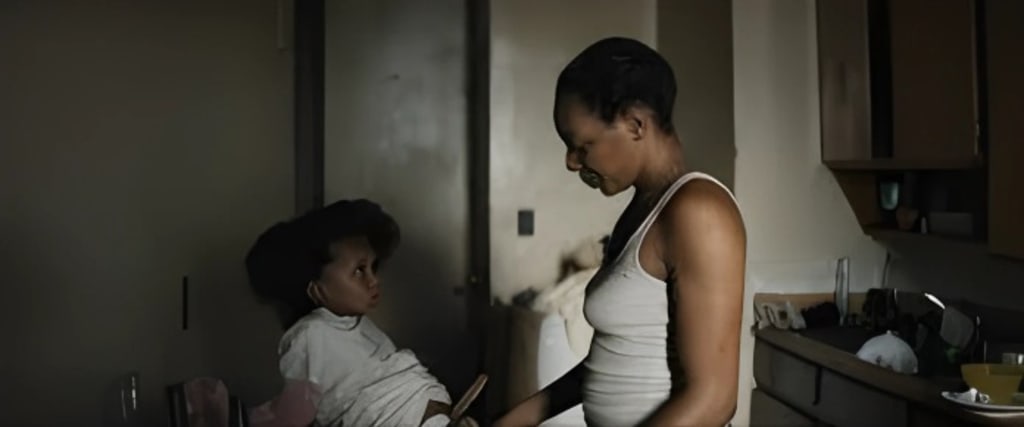
In a world dominated by fast-growing technology and weakened moral structures, the term “Sexual Poverty” is a dangerously ignored threat that continues to destroy the lives of countless young boys and girls. Behind smiling faces, school gates, religious centers, and even social platforms, there are predators watching—hunting for their next innocent victim. These criminals do not always wear masks or carry weapons. They often carry gifts, advice, and fake promises. And their prey is none other than our children.
But what is “Sexual Poverty”? How does it operate in the shadows of our homes, schools, and communities? And most importantly—how do we protect our children from it?
What is Sexual Poverty?
"Sexual Poverty" is a condition—not just of lack of wealth—but a lack of legal, moral, and emotional outlets for sexual needs. While economic poverty deals with hunger and shelter, sexual poverty refers to the frustration, isolation, and desperation of individuals who cannot fulfill their natural desires through proper, lawful means—especially marriage.
These people—men and women—begin to seek forbidden paths. Some turn to pornography, others toward manipulation, and the worst among them turn to children—the most vulnerable part of society. They are often people we know: coaches, teachers, neighbors, drivers, even relatives. They don’t need weapons; they use trust as their tool. They offer rides, buy candy, talk softly, show kindness—and then, step by step, they ruin lives.
The Hidden Hunt: How They Target Children
Predators are not always strangers. Many times, they are in our homes or near them. They observe weak families; parents too busy, too poor, or too careless. They look for children with low self-confidence, loneliness, or curiosity. Then they act.
Some of their methods include: Grooming: Slowly building trust over weeks or months. Gifts & Secrets: Offering presents and asking children not to tell their parents. Mentorship Tricks: Pretending to be spiritual guides or emotional supporters.
Online Contact: Through gaming, chatting apps, and fake profiles. Unfortunately, by the time the parents find out, the damage is already done.
How to Observe and Protect Our Children: As parents, guardians, and elders, we are not powerless. But protection begins with awareness. It is our job to be emotionally close, informed, and engaged in our children’s lives. Here’s what we must do:
1. Know Their Friends and Mentors
Always ask: Who are they spending time with? Do they have older friends? Why? What do they talk about? Is their mentor truly religious, or just wearing the mask?
2. Supervise Their Activities
Check their phone and online history regularly. Know where they go, and with whom. Don’t be blind in the name of “trust.” Children are innocent—not always wise.
3. Open Conversations
Create a safe space where your children can speak to you about anything—without fear or shame. Educate them about “bad touch” and “secret-keeping.” Let them know: Some secrets are dangerous.
4. Observe Their Behavior
Sudden silence, fear, change in routine, shame, or disobedience can be signals. Don’t ignore small signs. Investigate with love and wisdom.
5. Be There – Emotionally
A loved child is a protected child. Emotional distance from parents pushes children into the traps of fake “sympathy.”
The Islamic Perspective: A Divine Solution
Islam, with its unmatched wisdom, foresaw these social dangers. That’s why Islam does not promote long adolescence, unnecessary delays in marriage, or unrestricted mixing of genders. One of the most powerful hadiths of the Prophet Muhammad (peace be upon him) says:
“O young men, whoever among you can afford to get married, let him do so, for it is more effective in lowering the gaze and protecting the private parts…” (Sahih al-Bukhari)
Delaying marriage without purpose and burdening youth with unrealistic expectations only increases temptation—and eventually sin. Marrying our sons and daughters at the right time is not backwardness—it is safety, purity, and divine command. Instead of mocking marriage, mocking hijab, and mocking Islamic boundaries, we must promote them. Because it is these divine guidelines that protect the soul, the family, and the society.
About the Creator
Keramatullah Wardak
I write practical, science-backed content on health, productivity, and self-improvement. Passionate about helping you eat smarter, think clearer, and live better—one article at a time.
Keep reading
More stories from Keramatullah Wardak and writers in Families and other communities.
The Nephew of My Brother; Put Me in Trouble
Raising a child is never easy. But raising a child in a world full of expectations, criticism, and uninvited opinions—especially from those closest to you—can feel like walking barefoot on thorns. This is the story of me, a father, whose only intention was to shape a bright future for his son, but who ended up clashing with someone I never expected—my own brother.
By Keramatullah Wardak7 months ago in Families
Wise~Guys
— Look Behind what's in Front of You ~ Make Good Choices — Hey, So how you Doin'..! Made~Men — Mobster Movies romanticise a distinctive, elegant appearance, impeccable attire style, along with the 'Families' expressive lingo. Making their 'Bones' gave them Panache — with vintage fedoras, tailored pin-striped suits, mirror-polished wing-tip shoes adorned with tassels; with their 'Gun Moll' gorgeous dates on their arms.
By Jay Kantor16 days ago in Families
The quiet sound of families breaking
There is a kind of silence that is louder than any noise. It is the silence of a child waking in the night and realizing their parent is gone. It is the silence of a kitchen table with one chair suddenly empty. It is the silence of a home that still looks the same, but no longer feels the same. Across the United States, thousands of families live inside that silence. Not because of war. Not because of disaster. Not because of death. But because of policy.
By Kaylee Souther5 days ago in Families



Comments (1)
Good information