
Seniors: drinking too much water exposes you to neurological disorders
water

During hot weather, the elderly are particularly prone to hyponatremia, an imbalance that results in an excess of water in the cells and which can cause neurological disorders.
Drink plenty of water, avoid physical exertion, and stay cool... During a heatwave, no one can ignore these tips, which seem to be rather well understood by the French. Maybe even a little too much. According to the Minister of Health Agnès Buzyn, a quarter of the elderly admitted to the emergency room during the heatwave which has invaded France in recent days had hyponatremia. This disorder, linked to a sodium level in the body that is too low, can occur if you drink more than 3 or 4 liters of water per day. With the key to a risk of mental confusion that can last.
For our body to function properly, water, which represents about 60% of body weight (about 50% in the elderly) must be distributed as follows: two-thirds must be inside our cells and a third must be outside, that is, in the blood and interstitial fluid, which fills the space between cells and blood vessels.
A subtle balance
This balance is dependent on the amount of sodium (salt) in blood plasma (blood fluid in which blood cells are suspended). It is he who ensures the regulation of the passage of water from the blood to the cells. When you drink too much water, the amount of sodium will be diluted, its concentration will therefore decrease: this is hyponatremia. To increase the sodium level, part of the water will pass from the extracellular compartment to the interior of the cells, which leads to their hyperhydration.
This imbalance is likely to lead to neurological problems because the cells can no longer function properly. “The most fragile cells are those of the nervous system,” explains Professor Éric Pautas, a geriatrician at Charles Foix hospital in Ivry-sur-Seine (APHP). Drowsiness, impaired vigilance, and confusion can then occur and lead to falls. “This is even more true in the elderly who are frail, and in those already suffering from dementia”, he underlines. Hospitalization is often necessary and can last about ten days.
Drinking too much water and eating too little
“The kidney of a healthy young adult can support the consumption of 12 to 15 liters of water. In the elderly, drinking 3 to 4 liters of water will be enough to exceed the capacity of the kidney.
In periods of high heat, the elderly are particularly affected by hyponatremia. “One of the reasons is that they drink more water than they can eliminate,” explains Professor Pautas. Normally, the body is perfectly capable of eliminating this excess fluid through the kidneys. “The kidney of a healthy young adult can support the consumption of 12 to 15 liters of water per day. But in normal times, nobody drinks such a quantity, ”notes the geriatrician. But in the elderly, the aging of the kidneys makes these organs much less efficient. “Consuming 3 to 4 liters of water will be enough to exceed the capacity of their kidneys”, he underlines. Not to mention that with age, perspiration no longer works.
And if this excess hydration is added to salt or protein deficiencies, as can happen when you do not eat enough, this further accelerates the phenomenon. “These deficiencies can also be linked to pathologies,” adds Professor Pautas. But they can also be explained quite simply by the heatwave which "cuts off" hunger, or by the fact that some seniors can no longer cook their meals and are content with a very simple diet, a phenomenon called the " tea and toast” (tea and toast).
Beware of certain medications
Also be careful with certain medications, because hyponatremia does not only affect people who drink too much water. “Some may have normal water intake, underlines the doctor, but they take medication, often diuretics, which cause them to lose water and salt and lead to hyponatremia”. Diuretics are medications prescribed to treat high blood pressure, heart failure, and kidney failure. They promote urination, and therefore the elimination of salt. Neuroleptics and antidepressants can also promote hyponatremia.
To avoid this imbalance, it is, therefore, necessary to maintain a balanced and sufficient diet, advises the Ministry of Health. Meals should provide an amount of salt and it is best not to drink more than 1.5 liters of water per day, in addition to foods already rich in water.
About the Creator
Wise~Guys
— Look Behind what's in Front of You ~ Make Good Choices — Hey, So how you Doin'..! Made~Men — Mobster Movies romanticise a distinctive, elegant appearance, impeccable attire style, along with the 'Families' expressive lingo. Making their 'Bones' gave them Panache — with vintage fedoras, tailored pin-striped suits, mirror-polished wing-tip shoes adorned with tassels; with their 'Gun Moll' gorgeous dates on their arms.
By Jay Kantor19 days ago in Families
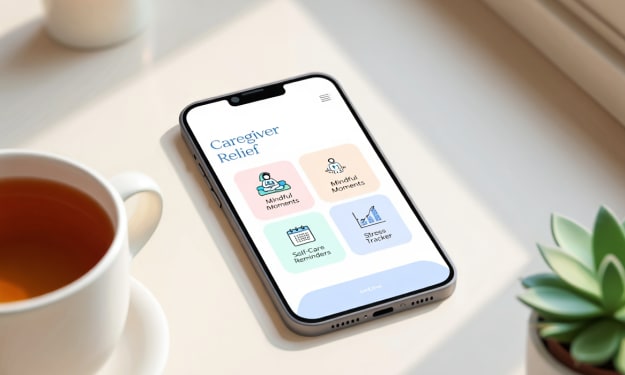
Caregiver Burnout Explained: Smart Apps That Reduce Stress and Save Time
That moment you blink awake and realize you’re already done for the day! It is indeed a worse feeling. The caregiving never takes a day off, even when you desperately need one. Over time, emotional pressure quietly builds. You manage appointments, emotions, and expectations, often without support. That steady weight leads many caregivers toward caregiver burnout, even when love stays strong. Technology now offers gentle help. Caregiver burnout apps for stress relief supports you through demanding days.
By Centre of Healing Minds4 days ago in Families



Comments
There are no comments for this story
Be the first to respond and start the conversation.