
Caregiver Burnout Explained: Smart Apps That Reduce Stress and Save Time
Practical Tech for Caregivers: Apps That Reduce Burnout and Mental Load

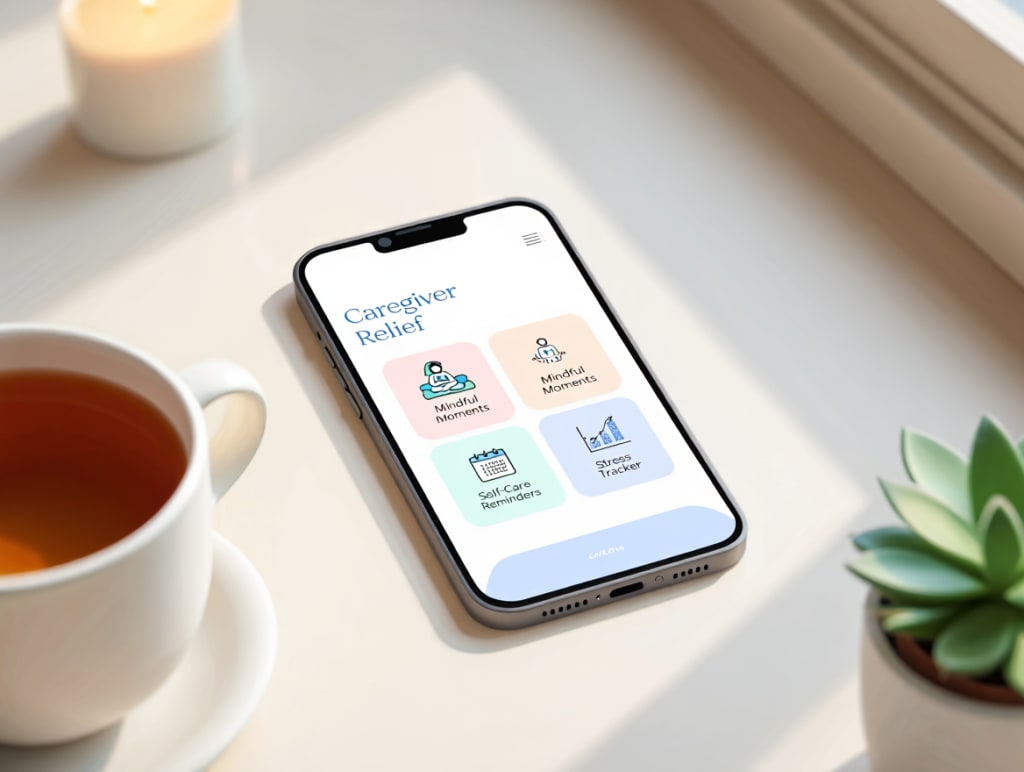
That moment you blink awake and realize you’re already done for the day! It is indeed a worse feeling. The caregiving never takes a day off, even when you desperately need one. Over time, emotional pressure quietly builds. You manage appointments, emotions, and expectations, often without support. That steady weight leads many caregivers toward caregiver burnout, even when love stays strong. Technology now offers gentle help. Caregiver burnout apps for stress relief supports you through demanding days.
What is caregiver burnout?
Burnout settles in without warning lights. All that constant responsibility piles up until you’re frustrated, detached, or exhausted. And because it’s wrapped in love and duty, you usually don’t see it coming. Recognizing it early allows healing to begin. Digital tools help you notice patterns before exhaustion deepens.
The Evolving Support System for Modern Caregiving
Caregiving once depended on memory, handwritten notes, and constant mental effort. Over time, that system often increased stress instead of easing it. Nowadays, technology is changing the way you handle health care, with less strain. The tech tools now manage appointments, reminders, and other updates all in one spot. This system helps avoid the emotional stress that can lead with caregiver burnout. Small moments of clarity begin to appear again.
These tools also support a holistic caregiving approach. They respect your emotional health alongside daily responsibilities. You track care needs while protecting personal energy. As stress reduces, focus improves naturally. Technology no longer dictates your pace. Instead, it walks beside you, offering support without judgment or urgency.
Mobile Apps
Caregiving feels like steady support, yet it often stretches your energy in quiet ways. Simple reminders once helped, but daily pressure still grows. Today, caregiver burnout apps for stress relief bring more than alerts. They offer organization, emotional grounding, and shared support without overwhelming you.
CareZone – Task Management and Reminders
What makes CareZone useful is how simple it feels to use. You can track medications, save health information, and set reminders without overthinking it. The shared calendar keeps everyone informed, which helps families work together instead of guessing. Having one place for everything brings a sense of control back into daily routines.
Headspace – Emotional Support and Stress Relief
A lot of caregivers face an emotional burden that comes as a surprise. Headspace is a stress-reduction program that focuses on offering short, focused mindful sessions. The sessions allow you to breathe through stress and refresh your emotional state. When caregiving feels heavy, Headspace encourages reflection without pressure. It becomes a quiet companion during breaks, helping you notice your own needs too.
CaringBridge – Communication and Shared Care Updates
You know how hard it feels to update everyone through calls and messages. CaringBridge offers a shared space to post updates and coordinate care. You post once, and everyone stays informed. That simple step lightens communication stress. CaringBridge creates connection and reduces repetitive explanations, which often drain your energy.
Together, these tools support you in complementary ways. They help manage day-to-day care while nurturing emotional balance. With thoughtful use, they become part of your steady routine, not another task to complete.
Digital Resources
Digital platforms extend support beyond daily tasks. Online resources explain caregiving challenges in clear language. You understand conditions better, which reduces emotional strain. Many platforms offer quiet community spaces. Seeing what other caregivers have to say is like a gentle hug. Many of these digital resources can guide you with links or suggestions, indirectly helping you search for therapist near me. This accessibility removes hesitation and makes emotional care feel closer.
Challenges for Caregivers
Technology can be a great source of relief. It can also bring new issues. Caregivers, at times, get overwhelmed by the constant notification and updates. Every alert demands attention, even during emotional moments. The ongoing duty and overloaded notifications can cause anxiety instead of clarity. Over time, this creates stress and raises the likelihood of burnout among caregivers, particularly when the tools are overwhelming rather than helpful.
Senior caregivers face a new challenge. Small screens can strain the eyes, while menus that are complex can be complicated. Learning new tools takes patience and confidence, which does not always come easily. Fear of making mistakes often discourages regular use. As a result, helpful technology sometimes sits unused, even when support feels necessary.
Privacy concerns also shape how caregivers use digital tools. Many worry about sharing personal or health information online. Trust builds slowly when platforms remain simple and transparent. When apps respect user comfort and limits, they truly help. Thoughtful choices still ease daily pressure and restore balance.
Key Features of Leading Caregiving Apps
The most effective platforms focus on simplicity. You understand them quickly, even during stressful moments. Leading apps organize tasks clearly and store essential information securely. Many integrate emotional tracking, which supports awareness.
Several caregiver burnout apps for stress relief include calming exercises that fit short breaks. Platforms recognized as best caregiving apps adapt easily to changing routines. Some also integrate access to therapist near me searches, which helps reduce the emotional barrier to seeking assistance.
Benefits of Using Caregiving Apps
Caregiving apps step in quietly, yet their impact feels steady and real. They support your routine without forcing structure, helping you move through demanding days with less strain.
Reduced Mental Clutter and Clear Focus
The stress of caring for someone else can fill your head with multiple tasks and frequent reminders. Apps help organize those thoughts into one clear space. You track appointments, medications, and notes without relying on memory alone.
This clarity reduces mental clutter and lowers daily stress. With fewer loose ends, you focus better and feel more present. Over time, this organization protects you from emotional overload linked to caregiver burnout.
Shared Support and Stronger Connections
Caregiving feels isolating when everything rests on you. Shared access features invite trusted people into the process. Family members stay updated without repeated explanations. That teamwork eases emotional pressure and builds reassurance. You no longer carry responsibility alone. The shared rhythm helps create balance and a feeling of connectedness during the long hours of caregiving.
Emotional Awareness and Personal Care
A lot of apps prompt you to stop to check in with your own feelings. Tracking your emotions can reveal patterns that you may not notice otherwise. These moments encourage reflection instead of self-neglect. Over time, consistent emotional support improves sleep and reduces tension. Technology also validates your role. It recognizes caregiving as meaningful, demanding work. That recognition brings quiet comfort, especially on days when appreciation feels scarce.
A Thoughtful Closing Reflection
Caregiving reshapes your days and emotions. It teaches patience while draining energy. You deserve support that respects your pace. Technology now offers that support quietly and consistently. It organizes when thoughts feel scattered. It helps when feelings are too heavy. Use tools to lighten the burden instead of adding more pounds. The best caregiving happens when it involves care for you as well.
FAQs
What is caregiver burnout?
Caregiver burnout refers to physical and mental fatigue. It causes due to prolonged period of caring tension. It can make you feel stressed. Early recognition of this can help protect your longer-term mental health.
How long does caregiver burnout last?
Why use caregiving apps?
Caregiving apps simplify daily responsibilities. Many rank among the best caregiving apps because they reduce mental strain. They support routines while encouraging shared responsibility.
How do apps reduce stress?
Many caregiver burnout apps for stress relief offer calming tools. They include breathing exercises as well as checks on emotional state. Such features support balance during overwhelming moments.
Where can I find emotional support?
Digital platforms guide you toward therapy for caregiver burnout. Many include discreet therapist near me search options. This access feels manageable during busy caregiving days.
How to choose the right app?
The best caregiving apps focus on simplicity. They adapt to your daily routine and emotional requirements. Pick tools that feel comfortable and not overwhelming.
About the Creator
Centre of Healing Minds
Centre of Healing Minds provides Dialectical Behaviour Therapy Mississauga to help individuals manage intense emotions, improve relationships, and build coping skills. Our compassionate therapists use evidence-based DBT techniques support.
Keep reading
More stories from Centre of Healing Minds and writers in Families and other communities.
What Actually Helps Manage Work Stress?
The day usually starts with a calm and peaceful attitude. But the load of responsibilities gradually grows until one's mind gets exhausted. Work routines gather speed, expectations shift without warning, and emotional strain starts building quietly. Many people notice these patterns long before the burnout symptoms feel familiar, yet the signs continue to grow.
By Centre of Healing Minds3 months ago in Families
How Much Does Memory Care Cost in the U.S.? Average Monthly Prices Explained
With the onset of memory loss in a loved one as a result of some conditions such as dementia or Alzheimer disease, families tend to start to seek specialized care services. The first question that one would want to have answered when undergoing this process is very basic, yet significant, and that is how much is the cost of memory care?
By Patrica Overton7 days ago in Families




Comments