


In order for pregnancy to occur after sexual intercourse, sperm must travel up the vagina, through the cervical opening, upwards through the uterus, and into one of the two fallopian tubes where an egg may be located. Contraceptives, or birth control, consist of various methods to prevent pregnancy and sometimes, sexually transmitted infections (STIs). The development and use of contraceptives have played a key role in enabling individuals and couples to manage their reproductive health and family planning. The wide range of contraceptive options available today caters to diverse needs, preferences, and health considerations, reflecting advances in medical science and changes in societal views on reproductive rights. Contraceptives are designed to prevent this process through various means. They can block sperm, disable sperm before reaching the uterus, or suppress ovulation.

HOW DO CONTRACEPTIVES WORK?
Contraceptives like male and female condoms create a barrier preventing sperm from entering the vaginal space, which also helps in preventing the transmission of certain sexually transmitted diseases. Other methods like the diaphragm, cervical cap, and sponge are placed over the cervix, blocking the entrance to the uterus. These are known as barrier methods and can be used with spermicides, which immobilize and destroy sperm.
Spermicides are available in different forms such as foam, cream, jelly, and suppositories and are inserted into the vagina before intercourse. They can also be used in combination with other methods like a diaphragm or condom for added protection. Hormonal contraceptives, such as the pill, patch, Depo shot, and vaginal ring, release synthetic hormones to suppress ovulation and make it difficult for sperm to reach the egg.
There are also intrauterine devices (IUDs) that contain synthetic hormones to suppress ovulation and copper to disable sperm and hinder egg implantation. Contraceptives may use a combination of blocking, disabling, and suppressing methods for enhanced effectiveness.
The effectiveness of contraceptives varies depending on how correctly they are used. For example, male condoms are about 98% effective with perfect use, but in practice, they are about 82% effective. Hormonal methods like the patch and pill are 99% effective with perfect use, but about 91% effective in practice. Spermicides have an efficacy of 85% with perfect use and 71% with typical use.
ACCESSIBILITY
Access to contraceptives remains a significant issue globally due to cultural, economic, and policy barriers, despite their benefits. In low-resource settings, challenges such as limited availability of methods, lack of education, and stigma hinder effective family planning. To address these issues, comprehensive strategies are necessary, including education and awareness campaigns, improving healthcare infrastructure, and advocating for policies supporting reproductive rights. It is imperative that efforts be made to overcome these obstacles and ensure access to contraceptives for all individuals, regardless of their background or location. Only through a multi-faceted approach can we make significant progress in promoting family planning and reproductive health.
It is important to consider side effects when choosing a contraceptive method, as they are more likely to affect women than men. Hormonal methods can cause symptoms like headaches, nausea, and high blood pressure, which can vary from person to person. Due to these potential side effects, hormonal methods require a prescription from a doctor.
WHEN YOU'RE READY TO CONCEIVE
Preparing your body for pregnancy after using contraceptives involves key steps. First, discontinue your contraceptive method correctly, whether it's hormonal or device-based. Allow your menstrual cycle to return naturally, tracking it diligently.
Undergo a preconception checkup to ensure optimal health for pregnancy. Start taking prenatal vitamins with folic acid and maintain a healthy lifestyle.
Be patient, as conception may take time. If not successful within a year (or six months if over 35), seek advice from a fertility specialist.
CONCLUSION
Choosing a contraceptive method is a personal decision and what works best may change over time. Scientists are continually researching new methods, such as a male pill to prevent sperm production. In the meantime, there are various options available to block sperm, disable them, or suppress egg release for preventing pregnancy.
About the Creator
David Kpentey
I am a young man on an adventure to discover the world. Join me.
Keep reading
More stories from David Kpentey and writers in Families and other communities.
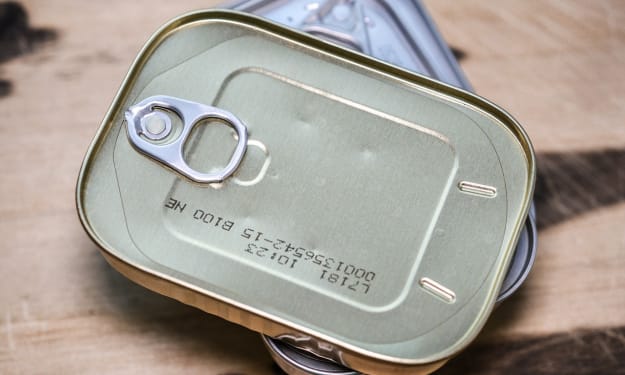
Expiry dates?
Understanding concepts like expiry dates, best before dates, and food wastage is crucial for food safety and sustainability. Expiry dates on perishable items like dairy and meat indicate the last day the product is safe to consume. Consuming food past this date can lead to health risks due to bacterial growth. Best before dates on less perishable items like canned goods and dry products suggest when the product will be at its best quality, such as peak flavor or texture. However, it may still be safe to eat after this date if stored properly.
By David Kpenteyabout a year ago in Education
Wise~Guys
— Look Behind what's in Front of You ~ Make Good Choices — Hey, So how you Doin'..! Made~Men — Mobster Movies romanticise a distinctive, elegant appearance, impeccable attire style, along with the 'Families' expressive lingo. Making their 'Bones' gave them Panache — with vintage fedoras, tailored pin-striped suits, mirror-polished wing-tip shoes adorned with tassels; with their 'Gun Moll' gorgeous dates on their arms.
By Jay Kantor23 days ago in Families
🅼🅸🅳🅽🅸🅶🅷🆃 🆂🅽🅰🅲🅺🆂
"It's 10 in Tuscon! We all know what that means... It's Time for Midnight Snacks with your man, Gerald Gee! Ready to spend the night together? Me too! I'm full of snacks and can't wait to regurgitate them all back into your hungry ears. Crack a brew! Pop some corn! Anything to get ready for one hell of a show where the talk maybe cheap but the words cut deep...
By Lamar Wigginsa day ago in Fiction



Comments (1)
Excellent piece