
Pongal in Tamil Nadu: A Festival of Harvest, Gratitude, and Joy
Celebrating the Rich Cultural Tapestry of Tamil Nadu through Pongal

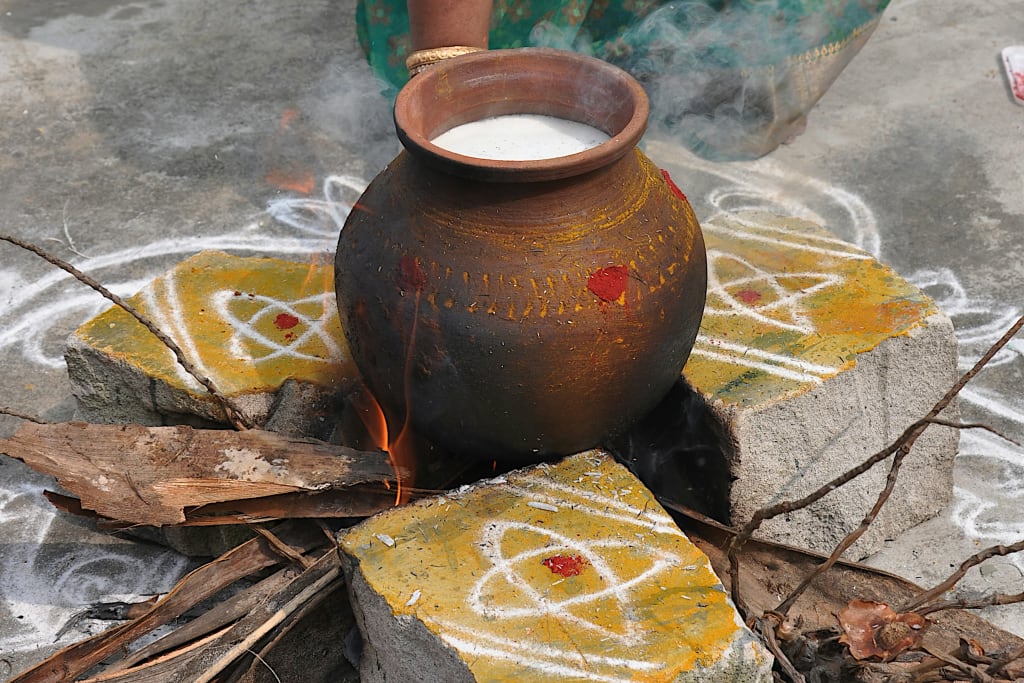
The state of Tamil Nadu comes alive every January with vibrant colors, joyous celebrations, and an air of gratitude as it celebrates Pongal, the harvest festival. Rooted in agrarian traditions and cultural pride, Pongal is more than just a festival—it’s a thanksgiving to nature, a time for families to reunite, and a reflection of Tamil Nadu's deeply ingrained respect for its heritage.
The Essence of Pongal: A Harvest Festival with a Soul
Pongal, celebrated over four days, usually falls in the Tamil month of Thai (January-February). This period marks the sun's journey northward, known as Uttarayanam, which is considered auspicious in Indian traditions. For Tamil farmers, it signals the end of a season of hard work and the beginning of a period of prosperity.
The word "Pongal" literally means "to boil over" and refers to the traditional dish of sweetened rice and lentils made with freshly harvested ingredients. The overflowing pot of Pongal symbolizes abundance and prosperity—a fitting tribute to the festival’s theme.
Day 1: Bhogi—Clearing the Old, Welcoming the New
The celebrations begin with Bhogi, a day dedicated to letting go of the old and making way for the new. Villages and cities alike witness the lighting of bonfires fueled by old household items, symbolizing the burning away of negativity and past burdens.
In Tamil Nadu, children participate with unbridled excitement, gathering firewood and decorating their homes with intricate kolams (rangoli designs) made from rice flour. Houses are cleaned meticulously, walls are whitewashed, and the spirit of renewal fills the air.
Day 2: Thai Pongal—A Feast of Gratitude
The second day, Thai Pongal, is the heart of the festival. On this day, the sun god, Surya, is honored with offerings of freshly cooked sakkarai pongal, a sweet dish made with rice, jaggery, milk, and ghee. Traditionally, this dish is prepared in earthen pots on an open fire, with families gathered around, chanting "Pongalo Pongal" as the pot boils over—a moment of communal joy.
Farmers clean their fields and decorate their cattle, which are considered sacred for their role in agriculture. Women wear traditional silk sarees, and men don crisp veshtis, adding to the visual splendor of the occasion.
The highlight of Thai Pongal is the communal sense of gratitude. Families visit temples to offer prayers and exchange gifts, and the sound of nadaswarams (traditional wind instruments) fills the air, setting a serene tone for the festivities.
Day 3: Mattu Pongal—Honoring the Sacred Cattle
On the third day, Mattu Pongal, the focus shifts to the animals, particularly cows and bulls, which play a vital role in farming. Cattle are bathed, their horns are painted, and they are adorned with garlands and bells. They are worshiped and offered delicacies like bananas, sugarcane, and pongal.
The rural charm of Tamil Nadu shines brightest on this day with traditional events like jallikattu, the bull-taming sport. Though controversial, this ancient practice holds deep cultural significance, symbolizing strength, valor, and the symbiotic relationship between humans and animals.
Mattu Pongal also fosters a spirit of camaraderie among the community. Villagers gather for a grand feast, share stories, and celebrate the fruits of their labor with laughter and song.
Day 4: Kaanum Pongal—A Day of Togetherness
The final day, Kaanum Pongal, is all about social bonding. Families pack picnics and visit riversides, beaches, or parks, enjoying sumptuous meals together. In urban areas, families often meet at their ancestral homes, reconnecting with their roots.
Kaanum Pongal is also a time to exchange gifts and blessings. Elders give younger members of the family money and tokens of love. The tradition of feeding birds and animals continues, symbolizing Tamil Nadu’s deep respect for all forms of life.
The Sights and Sounds of Pongal
Pongal is as much a visual spectacle as it is a cultural one. Streets are adorned with vibrant kolams, intricate designs created with rice flour, symbolizing welcoming prosperity. These designs often feature motifs like the sun, sugarcane, and pots overflowing with pongal, reflecting the festival’s essence.
Sugarcane stalls line the roads, and the aroma of freshly harvested rice and jaggery fills the air. Folk dances like karagattam and poikkal kuthirai are performed in villages, showcasing Tamil Nadu’s artistic heritage. The sound of drums and nadaswarams creates an electrifying atmosphere that transcends boundaries of age and location.
Pongal in Urban Tamil Nadu
While Pongal remains deeply rooted in rural traditions, cities like Chennai and Coimbatore add their unique twist to the celebrations. Urban families, though removed from direct farming practices, celebrate with equal fervor. Special Pongal-themed events, cultural programs, and food festivals are organized, bringing the essence of the village into the bustling cityscape.
Shopping malls host traditional games, and eateries serve authentic Pongal feasts, ensuring that even city dwellers remain connected to their cultural heritage.
Pongal Beyond Tamil Nadu
The festival's charm has transcended Tamil Nadu’s borders, resonating with Tamil communities worldwide. Be it in Malaysia, Singapore, or the United States, Pongal is celebrated with the same enthusiasm, bringing expatriates closer to their roots. International Tamil communities organize temple events, traditional feasts, and cultural programs, spreading the joy of Pongal far and wide.
A Festival for All Ages
What makes Pongal truly special is its inclusivity. For elders, it’s a time to recount tales of old, passing down traditions to the younger generation. For children, it’s a festival of fun—flying kites, helping prepare kolams, and enjoying the festivities with unbridled enthusiasm. For everyone, it’s a reminder of the importance of gratitude and community.
The Deeper Significance of Pongal
At its core, Pongal is a festival of gratitude—towards the land, the sun, the animals, and the people who make the harvest possible. It’s a celebration of life’s simplicity, a time to pause and appreciate the interconnectedness of nature and humanity.
In an increasingly fast-paced world, Pongal serves as a reminder to slow down, reconnect with traditions, and cherish the bonds that tie us to our roots.
Conclusion: The Spirit of Pongal
Pongal is more than just a harvest festival—it’s a celebration of Tamil Nadu’s culture, its people, and their unwavering connection to the land. With its vibrant rituals, communal feasts, and heartfelt gratitude, Pongal brings together families, communities, and even strangers in a shared celebration of life and abundance.
As the festival approaches, the spirit of Pongal beckons everyone to partake in its joy and revel in the timeless traditions of Tamil Nadu. Whether in a bustling city or a quiet village, the essence of Pongal remains the same: a joyous celebration of gratitude, prosperity, and togetherness.
About the Creator
John Son
Hi, I'm Johnson, a storyteller at Vocal Media. I specialize in horror, thriller, love, and comedy. Come explore my diverse stories.
Follow on Instagram --> Click here..
Follow my You Tube Channel --> Click here..
Wise~Guys
— Look Behind what's in Front of You ~ Make Good Choices — Hey, So how you Doin'..! Made~Men — Mobster Movies romanticise a distinctive, elegant appearance, impeccable attire style, along with the 'Families' expressive lingo. Making their 'Bones' gave them Panache — with vintage fedoras, tailored pin-striped suits, mirror-polished wing-tip shoes adorned with tassels; with their 'Gun Moll' gorgeous dates on their arms.
By Jay Kantor19 days ago in Families




Comments
There are no comments for this story
Be the first to respond and start the conversation.