
Miscarriage: it can be lead to death ?
Introduction,causes,reasons,symptoms...etc

I. Introduction
Miscarriage :
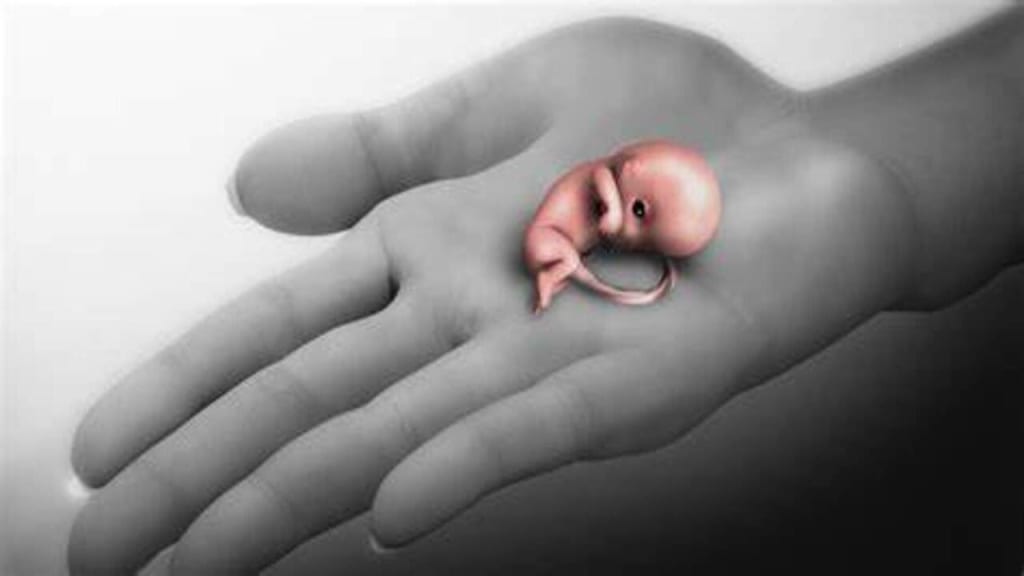
A miscarriage is the loss of a pregnancy before the 20th week. It is a difficult and emotional experience for the affected individuals and their families. The cause of a miscarriage can be varied and is not always clear, but some common reasons include chromosomal abnormalities, hormonal imbalances, and underlying health conditions. It is important for those who have experienced a miscarriage to seek support from loved ones and healthcare professionals, as well as to take care of their physical and mental health. Grieving the loss of a pregnancy is a normal process and there is no right or wrong way to do so.
Occurrence before 20 weeks of pregnancy :
During a miscarriage, women may experience physical pain and discomfort. The intensity of the pain can vary, but it is often described as cramping, similar to menstrual cramps. In some cases, the pain can be severe and require medical intervention. Some women may also experience heavy bleeding and discharge during a miscarriage. It is important to seek medical attention if you are experiencing pain or discomfort during a miscarriage, as this can help manage symptoms and ensure proper healing. Pain management options can include over-the-counter pain medication, prescription medication, or other treatments recommended by a healthcare professional.
Common reasons for miscarriage :
* Chromosomal abnormalities: Issues with the chromosomes in the developing fetus can lead to a miscarriage.
* Hormonal imbalances: Hormonal issues can affect the implantation and growth of a pregnancy.
* Uterine abnormalities: Structural issues with the uterus can make it difficult for a pregnancy to develop and sustain.
* Infections: Certain infections, such as sexually transmitted infections, can increase the risk of a miscarriage.
* Autoimmune disorders: Chronic health conditions, such as lupus or antiphospholipid syndrome, can increase the risk of miscarriage.
*Lifestyle factors: Substance abuse, smoking, and high levels of stress can increase the risk of miscarriage.
*Advanced maternal age: As a woman ages, her risk of experiencing a miscarriage increases.
It is important to note that many miscarriages occur without a clear cause
2. Causes of Miscarriage
A. Chromosomal abnormalities :
Chromosomal abnormalities are a common cause of miscarriage. Chromosomes are the structures within a cell that carry genetic information. When a pregnancy experiences a chromosomal abnormality, it means there is a problem with the number or structure of the chromosomes in the developing fetus. This can result in serious health issues for the fetus and make it difficult for the pregnancy to continue. Chromosomal abnormalities can occur naturally, but they can also be the result of advanced maternal age, exposure to certain chemicals or toxins, or other underlying health conditions.
B. Hormonal imbalances :
Hormonal imbalances can also cause a miscarriage. Hormones play a crucial role in regulating the processes of pregnancy, and imbalances can disrupt these processes and lead to complications. Hormonal imbalances can be caused by a variety of factors, such as thyroid disorders, polycystic ovary syndrome (PCOS), and adrenal gland disorders. Additionally, certain medications or treatments, such as chemotherapy, can also cause hormonal imbalances that lead to a miscarriage. It's important to manage any underlying hormonal conditions and work closely with a healthcare provider to minimize the risk of a miscarriage.
C. Infections :
Infections can also cause a miscarriage. Some infections, such as rubella, cytomegalovirus, and parvovirus B19, can harm the developing fetus and increase the risk of miscarriage. These infections can be transmitted from the mother to the fetus and cause serious health problems. Other infections, such as bacterial vaginosis and chlamydia, can cause inflammation and damage to the cervix, uterus, and fallopian tubes, which can increase the risk of miscarriage. It's important to get regular prenatal care, including screening for and treating infections, to minimize the risk of a miscarriage.
III. Symptoms of Miscarriage :
A. Vaginal bleeding :
Vaginal bleeding is a common symptom of a miscarriage. It can range from light spotting to heavy bleeding and can occur before or after the loss of the pregnancy. It's important to keep in mind that some women may also experience vaginal bleeding during a healthy pregnancy, so it's crucial to seek medical attention to determine the cause of the bleeding. If the bleeding is heavy or accompanied by cramping or the passing of tissue or clots, it may be a sign of a miscarriage and prompt medical attention is necessary.
B. Cramping :
Cramping is another common symptom of a miscarriage. It can range from mild to severe and may feel similar to menstrual cramps. The cramping can occur along with or after vaginal bleeding and may last several hours or several days. It's important to seek medical attention if cramping is experienced, as it can be a sign of a miscarriage or other pregnancy complications. A doctor can perform tests to determine the cause of the cramping and provide appropriate treatment.
C. Passing of tissue or clots :
The passing of tissue or clots can be a sign of a miscarriage. It can occur along with or after vaginal bleeding and cramping. The tissue or clots may be small or large and can vary in appearance depending on the stage of the pregnancy. It's important to seek prompt medical attention if any tissue or clots are passed, as a doctor can perform tests to determine the cause and provide appropriate treatment. It's also important to keep any passed tissue or clots for examination by a healthcare provider.
3.Conclusion :
Importance of seeking medical attention in case of symptoms:
Seeking medical attention in case of symptoms is important for several reasons. Firstly, a doctor can perform tests to determine the cause of the symptoms and determine if a miscarriage has occurred or if there are other complications with the pregnancy. Secondly, if a miscarriage has occurred, prompt medical attention can help ensure that any remaining pregnancy tissue is safely and effectively removed, reducing the risk of infection and future complications. Thirdly, a healthcare provider can provide appropriate treatment for any physical and emotional symptoms and offer support and guidance on next steps. Lastly, seeking medical attention can help provide peace of mind and ensure that the health and wellbeing of both the mother and the fetus are being monitored and cared for.
About the Creator
Keep reading
More stories from writers in Families and other communities.
Wise~Guys
— Look Behind what's in Front of You ~ Make Good Choices — Hey, So how you Doin'..! Made~Men — Mobster Movies romanticise a distinctive, elegant appearance, impeccable attire style, along with the 'Families' expressive lingo. Making their 'Bones' gave them Panache — with vintage fedoras, tailored pin-striped suits, mirror-polished wing-tip shoes adorned with tassels; with their 'Gun Moll' gorgeous dates on their arms.
By Jay Kantor24 days ago in Families
🅼🅸🅳🅽🅸🅶🅷🆃 🆂🅽🅰🅲🅺🆂
"It's 10 in Tuscon! We all know what that means... It's Time for Midnight Snacks with your man, Gerald Gee! Ready to spend the night together? Me too! I'm full of snacks and can't wait to regurgitate them all back into your hungry ears. Crack a brew! Pop some corn! Anything to get ready for one hell of a show where the talk maybe cheap but the words cut deep...
By Lamar Wiggins2 days ago in Fiction
Thoughts on Vocal and the way the world is
"Death cannot stop true love, only delay it." – Wesley in The Princess Bride. I decided to come back to Vocal on a very cold and dark night at the end of December. I had been, and still am, convalescing from a horrible staph infection that had gone misdiagnosed for months. This, paired with the increasing challenges of being healthy, making the best choices for my co-parented child, being a wife, and being a director at a new job, was a lot to manage.
By Jazzy 6 days ago in Confessions



Comments
There are no comments for this story
Be the first to respond and start the conversation.