
MENTAL HEALTH TIPS FOR TEENS:
NAVIGATING STRESS AND ANXIETY

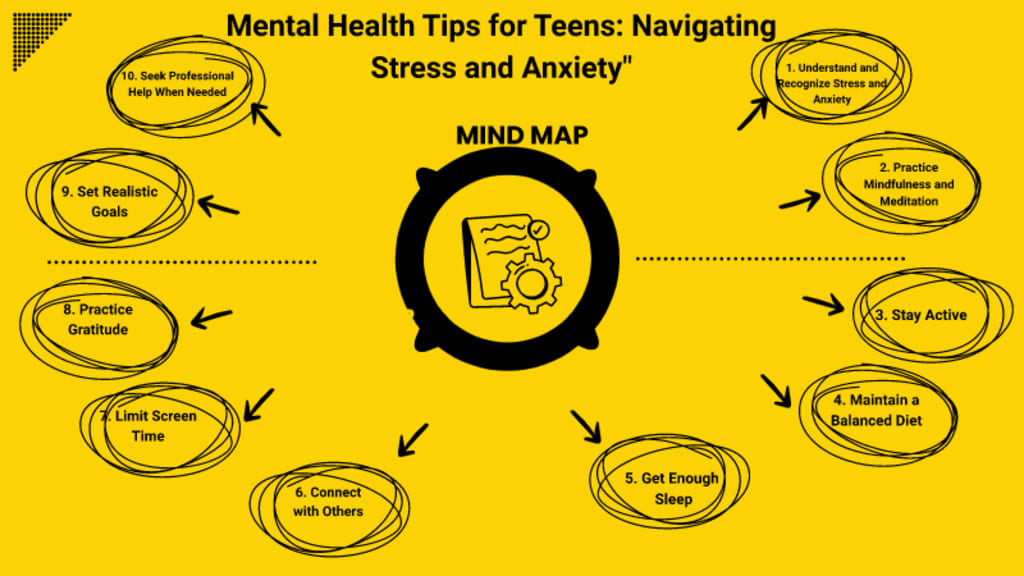
In today's digital age, teens face unprecedented levels of stress and anxiety. Academic pressures, social media, family expectations, and the quest for self-identity all contribute to mental health challenges. Navigating these turbulent waters requires effective strategies and a supportive environment. Here are some mental health tips for teens to help them manage stress and anxiety, along with real-life examples and scenarios to make these tips more relatable.
1. Understand and Recognize Stress and Anxiety: Recognizing the signs of stress and anxiety is the first step in managing them. Common symptoms include restlessness, irritability, difficulty concentrating, and physical symptoms like headaches or stomachaches. Understanding these signs helps teens address their feelings proactively.
Real-life Scenario: Emily, a high school sophomore, noticed she was constantly anxious about her grades. She felt a knot in her stomach every time she thought about exams. Recognizing these symptoms, Emily spoke to her school counselor, who helped her understand that her anxiety was related to academic pressure.
2. Practice Mindfulness and Meditation: Mindfulness and meditation can significantly reduce stress and anxiety by promoting relaxation and a sense of well-being. Practicing mindfulness involves being present in the moment and fully engaging with your surroundings.
Real-life Example: Jake, a 15-year-old, started practicing mindfulness to cope with the stress of balancing schoolwork and extracurricular activities. He used the Headspace app to meditate for 10 minutes daily. Over time, he noticed a reduction in his anxiety levels and improved concentration in class.
3. Stay Active: Regular physical activity is essential for mental health. Exercise releases endorphins, which are natural mood lifters. Teens should aim for at least 30 minutes of physical activity each day.
Real-life Scenario: Samantha, a high school athlete, felt overwhelmed during the off-season. She decided to join a local running club to stay active. The physical exercise and social interaction helped her manage stress better.
4. Maintain a Balanced Diet: Eating a balanced diet rich in fruits, vegetables, lean proteins, and whole grains can boost mood and energy levels. Avoiding excessive sugar and caffeine is crucial, as they can lead to mood swings and anxiety.
Real-life Example: Carlos, who struggled with mood swings, noticed a significant improvement in his mood after switching to a balanced diet. He started incorporating more fruits, vegetables, and whole grains into his meals and cut down on sugary snacks.
5. Get Enough Sleep: Quality sleep is essential for mental health. Teens should aim for 8-10 hours of sleep each night. Establishing a regular sleep routine can help improve sleep quality.
Real-life Scenario: Lily, a junior in high school, struggled with insomnia due to stress about college applications. She started following a bedtime routine that included reading and avoiding screens an hour before bed. Gradually, her sleep improved, and she felt more rested
6. Connect with Others: Social connections are vital for mental well-being. Spending time with friends and family can provide emotional support and reduce feelings of loneliness.
Real-life Example: Tom felt isolated during his first year of high school. He joined the drama club, where he made new friends and felt more connected. The support from his peers helped him manage his anxiety better.
7. Limit Screen Time: Excessive screen time, especially on social media, can negatively impact mental health. Setting boundaries for screen time and engaging in offline activities can help reduce stress and anxiety.
Real-life Scenario: Ava, a 16-year-old, noticed she felt more anxious after spending hours on social media. She decided to limit her screen time and started painting as a hobby. This offline activity helped her relax and reduced her anxiety.
8. Practice Gratitude: Gratitude can enhance mental well-being by shifting focus from negative to positive aspects of life. Keeping a gratitude journal can help teens develop a positive mindset.
Real-life Example: Michael started writing down three things he was grateful for each day. This simple practice helped him appreciate the good things in his life and reduced his stress levels.
9. Set Realistic Goals: Setting achievable goals can give teens a sense of purpose and accomplishment. Breaking down larger goals into smaller steps can make them more manageable and less overwhelming.
Real-life Scenario: Nina felt overwhelmed by her goal of getting into a top university. She broke down this goal into smaller tasks, like improving her grades, participating in extracurricular activities, and researching colleges. This approach made her goal feel more attainable.
10. Seek Professional Help When Needed: There is no shame in seeking professional help if stress and anxiety become overwhelming. Therapists, counselors, and mental health professionals can provide valuable support and guidance.
Real-life Example: After struggling with anxiety for months, Jordan decided to see a therapist. The therapy sessions helped him develop coping strategies and better understand his emotions.
Conclusion: Navigating stress and anxiety as a teen can be challenging, but with the right strategies, it's possible to manage and improve mental health. By practicing mindfulness, staying active, maintaining a balanced diet, and seeking support from friends, family, and professionals, teens can build resilience and lead healthier, happier lives. Remember, it's essential to prioritize mental well-being and take proactive steps to manage stress and anxiety effectively.
By incorporating these tips into daily life, teens can create a solid foundation for mental health and well-being, paving the way for a brighter future. Start today, and take small steps toward a more positive and resilient mindset.
About the Creator
Abubakar Bala
Sociologist, an entrepreneur, computer analyst, computer engineer, contents creator, blogger, e-commerce operator website developer, affiliate marketer, and social media enthusiast. A veteran of Nigerian army with decades of experiences.
Keep reading
More stories from Abubakar Bala and writers in Families and other communities.
TIPS FOR BOOSTING YOUR MENTAL HEALTH
10 Demonstrated Ways to Help Your Psychological Wellness Every Day In today's fast-paced world, maintaining psychological wellness is crucial for overall well-being. Daily stressors can negatively affect our minds, leading to anxiety, depression, and burnout. However, integrating simple yet effective habits into your routine can significantly boost your mental health. Here are ten proven tips to enhance your psychological well-being every day.
By Abubakar Balaabout a year ago in Motivation
Christmas Abroad: Celebrating the Holidays Without Family
I moved to South Korea in 2017. I was twenty-two years old and excited to start my career as an English Second Language Teacher. With a Bachelor's degree and six hundred dollars in my bank account, I set off for Busan.
By Kera Hollow29 days ago in Families
How Can You Stay Safe While Traveling in Punta Cana?
Traveling should feel exciting, not stressful, and when Punta Cana is on your list, safety is usually one of the first things you think about. I have learned that feeling secure while traveling is not about fear, it is about awareness and smart choices that let you fully enjoy the experience.
By Amanda Glen5 days ago in Families


Comments (3)
Well written
Thanks for sharing
Cleverly done it.