
Memory Care: What It Is and How It Helps Seniors
The care of seniors extends beyond physical requirements. Memory loss develops as people grow older.

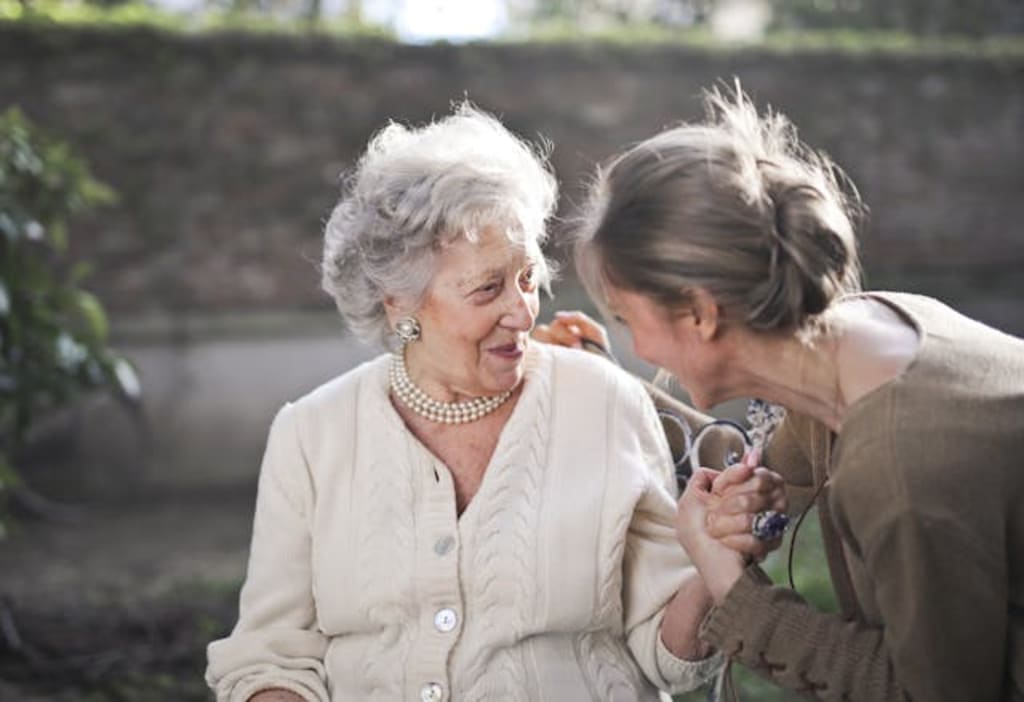
The care of seniors extends beyond physical requirements. Memory loss develops as people grow older. Memory loss affects seniors through name forgetfulness, item misplacement, and difficulty remembering essential details. The more severe health conditions among seniors include dementia and Alzheimer's disease. Specialized support becomes necessary when these situations occur.
Understanding the Need for Specialized Care
Normal aging brings forgetfulness, yet severe memory loss stands apart from typical forgetfulness. The condition interferes with regular activities to the point where people struggle with fundamental responsibilities. Older adults often fail to remember their medications, experience difficulties with personal care, and develop confusion regarding time and location. The combination of these challenges creates risks for seniors who live independently. Family members attempt to assist, yet continuous observation proves challenging. Professional care provides essential support for these situations.
A Safe and Supportive Environment
A structured setting can reduce stress for seniors facing memory loss. Routine plays an important role in making them feel secure. When daily schedules stay consistent, anxiety and confusion lessen. A stable environment also helps them stay engaged in activities that keep their minds active. Small things like familiar décor, soft lighting, and calming sounds can bring comfort. A well-designed space ensures they can navigate without frustration.
Personalized Assistance for Everyday Tasks
Simple tasks like getting dressed or preparing a meal can become overwhelming. Trained caregivers offer hands-on assistance while still allowing seniors to maintain independence. Instead of rushing through tasks, they provide guidance patiently and respectfully. This approach ensures that seniors feel capable rather than dependent. Having support for meals, bathing, and dressing brings dignity to daily living.
Encouraging Social Interaction
Isolation can worsen memory-related conditions. Seniors need social connections to maintain emotional well-being. Engaging in conversations, sharing meals, or participating in group activities keeps them connected. Social interaction also stimulates the brain, helping to slow cognitive decline. Activities like music therapy, storytelling, or light exercises bring moments of joy. A friendly and understanding community makes a big difference.
Managing Behavioral Changes
Mood swings, confusion, or agitation often accompany memory loss. A structured environment helps reduce frustration. Caregivers trained in handling these changes provide reassurance rather than discipline. They use gentle redirection instead of correction. If a senior feels anxious or upset, caregivers offer comfort through soothing words or familiar objects. The goal is to reduce distress while maintaining a sense of security.
Supporting Families Through the Journey
Watching a loved one experience memory loss is emotionally challenging. Families often feel overwhelmed and unsure of how to provide the best care. Having professional support allows them to focus on quality time rather than daily struggles. Knowing their loved one is in good hands brings peace of mind, easing the burden. Families are also encouraged to stay involved, visiting regularly and participating in activities. Their presence offers comfort and strengthens emotional bonds, providing a sense of stability and reassurance. Engaging with professionals helps families understand the journey and navigate it together.
The Role of Memory Care in Enhancing Quality of Life
Specialized care focuses on creating a better daily experience rather than just managing symptoms. Small adjustments make a big impact, improving overall well-being. Whether it’s a familiar routine, a kind conversation, or a well-placed reminder, every detail matters. The goal is to help seniors live with dignity, comfort, and a sense of belonging, fostering a positive environment. Memory care facilities are designed to provide emotional, physical, and cognitive support. These environments promote independence while ensuring safety, allowing seniors to thrive despite challenges.
Finding the Right Care Option
Choosing the right support takes time and careful thought. Families should look for an environment that values patience, respect, and engagement. Observing interactions between staff and residents provides insight into the level of care offered. Asking about daily routines, activities, and safety measures helps determine the best fit. The right setting ensures that seniors feel valued and supported while also encouraging social interaction. Prioritizing a welcoming atmosphere and personalized care plans ensures families can trust that their loved ones will receive the attention and respect they deserve.
Conclusion
Caring for seniors with memory loss isn’t about correcting every mistake. It’s about creating a life filled with warmth and understanding. Even on difficult days, small victories matter. A shared laugh, a familiar song, or a quiet moment of comfort can bring happiness. Compassion remains the most powerful tool in providing care
About the Creator
Keep reading
More stories from Miranda Spears and writers in Families and other communities.
The Ultimate Guide to Children's Dental Hygiene
The long-term oral health and general well-being of your child depend on early in-life development of proper dental hygiene practices. Covering everything from brushing and flossing methods to diet and professional dental care, this complete reference to children's oral hygiene offers parents a thorough, simple-to-use resource. Following the guidance in this article will help your kid build a firm basis for a lifetime of healthy teeth and gums.
By Miranda Spears10 months ago in Families
Wise~Guys
— Look Behind what's in Front of You ~ Make Good Choices — Hey, So how you Doin'..! Made~Men — Mobster Movies romanticise a distinctive, elegant appearance, impeccable attire style, along with the 'Families' expressive lingo. Making their 'Bones' gave them Panache — with vintage fedoras, tailored pin-striped suits, mirror-polished wing-tip shoes adorned with tassels; with their 'Gun Moll' gorgeous dates on their arms.
By Jay Kantor17 days ago in Families
Kids Beds Suitable for Smaller Bedrooms: Smart Comfort Without Crowding
Not every child has a large bedroom. In many homes, space is shared or limited, which means every piece of furniture needs to be chosen carefully. A bed that is too big or bulky can make a small room feel cramped and uncomfortable.
By Shazad Khana day ago in Families




Comments
There are no comments for this story
Be the first to respond and start the conversation.