
The Ultimate Guide to Children's Dental Hygiene
The long-term oral health and general well-being of your child depend on early in-life development of proper dental hygiene practices.

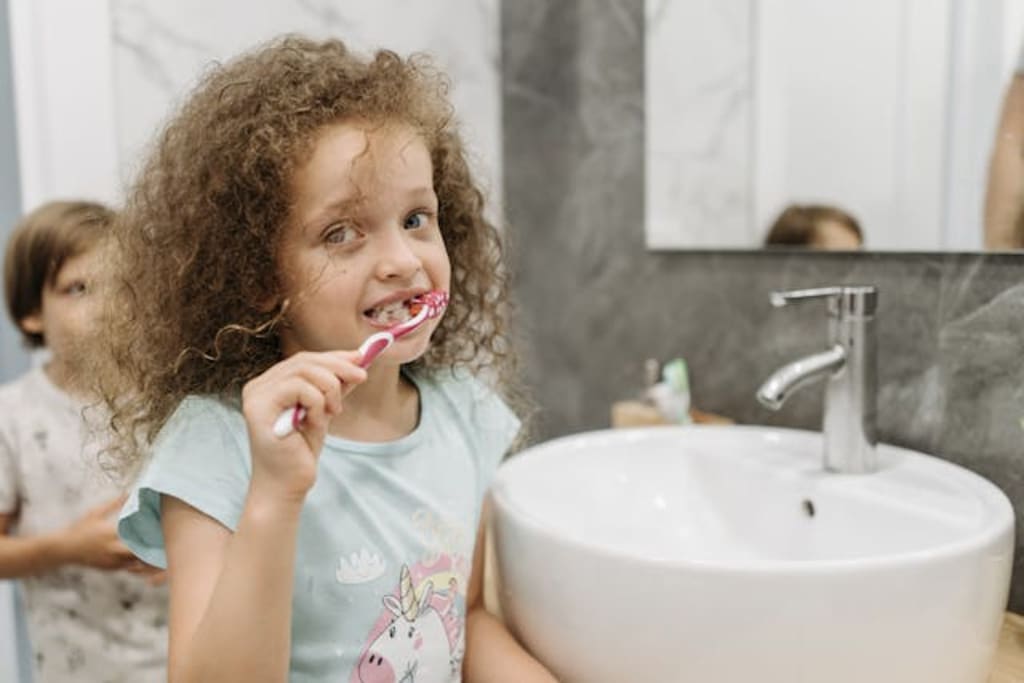
The long-term oral health and general well-being of your child depend on early in-life development of proper dental hygiene practices. Covering everything from brushing and flossing methods to diet and professional dental care, this complete reference to children's oral hygiene offers parents a thorough, simple-to-use resource. Following the guidance in this article will help your kid build a firm basis for a lifetime of healthy teeth and gums.
Starting Early: Dental Care for Infants and Toddlers
Establish good oral hygiene habits from the beginning by routinely washing your baby's gums with a soft, moist cloth following every meal, even before their first tooth shows. Usually between 6 to 12 months, as the first tooth shows up, brush twice daily using a rice-sized quantity of fluoride toothpaste on an infant-sized toothbrush with soft bristles. To acquaint your kid with the dental environment and enable developmental checks and early issue identification, the American Academy of Pediatric Dentistry advises timing their first dental appointment either by their first birthday or within six months of their first tooth appearing. Toddlers who use music and timers or allow them to select their toothbrush should find brushing interesting and entertaining. Remember, though, to help or monitor youngsters under six until they acquire the required physical skill to brush completely and efficiently on their own.
Proper Brushing and Flossing Techniques
Effective elimination of plaque depends on your youngster learning the right brushing technique. Orienting the toothbrush at a 45-degree angle to the gums, gently move the brush back and forth in short strokes (about the width of one tooth), brushing the outer, inner, and chewing surfaces of every tooth, and clean the inner, front teeth by tilting the brush vertically and making up-and-down strokes. Twice daily, brushing should last two minutes in total. Regarding flossing, start when any two teeth come together and kids usually require help until they are 8 to 10 years old. Wind most of around 18 inches of dental floss around your middle fingers, leaving a little section securely gripped between your thumbs and index fingers for exact control during flossing. Use a rubbing action to softly glide the floss between teeth rather than snapping it against the gums during flossing. Daily flossing removes food particles and plaque from locations a toothbrush cannot get, therefore promoting ideal oral hygiene and preventing dental disorders.
Diet and Its Impact on Dental Health
Your child's dental condition is much influenced by their diet as sugary foods and beverages feed bacteria that generate acids attacking tooth enamel and promoting decay. Limit sugary snacks and beverages, including juice (even 100% fruit juice), and promote excellent teeth by means of water between meals and following sweet indulgences. Offer foods high in calcium, such as cheese, yogurt, and milk, to improve tooth enamel. Market naturally occurring tooth-cleansing crunchy fruits and vegetables such as celery, apples, and carrots. Steer clear of sticky items that cling to teeth, including dried fruit, sweets, and caramel. Sweet snacks accompanied with a meal are better than eating them by themselves as more saliva generated during meals helps balance acidity and remove food particles. Lessening contact with teeth also means drinking sweet or acidic liquids using straws.
Preventive Dental Treatments
Professional preventative treatments offer more defense against tooth decay than just home care. By over 80% and last many years before needing renewal, dental sealants—thin protective coatings placed on the chewing surfaces of molars where decay most commonly occurs—can help to lower the risk of decay in these teeth. Particularly helping youngsters at great risk for cavities, professional fluoride treatments provide focused protection that builds tooth enamel and increases resistance to acid assaults. Regular biannual dental visits provide the chance for expert cleanings that eliminate tartar and plaque accumulation and let the dentist spot and treat possible issues early on before they grow more severe and call for more involved treatment. Particularly crucial throughout the cavity-prone years of childhood and adolescence are preventative treatments; many pediatric dentists in Cary, North Carolina, provide thorough programs catered to each child's particular requirements.
Conclusion
Developing appropriate oral hygiene practices in youth pays lifetime advantages. Early start, correct technique instruction, diet monitoring, and use of preventative therapies will help your child keep a good smile far into adulthood. Recall that children pick up behavior from their parents, so one of the best approaches to inspire your child to good dental hygiene practices is by imitating them yourself.
About the Creator
Keep reading
More stories from Miranda Spears and writers in Families and other communities.
The Benefits of Senior Apartment Living: Comfort and Community
As people get older, their desire for a safe, comfortable, and supportive living environment grows stronger. Senior apartment living offers a lifestyle that promotes independence, security, and a sense of community, going beyond just housing. Senior apartments offer several benefits that can have a significant impact on seniors' quality of life, regardless of whether they are in bustling cities or more sedate suburbs.
By Miranda Spears9 months ago in Families
Wise~Guys
— Look Behind what's in Front of You ~ Make Good Choices — Hey, So how you Doin'..! Made~Men — Mobster Movies romanticise a distinctive, elegant appearance, impeccable attire style, along with the 'Families' expressive lingo. Making their 'Bones' gave them Panache — with vintage fedoras, tailored pin-striped suits, mirror-polished wing-tip shoes adorned with tassels; with their 'Gun Moll' gorgeous dates on their arms.
By Jay Kantor18 days ago in Families
Bettijo Hirschi
Introduction Bettijo Hirschi is a multi‑talented creative professional from the United States. She works as a designer, art director, photographer, writer, and event planner. Bettijo has built a long career in creative work and media. People know her for her artistic skills, her work in magazines and television, and her lifestyle blog. She is also known in recent news because of changes in her personal life.
By Farhan Sayed4 days ago in Families




Comments (1)
As a mum to a toddler, I really appreciate this comprehensive guide on establishing good oral hygiene from such an early age