
Manas National Park: India’s Best-Kept Wildlife Secret
A Place Where Wilderness Reigns
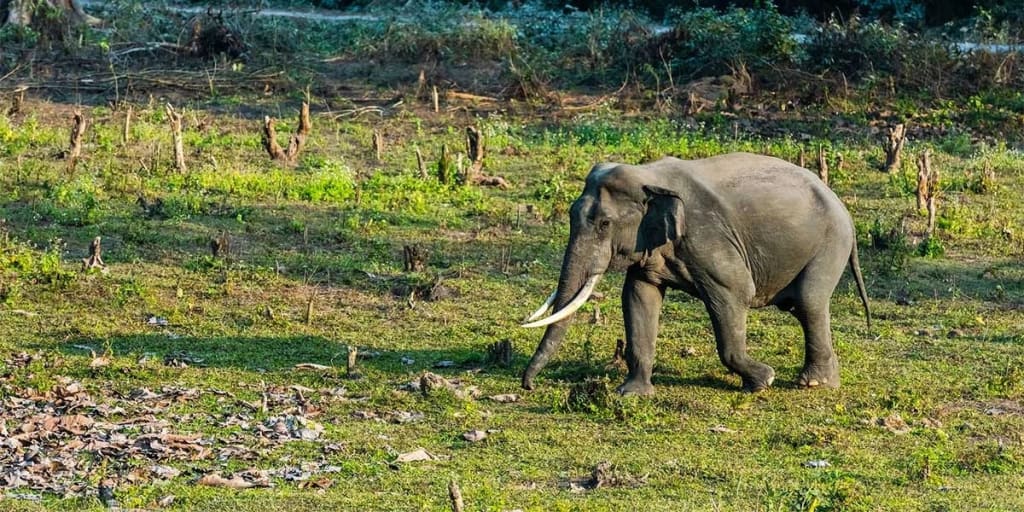
Nestled at the foothills of the Eastern Himalayas in Assam, Manas National Park is one of India’s most underrated wildlife sanctuaries. Unlike the more popular tiger reserves in India, Manas remains relatively unexplored—making it a dream destination for those craving authentic, soul-stirring encounters with the wild.
I had heard whispers about this place. A national park where the forests hum with bird calls, the rivers run glassy and clear, and the sightings are wild—not just in the animal sense, but in the way the experience shakes you out of the ordinary. After finally visiting, I can honestly say: Manas isn’t just a national park. It’s a living testament to India’s untamed northeast.
A Place Where Wilderness Reigns
Imagine a forest where elephants roam freely, rhinos graze by the riverbanks, and endangered species like the Golden Langur and Pygmy Hog still survive against the odds. That’s Manas for you.
The park sprawls across 950 square kilometers and stretches into Bhutan, where it merges with the Royal Manas National Park. It’s the only national park in India with a triple designation: it’s a UNESCO World Heritage Site, a Project Tiger Reserve, and a Biosphere Reserve. That’s no small feat.
Yet despite this prestigious status, Manas isn’t overrun with tourists. It has preserved a raw, undisturbed charm that many other parks—though beautiful—have lost to commercialization.
Wildlife That You Won’t Find Anywhere Else
During our very first jeep safari, our guide spotted fresh tiger pugmarks along the dusty trail. My heart raced. The tiger remained elusive, but the thrill of possibly crossing paths with one in such a pristine setting was exhilarating.
But Manas isn't just about tigers.
It’s home to rare and endangered species like the Assam Roofed Turtle, Hispid Hare, Indian Rhinoceros, and over 450 species of birds, including the majestic Rufous-necked Hornbill and the elusive Bengal Florican. For birdwatchers, Manas is a paradise waiting to be discovered.
One of the highlights of my trip was watching a troop of golden langurs swing through the treetops. Their golden coats shimmered in the morning light, and for a moment, the entire jungle seemed to pause and admire them too.
The Magic of Manas Jungle Safaris
Morning safaris start early, around 5:30 AM, just as the first light hits the grasslands. The air smells of dew and forest. Jeep trails wind through thick sal forests, across open meadows, and alongside the Manas River, offering a chance to spot animals in every type of habitat.
Our guide—an incredibly knowledgeable Bodo tribesman—narrated the forest’s stories with quiet reverence. Every bend in the trail felt like it could unveil a secret: a family of wild boars trotting across the road, a herd of elephants rustling through the grass, or a crested serpent eagle perched on a bare tree, watching everything below.
Unlike the tiger-centric safaris in central India, Manas offers a more holistic experience. You aren’t rushing from one sighting to another. You’re observing, listening, soaking it in.
And then there’s river rafting—a completely different way to explore the park. We floated gently down the Manas River, past sandbanks and low-hanging fig trees, keeping watch for otters and waterbirds. It felt more like a meditation than a safari.
When to Go
The best time to visit Manas is from November to April, when the skies are clear, the temperature is pleasant, and the wildlife is active. Summers here aren’t harsh like in central India, and the park closes during the monsoon (May to October) due to flooding and heavy rains.
We visited in February, and the weather was near-perfect—warm days, cool nights, and golden sunlight that made everything shimmer.
Where to Stay in Manas
One of the things I appreciated most about visiting Manas was the range of eco-conscious accommodations. We stayed at a charming lodge just outside the park gate, run by locals who are deeply committed to conservation and community-based tourism.
The food was simple but delicious—think rice, lentils, and spicy home-cooked Assamese curries. In the evenings, local Bodo villagers performed traditional dances around a bonfire. It wasn’t for show. It felt authentic, shared from the heart.
Many of the lodges in this area employ local youth, helping reduce pressure on the park’s resources while empowering the surrounding communities.
If you’re planning your own trip, I’d highly recommend going with a professional wildlife tour operator. We booked ours through Tiger Safari Tours India, and it made all the difference. Their attention to detail—permits, logistics, local naturalists—let us focus on the experience, not the admin.
Manas vs Kaziranga: Which Should You Visit?
It’s a fair question, especially since both are in Assam. Kaziranga is more famous, known for its rhino population and well-developed safari routes. But if you're looking for something quieter, wilder, and deeply immersive—Manas wins.
Kaziranga is where you go to check wildlife off a list. Manas is where you go to feel the forest breathe.
What Makes Manas So Special?
It’s not just the wildlife. It’s the ethereal silence, broken only by bird calls and the rustle of leaves. It’s the warm hospitality of the Bodo people, whose lives are intertwined with the forest. It’s the way the sun filters through tall elephant grass in the early morning, casting gold on everything.
Manas is not a theme park. It’s not curated. It’s real. And real is rare these days.
Final Thoughts
If you're looking for a wildlife destination that challenges you, soothes you, and leaves you in awe—Manas National Park should be at the top of your list.
It’s more than a place to see tigers. It’s a reminder of how beautiful our planet can be when left wild.
And the best part? It's still a secret to most of the world.
About the Creator
Keep reading
More stories from Talib Khan and writers in Families and other communities.
Gir National Park: The Last Stronghold of the Asiatic Lion in India
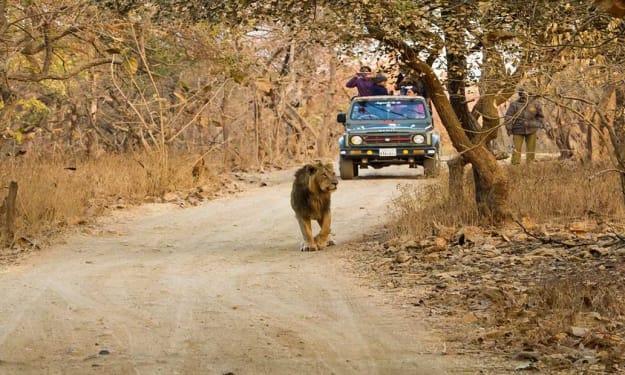
Tucked away in the rugged landscapes of Gujarat, Gir National Park holds a special place in the heart of India’s wildlife heritage. Unlike the more famous Bengal tiger reserves across the subcontinent, Gir is known for something even rarer—the Asiatic lion, a species that once roamed vast swathes of the Middle East and South Asia, now found only here.
By Talib Khan8 months ago in Families
Wise~Guys
— Look Behind what's in Front of You ~ Make Good Choices — Hey, So how you Doin'..! Made~Men — Mobster Movies romanticise a distinctive, elegant appearance, impeccable attire style, along with the 'Families' expressive lingo. Making their 'Bones' gave them Panache — with vintage fedoras, tailored pin-striped suits, mirror-polished wing-tip shoes adorned with tassels; with their 'Gun Moll' gorgeous dates on their arms.
By Jay Kantor20 days ago in Families
Ludacris and Nelly draw backlash over bookings at MAGA-coded music festival
Ludacris and Nelly headlining a mostly right-wing event is good for them. It’s also great for the genre of hip hop. The two rap veterans have showcased their talents on other stages. Why can’t they perform for mostly MAGA folks and grab that bag?
By Skyler Saunders6 days ago in Beat



Comments (1)
Manas National Park sounds like a hidden gem. I'm intrigued by its triple designation. It's great that it's not overrun with tourists. I wonder how they manage to keep that balance. And those tiger pugmarks! That must've been an adrenaline rush. Have you seen any of the other rare species? I'd love to know more about the birdwatching there.