
Losing Belly Fat: A Step-by-Step Guide to Achieve Your Goals
Understanding the Challenges of Losing Belly Fat

Losing Belly Fat: A Step-by-Step Guide to Achieve Your Goals
Introduction
Belly fat is notorious for being easy to gain but incredibly challenging to lose. Many individuals struggle with reducing excess fat around their midsection, unsure of where to begin and how to maintain long-term results. In this article, we will explore a three-stage approach to eating for fat loss, focusing specifically on losing belly fat effectively and for good.
Understanding the Challenges of Losing Belly Fat
Losing belly fat can be a frustrating journey for many individuals. Unlike gaining fat, which seems effortless for some, shedding excess fat from the belly area can feel like an uphill battle. It's crucial to comprehend the significance of diet in this process and understand where to begin to ensure sustainable and long-lasting results.
Three Stages of Losing Belly Fat
Stage 1: Kick-starting the Fat Loss Process
The initial stage of your fat loss journey is designed to kick-start the process and maintain momentum until you reach approximately 15% body fat. During this stage, you'll focus on two key factors: calories and protein.
Calories
Creating an energy deficit is essential to prompt your body to burn stored fat for fuel. To determine your daily calorie intake, multiply your body weight in pounds by a factor between 11 and 13. If you are taller, younger, or more active, choose the higher end of the range. Conversely, if you are shorter, older, or less active, opt for the lower end. This estimate provides a starting point for your calorie consumption.
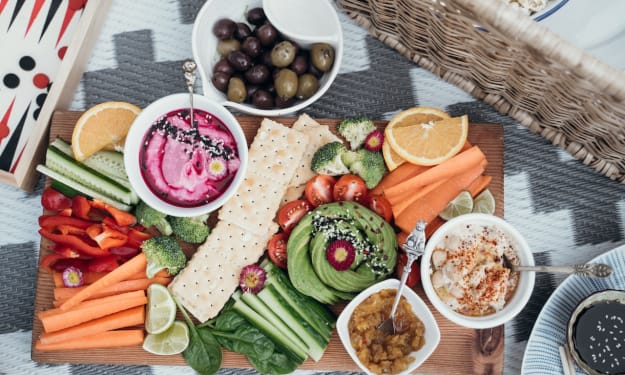
It's important to note that you don't need to completely eliminate carbs, sugar, or your favorite foods. Instead, prioritize low calorie density foods, which take up more space in your stomach while contributing fewer calories overall. These foods are often unprocessed and require more energy for digestion, making them beneficial for fat loss.
Protein
Consuming adequate protein is crucial to preserve muscle mass during the fat loss process. Studies have shown that individuals who consume more protein while losing weight tend to lose more fat and retain more muscle compared to those with lower protein intake. Aim for a protein intake of approximately 0.8-1 gram per pound of body weight. Good sources of protein include lean meats, poultry, fish, eggs, dairy products, and plant-based options like tofu and legumes.
Stage 2: Going from 15% to 12% Body Fat
Once you've made progress in the initial stage and reached around 15% body fat, it's time to transition to the next phase. This stage focuses on fine-tuning your diet to continue losing belly fat and lower your body fat percentage.
Tracking daily calorie intake
At this stage, it becomes essential to track your daily calorie intake accurately. Use a food diary or a smartphone app to log your meals and snacks. By monitoring your calorie intake, you can make necessary adjustments to ensure you remain in a calorie deficit.
Adjusting carb and fat intake
While the total calorie intake remains important, you may need to adjust your macronutrient ratios. Experiment with slightly reducing your carbohydrate intake and increasing your healthy fat consumption. This adjustment can help optimize fat loss while providing sustained energy throughout the day.
Importance of high volume foods
Incorporating high volume foods into your diet can be beneficial during this stage. These foods have a lower calorie density, meaning they contain fewer calories per gram. Filling your plate with vegetables, fruits, and whole grains can help you feel satisfied while keeping your calorie intake in check.
Stage 3: Reaching 10% Body Fat and Beyond
The final stage of your belly fat loss journey requires increased discipline and sacrifice. Reaching body fat levels around 10% or lower demands a higher level of commitment, but it can lead to a leaner and more defined physique.
Increased discipline and sacrifice
To achieve and maintain lower body fat levels, you'll need to tighten up your diet even more. Be mindful of portion sizes, eliminate or minimize processed foods, and prioritize nutrient-dense options. Staying consistent with your calorie intake and making healthier choices will be key during this stage.
Wise choices during social events and dining out
Social events and dining out can pose challenges when trying to lose belly fat. It's important to plan ahead, make wise choices, and practice moderation. Opt for lean protein sources, load up on vegetables, and be mindful of added sauces, dressings, and desserts.
Evaluating the worth of pushing for lower body fat levels
While striving for lower body fat levels can be enticing, it's essential to evaluate the worth of pursuing extreme leanness. Consider factors such as your overall health, energy levels, and personal satisfaction. Remember that sustainable progress and a balanced lifestyle are key to long-term success.
Conclusion
Losing belly fat requires a multifaceted approach, with diet playing a crucial role. By following the three stages outlined in this article, you can kick-start your fat loss journey, fine-tune your diet for continued progress, and make wise choices as you reach your goal body fat percentage. Remember to stay consistent, be patient, and prioritize your overall well-being.
FAQs
Q: How long does it take to lose belly fat?
A: The time it takes to lose belly fat varies for each individual and depends on various factors such as starting body fat percentage, genetics, diet, and exercise routine. It's important to focus on sustainable progress rather than quick fixes, as slow and steady weight loss tends to be more sustainable in the long run.
Q: Can I target belly fat specifically?
A: Spot reduction, or the ability to target fat loss in specific areas, is a common misconception. Unfortunately, it's not possible to lose fat from a specific area of the body by solely exercising that region. To lose belly fat, you need to focus on overall fat loss through a combination of a calorie deficit, regular exercise, and a balanced diet.
Q: Are there any supplements that help with belly fat loss?
A: While some supplements claim to aid in fat loss, it's important to approach them with caution. The most effective way to lose belly fat is through a combination of a calorie deficit, a balanced diet, regular exercise, and healthy lifestyle habits. Before considering any supplements, consult with a healthcare professional or a registered dietitian.
Q: Is exercise necessary for losing belly fat?
A: While diet plays a crucial role in losing belly fat, exercise is also essential for overall health and sustainable fat loss. Incorporating a combination of cardiovascular exercises, strength training, and high-intensity interval training (HIIT) can help boost metabolism, preserve muscle mass, and aid in fat loss.
About the Creator
Keep reading
More stories from muhammad muneer and writers in Families and other communities.
How to reduce weight loss
Intermittent fasting is a dietary approach that involves cycling between periods of fasting and eating. It has gained popularity for its potential role in facilitating weight loss. In this discussion, we will explore the science behind intermittent fasting, how it works in practice, potential side effects, and provide tips on what to eat and avoid.
By muhammad muneer3 years ago in Motivation
Wise~Guys
— Look Behind what's in Front of You ~ Make Good Choices — Hey, So how you Doin'..! Made~Men — Mobster Movies romanticise a distinctive, elegant appearance, impeccable attire style, along with the 'Families' expressive lingo. Making their 'Bones' gave them Panache — with vintage fedoras, tailored pin-striped suits, mirror-polished wing-tip shoes adorned with tassels; with their 'Gun Moll' gorgeous dates on their arms.
By Jay Kantor25 days ago in Families
A Story of Leavie Scott
Leavie Scott’s story begins with a simple but powerful belief: that growth is possible at any stage of life. From an early age, Leavie understood the value of resilience, shaped by family influence and real-life experience rather than shortcuts or easy answers. Growing up, the lessons that mattered most were not always spoken aloud—they were shown through perseverance, responsibility, and the expectation that hard work would eventually open doors.
By Organic Products 2 days ago in Families



Comments
There are no comments for this story
Be the first to respond and start the conversation.