
HOW TO MAKE STRESS YOUR FRIEND
How Embracing Stress Can Make You Stronger, Healthier and Live Longer
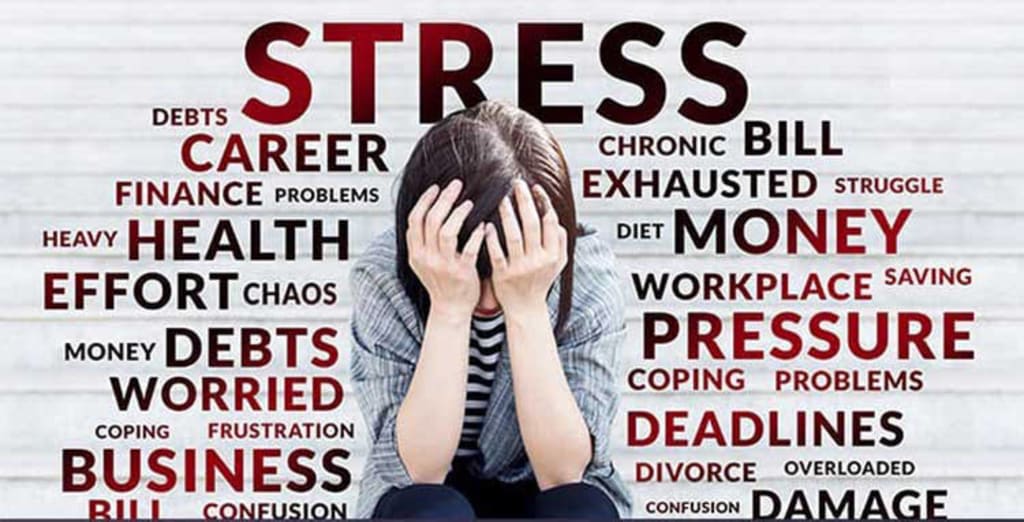
Introduction: A Confession About Stress
How often have you heard that stress is bad for your health? That it causes heart disease, depression, and even premature death? For years, health psychologist Kelly McGonigal stood behind this message—until one research study completely changed her perspective.
In a revelation that turns everything we thought we knew on its head, McGonigal confessed: What I have been teaching may be doing more harm than good. Rather than being an enemy, stress—when viewed differently—can actually become one of the most powerful tools for growth, resilience, and even longevity.
This article explores the science behind stress, how our beliefs shape its impact, and how a simple mindset shift could change your life.
The Study That Changed Everything
A groundbreaking study tracked thirty thousand adults in the United States over an eight-year period. Researchers asked two important questions:
How much stress did you experience in the past year
Do you believe that stress is harmful to your health
The results were surprising. Those who experienced a high level of stress and believed it was harmful had a 43 percent increased risk of dying. But here is the twist. Those who experienced a lot of stress but did not believe it was harmful had the lowest risk of dying—even lower than those with relatively little stress.
Researchers estimated that over the eight-year study period, 182,000 people may have died prematurely not because of stress, but because they believed stress was bad for them.
Key takeaway: What you believe about stress may be more dangerous than the stress itself.
Can You Think Yourself Healthier
Science says yes. Changing how you think about stress can literally change how your body responds to it.
In a study conducted at Harvard, participants were placed in a highly stressful situation: giving an impromptu speech and performing a difficult math test under pressure. However, one group was coached to think differently. They were told that their pounding heart and quick breathing were not signs of failure, but signs their body was preparing them to meet the challenge.
The results were remarkable. Those who reinterpreted their stress response as helpful were less anxious, more confident, and—most importantly—they had healthier physical responses. Unlike a typical stress reaction where blood vessels constrict, these participants' blood vessels remained relaxed, similar to what is seen during moments of joy and courage.
This one biological difference could mean the difference between a stress-related heart attack at age fifty and a strong, healthy heart at ninety.
Stress Makes You Social
There is more to stress than survival. It can also make you more caring and connected.
This is due to a hormone called oxytocin. Often known as the cuddle hormone, oxytocin is released when we hug or bond with others. But few realize that it is also a stress hormone. Your body produces oxytocin as part of the stress response.
Oxytocin encourages you to seek support, reach out, and strengthen your social bonds. It enhances your empathy and motivates you to help others. It nudges you to talk to someone, share how you feel, and connect when things get tough.
And it has powerful effects on the body. Oxytocin reduces inflammation, keeps blood vessels relaxed, and helps the heart regenerate from stress-induced damage. And the best part is, when you connect with others during times of stress, you release even more oxytocin—amplifying all of these benefits.
In short, connection under stress makes your body stronger.
Caring for Others Builds Resilience
Another study observed around one thousand people, ranging from their thirties to their nineties. Researchers tracked how much stress participants experienced, and how much time they spent helping friends, neighbors, or their communities.
As expected, stressful life experiences increased the risk of dying. But here is the twist: people who spent time caring for others showed no increase in mortality risk, regardless of how much stress they experienced.
Helping others neutralized the harmful effects of stress.
So if you want to live longer, stay connected. Be there for others. Caring creates resilience.
The Biology of Courage
The message is clear: stress itself is not the problem. How we interpret it, and how we respond to it, makes all the difference.
When you view stress as helpful, you activate what McGonigal calls the biology of courage. Your body energizes, your mind sharpens, and your heart becomes stronger—not just emotionally, but physically too.
When stress is connected to meaning, it fuels your growth.
Final Thoughts: Trust Yourself
Instead of avoiding stress, chase meaning. Meaningful things—careers, relationships, goals, parenting—often come with stress. But if you see stress as a sign that you care, and a tool to help you rise to the challenge, it becomes your ally.
Next time your heart races and palms sweat, do not panic. Say to yourself, This is my body helping me meet this challenge. And your body will believe you.
Summary of Key Points
Stress is not the enemy – It is your mindset about stress that determines whether it harms or helps.
Changing your beliefs changes your biology – Reframing stress as helpful creates a healthier physical response.
Oxytocin connects and protects – This stress hormone strengthens your relationships and your heart.
Helping others builds resilience – Giving support during stress shields you from its negative effects.
Stress linked to purpose is powerful – Pursue meaning, not comfort, and trust yourself to handle the stress that comes with it.
A New View of Stress
Stress is a part of life. But it does not have to be feared or avoided. When you understand its power and reframe it, stress becomes a source of strength, connection, and courage.
You do not need to face stress alone. Reach out. Connect. Support someone. Let stress open your heart—not just metaphorically, but biologically too.
You are built to handle life’s challenges.
About the Creator
Keep reading
More stories from Kreative William 254 and writers in Families and other communities.
WHAT HE REALLY NEEDS
Introduction Behind every strong man is a little boy who once craved love, connection, and affirmation. But somewhere along the journey, that boy was told to "man up," "toughen up," and "never cry." And so, he buried himself under layers of silence, strength, and shame — until one day, he could no longer recognize who he truly was.
By Kreative William 2549 months ago in Families
Wise~Guys
— Look Behind what's in Front of You ~ Make Good Choices — Hey, So how you Doin'..! Made~Men — Mobster Movies romanticise a distinctive, elegant appearance, impeccable attire style, along with the 'Families' expressive lingo. Making their 'Bones' gave them Panache — with vintage fedoras, tailored pin-striped suits, mirror-polished wing-tip shoes adorned with tassels; with their 'Gun Moll' gorgeous dates on their arms.
By Jay Kantor19 days ago in Families
Fordy and the Bandit Kitties
Once upon a time, there was a friendly little vehicle named Fordy. We meet Fordy on a very sleepy road, beneath a sky full of twinkly stars that seemed to whisper goodnight to anyone who passed beneath them. The moon hung low and round, lighting the road just enough to make everything feel safe and calm.
By The Schizophrenic Mom5 days ago in Families
Silver Screen Magic with Mae West
American actress and singer Mae West became a popular film actress during the Great Depression. She started entertaining in vaudeville, then performed on Broadway, and finally went to Hollywood. She signed up with Paramount Pictures and made her debut in the 1932 film “Night After Night.” She also starred in musicals, comedies, and crime dramas. The American Film Institute named her one of the best classic Hollywood actresses.
By Rasma Raisters6 days ago in Geeks




Comments
There are no comments for this story
Be the first to respond and start the conversation.