
How to Get Clear Skin Fast: A Step-by-Step Routine
"Achieve a Radiant Complexion with an Effective and Easy-to-Follow Skincare Plan"

Achieving clear, glowing skin is a goal shared by many, yet the journey to flawless skin can seem elusive. From acne and breakouts to uneven textures and pigmentation, various skin issues plague individuals across all age groups. However, with the right approach and consistent effort, attaining clear skin is not only possible but achievable. This step-by-step guide will walk you through a comprehensive skincare routine designed to address common skin concerns and promote a clear complexion fast.
Step 1: Cleanse Your Skin
Cleansing is the foundation of any skincare routine. Choose a cleanser formulated for your skin type to remove dirt, oil, and impurities effectively. For oily skin, opt for a foaming or gel cleanser that removes excess oil without over-drying. Those with dry skin should look for creamy, hydrating cleansers that don’t strip the skin's natural moisture. Avoid harsh soaps that can upset the skin’s pH balance.
The Importance of Double Cleansing
Double cleansing is particularly effective for thoroughly removing makeup and sunscreen. Begin with an oil-based cleanser to dissolve makeup, followed by a water-based cleanser to remove residual impurities. This method ensures your skin is free of any buildup, preventing clogged pores and promoting clarity.

Step 2: Exfoliate Regularly
Exfoliation helps to slough off dead skin cells, promoting skin renewal and unclogging pores. This step prevents dullness and promotes a smoother, clearer complexion. Regular exfoliation can significantly reduce acne breakouts by preventing the buildup of dead skin cells that can clog pores.
Chemical vs. Physical Exfoliants
Exfoliants come in two primary types: chemical and physical. Chemical exfoliants, such as AHAs (alpha hydroxy acids) and BHAs (beta hydroxy acids), dissolve dead skin cells and help clear pores without physical scrubbing. Physical exfoliants, like scrubs with beads or granules, manually slough off dead skin. While chemical exfoliants are often gentler and more effective for sensitive skin, physical exfoliants can provide a satisfying, invigorating experience. It's important not to over-exfoliate, as this can damage the skin's barrier.
Step 3: Tone and Balance
Toning helps restore the skin's natural pH balance after cleansing and preps the skin for better product absorption. Toners can also remove any residual dirt left behind by cleansers. They often contain ingredients like witch hazel or rose water, which can reduce inflammation and provide a soothing effect.
How to Choose the Best Toner
Choose a toner that suits your skin concerns. For acne-prone skin, look for toners with salicylic acid to help clear pores. For dry or sensitive skin, hydrating toners with aloe vera or glycerin can help restore moisture and calm irritation.

Step 4: Target Problem Areas with Treatments
For those dealing with breakouts, spot treatments are a must. Products containing benzoyl peroxide or salicylic acid target acne-causing bacteria and promote faster healing. Apply spot treatments directly to affected areas after toning and before moisturizing.
Serums and Masks for Specific Skin Concerns
Serums are concentrated formulations that target specific skin issues such as acne, pigmentation, or fine lines. A Vitamin C serum can help brighten the skin, while a hyaluronic acid serum hydrates and plumps. Face masks, like clay masks for oily skin or hydrating masks for dry skin, can provide intensive treatment to address specific concerns.
Step 5: Hydrate Your Skin
Hydration is essential for all skin types, even oily skin. Moisturizing helps maintain the skin’s barrier and prevents the overproduction of oil. By keeping the skin properly hydrated, you reduce the risk of breakouts, irritation, and flakiness.
Best Moisturizers for Different Skin Types
For oily skin, a lightweight, oil-free moisturizer is ideal, while dry skin benefits from richer, more emollient formulas. Those with combination skin may prefer a gel-based moisturizer, which hydrates without clogging pores. Choose non-comedogenic products to avoid pore blockages.

Step 6: Protect Your Skin with Sunscreen
Sun exposure is one of the leading causes of premature aging and pigmentation issues. Sunscreen is crucial in protecting your skin from harmful UV rays that can cause skin damage and worsen existing skin concerns like acne scars or dark spots.
How to Select the Right Sunscreen
Choose a broad-spectrum sunscreen with an SPF of at least 30. Gel sunscreens are often preferred for oily skin, while creamy formulations may work better for dry or sensitive skin. Remember to reapply sunscreen every two hours, especially if you're outdoors.
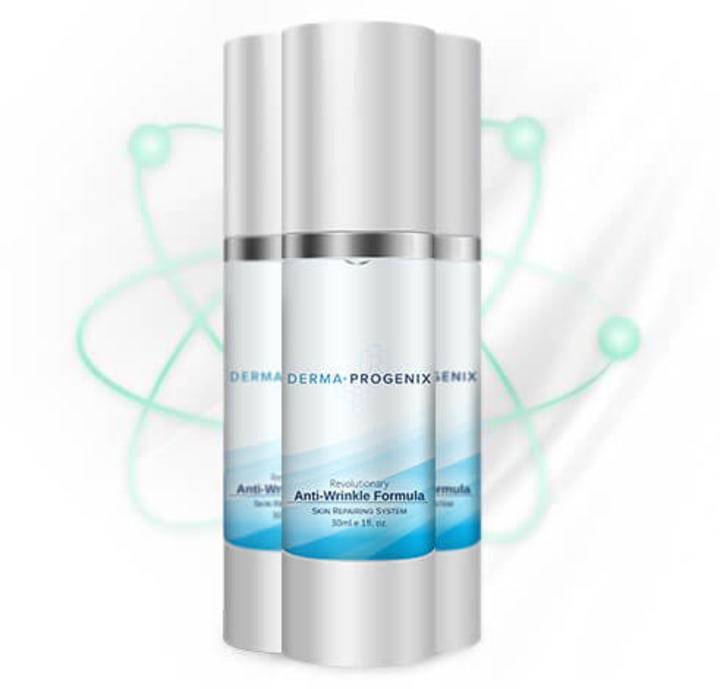
ACHIEVE VISIBLY YOUNGER LOOKING SKIN!
Derma ProGenix Advanced Anti-Aging Skin Care Serum Supplies are limited. BUY IT NOW!
Step 7: Adopt Healthy Lifestyle Habits
A balanced diet plays a significant role in skin health. Foods rich in antioxidants, vitamins, and healthy fats can reduce inflammation, prevent acne, and encourage skin regeneration. Avoiding processed foods and excessive sugar can also help manage oil production and prevent breakouts.
Sleep, Hydration, and Stress Management
Adequate sleep is essential for skin repair. Drink plenty of water throughout the day to keep your skin hydrated from within. Additionally, managing stress through relaxation techniques such as yoga or meditation can help reduce skin flare-ups caused by cortisol.

Step 8: Maintain Consistency
Clear skin doesn’t happen overnight. Maintaining a consistent skincare routine is essential for seeing long-term results. Over time, your skin will become accustomed to your products, and you’ll start noticing smoother, brighter skin. However, skipping steps or changing products too frequently can disrupt the skin’s progress.
Creating a Sustainable Routine
Establishing a simple yet effective routine is the key to long-lasting results. Stick to a morning and evening regimen that includes cleansing, exfoliating, toning, and moisturizing. Don’t forget your sunscreen in the morning. Consistency, paired with patience, will yield clear skin.
Step 9: Avoid Skin Triggers
Certain habits can contribute to breakouts and other skin issues. Touching your face frequently or sleeping with makeup on can introduce bacteria and dirt to the skin. Using harsh products or picking at blemishes can also worsen skin conditions.
How to Minimize Exposure to Skin Irritants
Identify any skin irritants, such as certain skincare products, fabrics, or environmental factors like pollution. Be mindful of your habits and try to minimize skin stressors. Using fragrance-free and non-comedogenic products can help avoid potential triggers.

Conclusion
Achieving clear skin requires more than just following a skincare routine – it’s a commitment to your skin's health. By understanding your skin’s needs, adopting the right products, and maintaining a consistent approach, you can achieve a clearer complexion in a matter of weeks. However, patience is essential. With the right routine, a few simple lifestyle changes, and a little perseverance, you’ll be on your way to radiant, healthy skin in no time. Keep in mind that skincare is a journey, and consistency will always be your best ally.
Disclamair: this article contain an affliate link which makes me a little commission without any over charges
About the Creator
Keep reading
More stories from writers in Families and other communities.
Wise~Guys
— Look Behind what's in Front of You ~ Make Good Choices — Hey, So how you Doin'..! Made~Men — Mobster Movies romanticise a distinctive, elegant appearance, impeccable attire style, along with the 'Families' expressive lingo. Making their 'Bones' gave them Panache — with vintage fedoras, tailored pin-striped suits, mirror-polished wing-tip shoes adorned with tassels; with their 'Gun Moll' gorgeous dates on their arms.
By Jay Kantor29 days ago in Families




Comments (1)
hope.....this will be informative for you