
Chicago Communities on Edge as State Probes Alleged Landlord Tip to lCE
Illinois Investigates Possible Landlord Tip-Off Before High-Profile ICE Raid

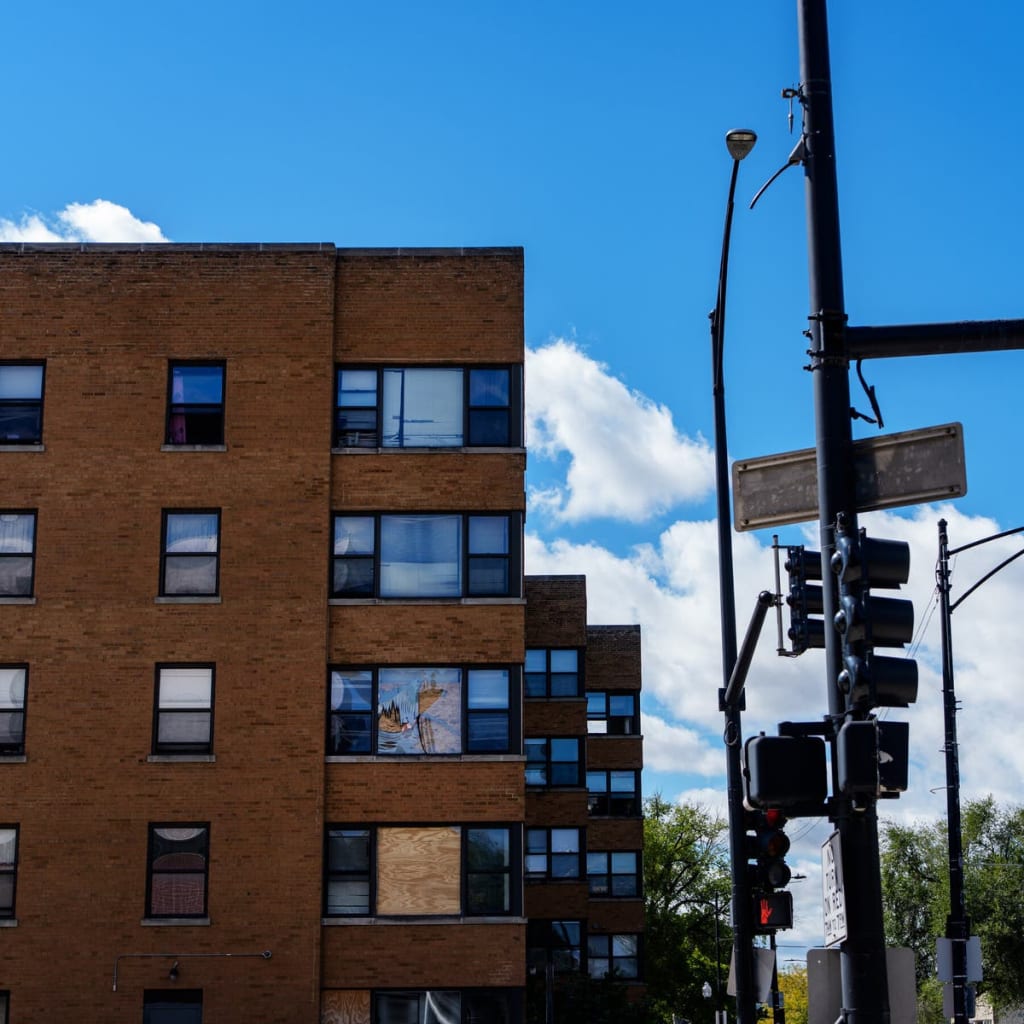
A recent ICE raid in Chicago has once again put immigrant communities on high alert, and now Illinois state authorities are investigating claims that a landlord may have tipped off federal agents before the operation. The raid, which targeted residents of a South Shore apartment building, led to dozens of arrests and left families shaken, fueling questions about tenant safety, civil rights, and community trust.
The allegations, brought forward by the Illinois Department of Human Rights (IDHR), claim that building owners or managers may have shared tenant information with ICE, potentially violating anti-discrimination and housing laws. The investigation aims to determine whether this alleged tip-off was part of a broader pattern of intimidation against tenants, many of whom are immigrants and people of color.
What Happened During the Raid
The ICE operation, conducted in September 2025, involved early-morning entries into the 130-unit apartment complex. Residents reported officers forcibly entering units, detaining individuals, and leaving families in shock. According to federal records, at least 37 people were arrested, some of whom were later released, raising concerns about mistaken detentions and the impact on U.S. citizens living in the building.
Witnesses described scenes of children separated from parents, doors being forced open, and tenants left scrambling to understand what was happening. For many, the experience was traumatizing, highlighting the vulnerability of residents in neighborhoods with heavy enforcement activity.
Allegations Against the Landlord
The IDHR’s complaint names property owners and management companies — including 7500 Shore A LLC, Trinity Flood, and Strength in Management LLC — and alleges that they may have intentionally shared tenant information with federal agents. If true, these actions could violate Illinois housing laws that protect residents from discrimination or coercion based on race, national origin, or immigration status.
State authorities stress that while landlords have certain responsibilities, they cannot act in ways that compromise the safety and rights of tenants. Governor JB Pritzker has emphasized that protecting residents from intimidation is a top priority for the state.
Community Impact
For residents of the South Shore complex, the raid and the allegations of a tip-off have left a lasting impact. Beyond arrests, families now worry about the security of their homes, the reliability of their landlords, and their ability to trust public agencies. Advocacy groups warn that fear of enforcement can drive immigrant communities into hiding, making them less likely to seek help, report crimes, or access essential services.
Neighborhood leaders have also raised concerns about power dynamics between tenants and landlords, noting that financial pressures or attempts to remove residents can intersect dangerously with immigration enforcement.
What the Investigation Involves
The IDHR will now interview witnesses, review communications, and examine documents to determine whether the landlords acted inappropriately. While filing a charge does not imply guilt, it marks the start of a formal investigation into potential civil rights violations.
Legal experts note that this case could set a precedent for how landlords and federal agencies interact, particularly in immigrant-heavy neighborhoods. The outcome could have long-term implications for housing security and tenant protections across Illinois.
Broader Implications
This case underscores the complex intersection of immigration enforcement, housing rights, and civil liberties. When private landlords coordinate — or are perceived to coordinate — with federal authorities, it can erode trust in both housing and law enforcement systems, leaving residents vulnerable.
The situation also sparks discussions about the role of local, state, and federal oversight, highlighting the importance of transparency and accountability to ensure that residents are not unfairly targeted or coerced.
Steps for Residents
Tenant advocacy groups are encouraging residents to:
Know your rights: Tenants are protected against discrimination and harassment, even in federally involved situations.
Document interactions: Keep a record of any communications with landlords or officials.
Seek legal help: Contact organizations specializing in housing rights or immigration law for guidance.
These measures don’t eliminate risk but empower communities to protect themselves during complex enforcement actions.
Conclusion
Illinois’ investigation into whether a landlord tipped off ICE ahead of a high-profile raid highlights the fragile balance between enforcement, civil rights, and community trust. Residents, advocates, and state authorities are all watching closely, emphasizing the need for accountability and safeguards to protect tenants.
For communities affected by immigration enforcement, the situation is a reminder that housing security, legal protections, and public trust are deeply interconnected — and that violations in one area can ripple across families and neighborhoods.
As the probe continues, Chicago residents hope for clarity, justice, and stronger protections to ensure that homes remain safe spaces, free from intimidation or fear of displacement.
About the Creator
Asad Ali
I'm Asad Ali, a passionate blogger with 3 years of experience creating engaging and informative content across various niches. I specialize in crafting SEO-friendly articles that drive traffic and deliver value to readers.
The Shadow in the Screen: Why Your Child’s Identity is the New Gold for AI Hackers
I remember the first time I saw it. A photo of my niece, the one I had taken at her fifth birthday party, appearing on a profile that didn’t belong to anyone in our family. The name was different. The location was halfway across the world. But the smile was unmistakably hers.
By Alex Sterling 7 days ago in Families




Comments
There are no comments for this story
Be the first to respond and start the conversation.