
How to Deal with Toxic Parents
How to deal with Toxic Parenting


Parents are often seen as the anchors of safety and guidance in a child's life, embodying love, support, and strength. They play a crucial role in shaping the values of respect and care in relationships during the early stages of life. But what happens when the very people who should nurture and protect us become the source of fear, pain, and emotional distress? Instead of fostering resilience and self-worth, toxic parents can inflict harm—whether it's physical, emotional, or mental.
The emotional toll of toxic parenting can leave deep scars on children’s lives. If you find yourself caught in a cycle of negativity and emotional hardship with your parents, know that you are not alone. Recognizing and addressing toxic behaviors in parental relationships is essential for breaking free from the pain and beginning the healing process.
In this blog, we will explore the key signs of toxic parenting and how identifying these harmful patterns can empower you to move forward and start your journey toward healing.
Here’s your complete guide to breaking free from the cycle of toxic parenting.
What do you mean by toxic parenting?
Toxic parenting" encompasses a variety of behaviors that damage a child's self-esteem, stability, and mental health. Parents exhibiting toxic traits often display controlling and manipulative tendencies. These harmful actions can have profound and long-lasting effects on a child's development and well-being.
Navigating relationships with toxic parents can be particularly difficult, as individuals may find themselves enduring abusive and harsh treatment. Poisonous behaviors are not always overtly abusive; they can also manifest in more subtle ways, such as emotional manipulation and verbal degradation, which can still deeply affect a child's emotional health and sense of identity.
Toxic parenting can severely undermine an individual's self-worth and may contribute to a cycle of pain and abuse, potentially leading the child to become a perpetrator of similar behavior. Recognizing and addressing toxic parental patterns is crucial for breaking this cycle and protecting one's mental and emotional health. The following section will help identify these patterns and offer guidance on how to address them effectively.
What are the patterns and behaviors of toxic parenting
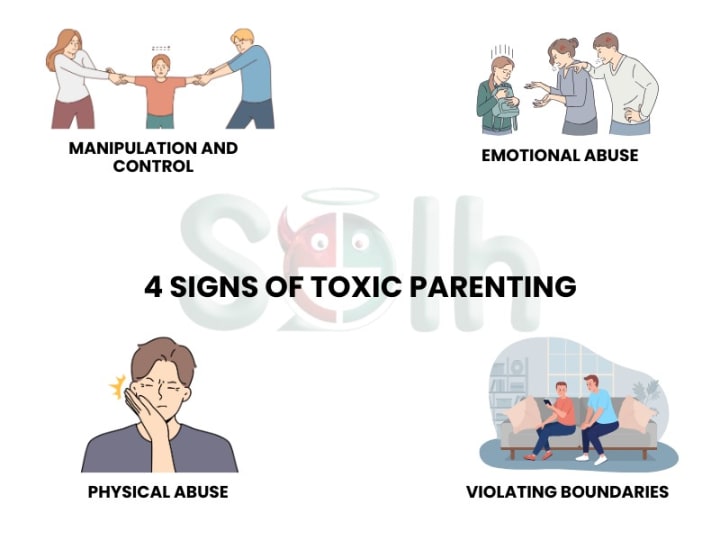
Understanding the patterns of toxic parenting is crucial before addressing the strategies to overcome such negative influences. Toxic parenting often manifests in the following ways:
Manipulation and Control
Toxic parents may use manipulation techniques, such as inducing guilt and shame, to control their child's behavior. These parents typically deny their children the space and freedom needed for personal growth and exploration. They impose their own vision on how things should be, hindering the child's development into an independent adult. If you feel that your parents are attempting to control your views and actions as an adult, it may be time to reassess your relationship with them.
Emotional Abuse
Toxic parenting can have a profound and lasting emotional impact on a child. Emotional abuse in this context involves consistent criticism, threats, and belittlement without regard for the child's needs. This form of abuse can significantly affect a child's emotional and psychological well-being.
Neglecting a Child's Feelings: A hallmark of toxic parenting is when parents prioritize their own needs and emotions over those of their children. This self-centered approach often results in neglecting the child's emotional needs, leaving them feeling invisible and unheard.
Undermining a Child's Self-Worth: Continuous criticism, disrespect, verbal belittlement, and dismissing a child's ideas and opinions can severely damage their sense of self-worth. Such behavior can make children feel inadequate and guilty about themselves, further eroding their self-esteem.
Physical Abuse: Physical abuse involves any act of bodily harm or threats inflicted upon a child. Toxic parents may resort to violence, such as hitting or choking, under the guise of discipline. This form of abuse can have enduring negative effects on both the physical and emotional health of a child.
Disregarding Boundaries: Healthy relationships require respect for personal boundaries, but toxic parents often ignore their children’s need for privacy and independence. They may infringe on personal space and control their child’s behavior and time, undermining the child’s sense of autonomy.
Physical Abuse
Physical abuse refers to any act of causing bodily harm or threatening a child. Toxic parents may resort to violence, such as hitting or choking, under the guise of discipline. This type of abuse can have long-lasting effects on both the physical health and emotional well-being of a child.
Violation of Boundaries
Healthy relationships rely on respecting personal boundaries. However, toxic parents often ignore their children's need for personal space and autonomy. They may infringe on their children's boundaries by controlling their behavior and time, disregarding their need for independence.
Physical abuse refers to any act of causing bodily harm or threatening a child. Toxic parents may resort to violence, such as hitting or choking, under the guise of discipline. This type of abuse can have long-lasting effects on both the physical health and emotional well-being of a child.
If you believe your parents exhibit toxic behaviors, it’s important to address these patterns and find ways to overcome them. Here are some strategies to help you improve your mental well-being:
Establish Healthy Boundaries
It’s essential to set boundaries with parents who display toxic behaviors. Clearly define what is acceptable to you and communicate these boundaries effectively. Be firm and consistent in enforcing them. You may also need to create emotional boundaries by sharing less or minimizing interactions when necessary. If interactions become too harmful, consider reducing or cutting off contact.
Seek Support
Remember, you are not alone in this situation, and seeking support is a vital first step in your healing process. Dealing with toxic parents can be both painful and challenging. Reach out to those who care about you and understand your situation. Connect with others facing similar issues to share experiences and coping strategies. Additionally, consider consulting a therapist who can help you work through your emotions and support your healing journey.
Prioritize Self-Care
Don’t neglect your own needs because of your toxic parents. Engage in self-care to support your well-being. Focus on activities that refresh and energize you, such as meditation, journaling, or reading. Pursue hobbies and validate your emotions through affirmations and support from loved ones.
Toxic parenting can negatively affect personal development and hinder growth. However, you don’t have to remain trapped by these negative patterns. With determination, proper guidance, and ongoing efforts, you can overcome the impact of toxic parenting. Remember that seeking professional help is always an option if you find the situation overwhelming.
In such overwhelming situations, it is important to practice self-control to prevent these challenges from overpowering your inner will. Self-control demands patience and consistent effort. It is not a single-day achievement but a long-term dedication to self-improvement and growth. As we Develop the ability to exercise self-control and make thoughtful decisions, we can eventually improve our ability to perform and function.
Solh Wellness provides you with the following:
Normalises Seeking Help: Solh combats the stigma connected with mental health by establishing a judgment-free zone. This can encourage someone who is struggling to seek expert help.
Anonymous Support Groups: Connecting with those who understand your problem can be useful. Sharing experiences and realizing they are not alone can provide a great source of comfort and encouragement.
Talk Now: When dealing with overwhelming emotions, have access to a counselor who can help you guide you through any hiccup you face.
Clinical Support: The app's simple access to confidential consultations can be an excellent initial step for someone struggling to achieve goals who is hesitant to pursue traditional in-person therapy.
Other: Solhwellness is a one-stop place for accessing and navigating different sources, such as audio, guides, and reading material, to help you deal with any ongoing stressor.
About the Creator
Solh Wellness
Solh Wellness App is the Best Mental Health Wellness App. Let’s rejuvenate your soul with our best Mental Health Professionals. Get the best Mental Health solutions.
Keep reading
More stories from writers in Families and other communities.
The Vanishing Street
Junaid had walked Elm Street every morning for years. The same route to school, the same corner shop, the same lampposts casting long shadows at dawn. It was predictable, comforting, and safe. But one morning, as he stepped outside, something felt wrong. The street looked different. Houses he remembered had shifted slightly, windows missing, doors misaligned. Even the familiar scent of baked bread from Mrs. Ameen’s bakery was gone.
By Sudais Zakwan4 days ago in Families
How to Safely Dispose of a Dead Animal on Your Property
Discovering a dead animal on your property is distressing, but it's a reality many Australians face. Whether it's a possum, bird, rabbit, or larger wildlife, knowing how to dispose of it safely protects your health and follows legal requirements. From Dead Animal Removal Brighton to rural properties across Victoria, the principles remain the same. This comprehensive guide walks you through safe disposal methods whilst minimising health risks and complying with local regulations.
By Jack Warner2 days ago in Families




Comments