
How to Safely Dispose of a Dead Animal on Your Property
Learn safe methods to dispose of dead animals found on your property. Step-by-step guide covering health risks, legal requirements, and proper disposal techniques in Australia.

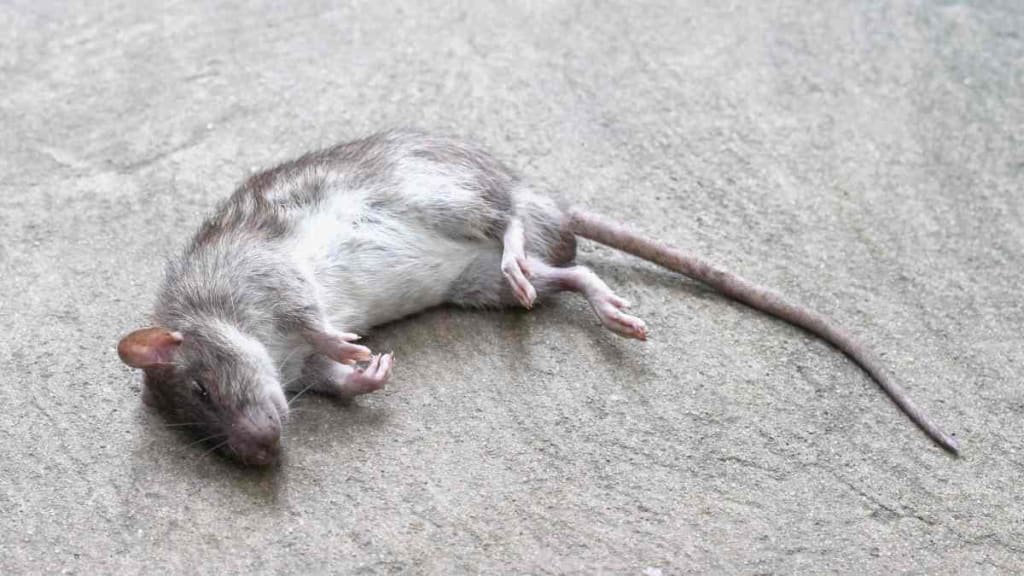
Discovering a dead animal on your property is distressing, but it's a reality many Australians face. Whether it's a possum, bird, rabbit, or larger wildlife, knowing how to dispose of it safely protects your health and follows legal requirements. From Dead Animal Removal Brighton to rural properties across Victoria, the principles remain the same. This comprehensive guide walks you through safe disposal methods whilst minimising health risks and complying with local regulations.
Understanding the Health Risks
Dead animals pose serious health hazards that you shouldn't take lightly. Decomposing carcasses release bacteria including salmonella, E. coli, and potentially more dangerous pathogens. They also attract flies, which lay eggs within hours, creating maggot infestations that spread disease.
Bodily fluids from dead animals can contaminate soil and groundwater. If the animal died from disease, those pathogens remain active for days or even weeks. Parasites like ticks, fleas, and mites often leave dying hosts, seeking new ones nearby. This is why proper protective equipment and disposal methods aren't optional—they're essential.
Some Australian wildlife can carry specific diseases. Possums may carry leptospirosis, bats can carry Australian bat lyssavirus (similar to rabies), and rodents often harbour various diseases. Treating every carcass as potentially infectious keeps you safe.
Check Your Local Council Regulations First
Before disposing of any dead animal, contact your local council to understand the rules. Different councils across Victoria and Australia have varying requirements. Whether you're dealing with Dead Animal Removal Sunbury or in metropolitan Melbourne, regulations differ based on location and animal size.
Many councils offer free collection services for dead animals found on public property or naturestrips. Some extend this service to private properties for larger animals. Smaller animals like birds or rodents typically fall to property owners to dispose of, but councils provide specific guidelines on approved methods.
Protected native species require special consideration. In Australia, it's illegal to harm or interfere with many native animals, and this extends to their remains in some cases. Possums, native birds, and bats often require notification to wildlife authorities. Your council can advise whether the animal needs reporting before disposal.
Essential Safety Gear and Preparation
Never handle a dead animal without proper protection. Heavy-duty disposable gloves are your first requirement—nitrile gloves work better than latex because they resist tears and punctures. Wearing two pairs adds extra protection, especially if the animal shows signs of decomposition.
An N95 or P2 respirator mask protects against airborne pathogens and helps with the smell. Regular cloth masks don't provide adequate filtration. Safety glasses prevent splashes reaching your eyes, and long sleeves plus long pants create a barrier between your skin and contaminants.
Have several heavy-duty plastic bags ready. Double-bagging is standard practice—place the animal in one bag, seal it tightly, then place that bag inside another. For larger animals, you might need specific council-approved bags or containers.
Keep hand sanitiser, soap, and clean water nearby for washing up immediately after handling the carcass. A bucket with disinfectant solution helps clean tools afterwards.
Method One: Council Collection Service
The simplest disposal method is using your council's collection service if available. Contact them to report the dead animal, providing details about the species, size, and exact location. Most councils collect within 24 to 48 hours during business days.
For animals on naturestrips or public land, councils typically collect free of charge. Some councils also collect from private properties, though this might involve a small fee. They'll provide specific instructions about placement—usually requiring you to move the animal to an accessible location if it's in your backyard.
This method works best for larger animals like kangaroos, large possums, or livestock that you cannot easily move yourself. Council workers have proper equipment and follow correct disposal protocols, ensuring no environmental contamination.
Method Two: Home Burial
Burying dead animals on your property is legal in most Australian areas, but strict guidelines apply. First, check your council allows burial—some urban areas prohibit it due to high water tables or small block sizes. The burial site must be at least 50 metres from any waterway, bore, or well to prevent contamination.
Dig a hole at least one metre deep. This depth prevents scavengers from digging up the carcass and stops odours from reaching the surface. The hole should be at least 50 centimetres wider than the animal on all sides. Place the animal at the bottom, cover with at least 30 centimetres of soil, add a layer of lime to speed decomposition and control odours, then fill the remaining hole with soil.
Mark the burial spot so you don't accidentally disturb it later. Avoid planting vegetables or fruit trees near burial sites for at least two years. Never bury animals near septic systems, as decomposition affects soil drainage and system function.
Large animals require bigger holes and more planning. Some councils don't permit burying large animals on residential properties due to the contamination risk, so always verify before starting.
Method Three: Kerbside Waste Disposal
Some councils permit disposing of small dead animals in regular rubbish bins, but specific rules apply. The animal must be double-bagged in sealed plastic bags. It should be small—typically only rodents, small birds, or similar-sized creatures qualify.
Place the bagged animal inside your general waste bin, not your recycling or green waste bin. Put it in on collection day morning rather than days before to minimise odour issues. Never place dead animals in bins during hot weather if collection is days away, as decomposition accelerates rapidly in heat.
This method isn't suitable for protected native species or any animal larger than a small rabbit. If you're unsure whether your council permits this, phone them before placing anything in your bin. Getting it wrong could result in fines or your bin not being collected.
Method Four: Veterinary Clinic or Pet Crematorium
For beloved pets or animals you want handled with more care, veterinary clinics and pet crematoriums offer disposal services. They follow strict protocols and can arrange individual or communal cremation. This option involves fees but provides peace of mind that disposal meets all health and environmental standards.
Some veterinary clinics accept wildlife for disposal, particularly if the animal was brought in for attempted rescue. Ring ahead to confirm they'll accept the animal and ask about any associated costs.
What to Do After Disposal
Proper disposal doesn't end when the animal is gone. Thoroughly disinfect the area where the carcass lay. Use a solution of one part bleach to ten parts water, or a commercial disinfectant designed for organic contamination. Scrub hard surfaces and saturate soil or grass areas.
Dispose of all protective equipment including gloves, masks, and any contaminated clothing. Seal them in a plastic bag before putting them in your general waste. Wash your hands thoroughly with soap and hot water for at least 20 seconds, scrubbing under nails and between fingers.
Any tools used for handling or burial should be disinfected or disposed of. Shovels, containers, and other equipment need washing with disinfectant solution. Some people prefer disposing of tools used for dead animal handling rather than risking contamination.
Monitor the disposal area for several days. Watch for persistent odours, which might indicate incomplete disposal or that bodily fluids soaked into surrounding areas. These require additional cleaning and disinfection.
When to Call Professionals
Some situations warrant professional help. If the animal is very large, in a difficult location like inside wall cavities, or if multiple carcasses exist, professionals have appropriate equipment and training. They also handle all disposal logistics, ensuring compliance with regulations.
Protected species always need professional assessment. Wildlife carers and licensed handlers know the legal requirements and proper procedures. Contact your state's wildlife authority or a licensed wildlife rescue organisation for guidance.
If you feel uncomfortable or at risk handling the situation yourself, that's perfectly valid. Professional dead animal removal services operate across Australia and provide safe, legal disposal for reasonable fees.
Final Thoughts
Safely disposing of dead animals protects your health, respects the environment, and follows legal requirements. Always prioritise safety with proper protective equipment, verify your local council's regulations before proceeding, and choose the disposal method that best suits your situation and the animal's size.
When in doubt, contact your council or a professional service. They'll provide specific advice for your circumstances and ensure the animal is disposed of properly. Remember that taking time to do it right prevents health risks and environmental contamination that could affect you and your neighbours for months to come.
About the Creator
Keep reading
More stories from Jack Warner and writers in Families and other communities.
How to Get Rid of Mice in Your Home
Mice can be a real nuisance when they decide to make your house their home. These tiny rodents can cause damage to your property, contaminate food, and create health risks for your family. Whether you're dealing with a small mouse problem or a larger infestation, there are several effective methods you can use to get rid of them. Many homeowners in areas like Strathmore find that with the right approach and some patience, they can successfully manage mouse problems using simple techniques. Understanding how mice behave and what attracts them to your home is the first step in effective Pest Control Strathmore solutions.
By Jack Warner5 months ago in Families
The Two Seeds: Why Love Heals and Hate Only Destroys
In 2026, the world moves faster than ever. We scroll through opinions, arguments, headlines, and outrage before we even finish our morning coffee. Everyone has something to say. Everyone has something to defend.
By Adil Ali Khan2 days ago in Families

Comments
There are no comments for this story
Be the first to respond and start the conversation.