
How to Care for Your Skin Personally
How to Care for Your Skin Personally

Introduction
Your skin plays a crucial role in protecting your body from external elements. Research from the American Academy of Dermatology (AAD) suggests that an effective skincare routine can reduce skin problems by up to 50%. Developing a personal skincare regimen helps maintain healthy skin and prevents premature aging. This guide will walk you through essential steps to keep your skin in optimal condition.
Understanding Your Skin Type
Different skin types require different approaches. According to a 2022 dermatological study, improper skincare for your skin type can worsen issues like acne and irritation.
Dry Skin: This skin type lacks moisture and may feel tight, rough, or flaky. Dry skin often benefits from gentle, hydrating cleansers and thick moisturizers containing hyaluronic acid or ceramides.
Oily Skin: Excess sebum production causes a shiny complexion and clogged pores, leading to acne. Lightweight, oil-free moisturizers and foaming cleansers can help control oil levels.
Combination Skin: A mix of dry and oily areas, typically with an oily T-zone (forehead, nose, and chin) and dry cheeks. Using a balanced skincare approach—hydrating dry areas and mattifying oily zones—works best.
Sensitive Skin: Easily reacts to certain ingredients, fragrances, or environmental conditions. Hypoallergenic and fragrance-free products help reduce irritation.
Essential Daily Skincare Routine
Morning Routine
Cleansing: Removes dirt, oil, and impurities accumulated overnight. Choose a cleanser that suits your skin type.
Toning: A toner helps restore the skin’s pH balance and prepares it to absorb moisturizers and serums more effectively.
Moisturizing: Keeps skin hydrated and prevents dryness throughout the day. Gel-based moisturizers work well for oily skin, while cream-based formulas are best for dry skin.
Sunscreen (SPF 30+): Essential for preventing UV damage, premature aging, and skin cancer. Studies show that consistent SPF use can reduce photoaging signs by 24%.
Evening Routine
Makeup Removal: If you wear makeup, use a gentle remover or cleansing balm to dissolve products and prevent clogged pores.
Double Cleansing: A two-step cleansing method that involves an oil-based cleanser followed by a water-based cleanser for a deep clean.
Serums/Night Creams: Nighttime is the best time to use serums containing active ingredients like retinol, niacinamide, or peptides to repair and rejuvenate skin.
Weekly Skincare Maintenance
Exfoliation: Removing dead skin cells enhances the absorption of skincare products by 20%. Use a chemical exfoliant (like glycolic acid) or a gentle scrub once or twice a week.
Face Masks: Hydrating or detox masks provide targeted skin benefits. Clay masks work well for oily skin, while sheet masks are ideal for dry skin.
Hydration Boost: Drink at least 2 liters of water daily to maintain skin elasticity and prevent dehydration.
Here some special offer 👍:🙂Buy this
Protecting Skin from Environmental Damage
Sunscreen Usage: UV radiation contributes to 90% of visible aging. Reapply sunscreen every two hours if you're exposed to sunlight.
Antioxidants (Vitamin C, E): Protects against free radicals from pollution and UV rays, preventing premature aging.
Protective Clothing: Wearing hats, sunglasses, and long sleeves provides extra defense against sun exposure.
Avoiding Common Skincare Mistakes
Overwashing: Washing your face too often can strip natural oils, leading to dryness and irritation.
Ignoring Ingredients: Some products contain harsh chemicals like parabens and sulfates that can cause long-term damage.
Skipping Sunscreen: The AAD reports that UV exposure is the leading cause of wrinkles and dark spots, making SPF application crucial.
Adapting Skincare by Age
20s: Prioritize hydration and acne prevention with lightweight moisturizers and gentle exfoliation.
30s: Introduce retinoids and antioxidant-rich serums to combat early signs of aging.
40s & Beyond: Focus on collagen-boosting products, rich moisturizers, and ingredients like peptides and hyaluronic acid for deep hydration.
Treating Skin Conditions
Acne: Salicylic acid is proven to reduce breakouts by up to 50% by unclogging pores and reducing inflammation.
Rosacea: A study in JAMA Dermatology shows that using gentle skincare products and avoiding triggers like spicy foods can significantly reduce flare-ups.
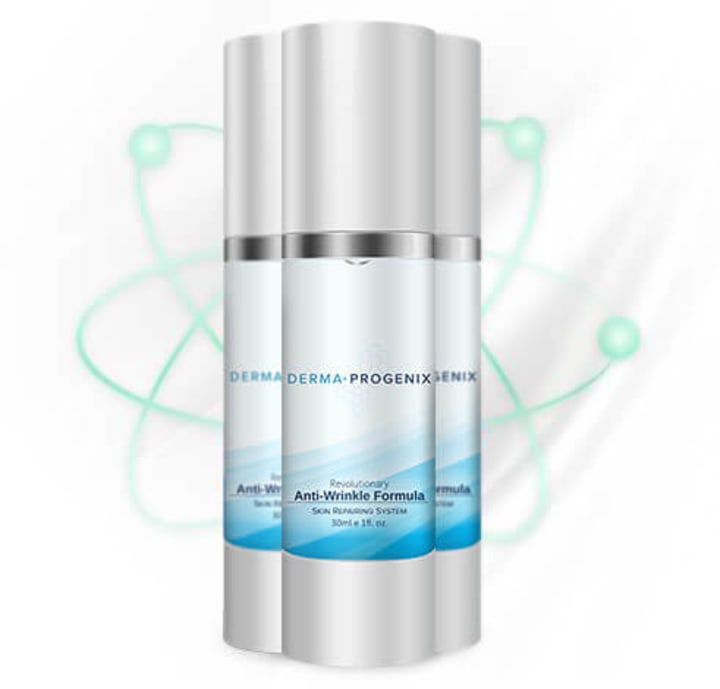
ACHIEVE VISIBLY YOUNGER LOOKING SKIN!
Derma ProGenix Advanced Anti-Aging Skin Care Serum Supplies are limited. Get it today!
Hyperpigmentation: Ingredients like vitamin C, niacinamide, and alpha arbutin help fade dark spots and even skin tone.
DIY vs. Dermatologist-Recommended Products
DIY: Natural remedies like honey, aloe vera, and green tea can offer mild skin benefits, though their effects may take longer to show.
Dermatologist-Approved: Clinically tested products ensure proven results and better efficacy, especially for treating serious skin concerns.
Healthy Habits for Better Skin
Sleep: 7-9 hours per night supports skin regeneration and prevents dullness.
Exercise: Regular physical activity improves blood circulation, enhancing your natural glow.
Stress Management: Chronic stress increases cortisol levels, which can lead to breakouts and premature aging.

When to Consult a Dermatologist
Persistent Acne: If breakouts don’t improve after three months of proper care, a dermatologist can recommend prescription treatments.
Sudden Skin Changes: Rapid pigmentation shifts, unusual moles, or persistent irritation should be evaluated by a professional.
Preventive Check-Ups: Annual screenings help detect early signs of skin conditions and prevent complications.
Conclusion
Taking care of your skin isn’t just about beauty—it’s about health. By following a structured approach based on factual data and case studies, you can achieve clearer, healthier skin over time. Make skincare a priority, and your skin will thank you with a radiant and youthful appearance.
About the Creator
MALKA NAJ
I'm a article and blog writer. I 'm from India, Bihar, Aurangabad,Rafiganj. Also a affiliate marketer. I'm writing for this page about a product.
Wise~Guys
— Look Behind what's in Front of You ~ Make Good Choices — Hey, So how you Doin'..! Made~Men — Mobster Movies romanticise a distinctive, elegant appearance, impeccable attire style, along with the 'Families' expressive lingo. Making their 'Bones' gave them Panache — with vintage fedoras, tailored pin-striped suits, mirror-polished wing-tip shoes adorned with tassels; with their 'Gun Moll' gorgeous dates on their arms.
By Jay Kantor18 days ago in Families




Comments
There are no comments for this story
Be the first to respond and start the conversation.