
How Does My Weight Affected My Health?
Over Weight Affected Health.


Your weight can have a significant impact on your overall health. When you carry excess weight, it can affect multiple systems in your body and increase your risk for a variety of health problems. In this essay, we will discuss in detail the different ways in which your weight can affect your health and the importance of maintaining a healthy weight.
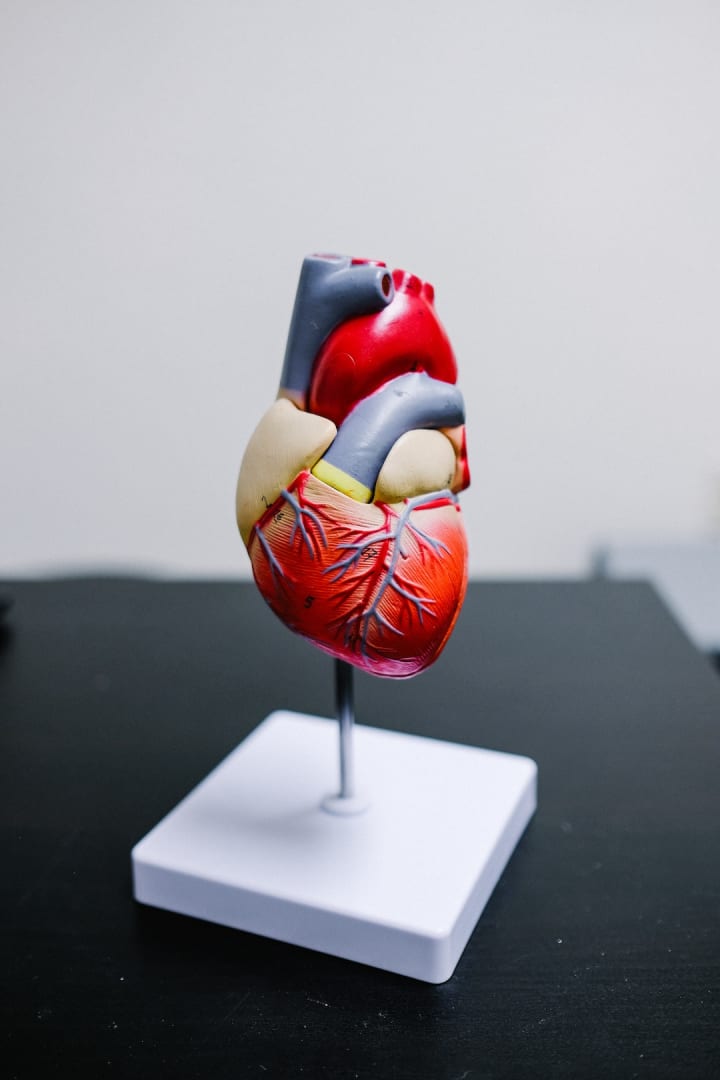
One of the most significant ways in which your weight can affect your health is by increasing your risk for heart disease. When you carry excess weight, it puts a strain on your heart and blood vessels, leading to the buildup of plaque in your arteries. This can cause your arteries to narrow, reducing blood flow to your heart and increasing your risk of a heart attack or stroke. In fact, obesity is a major risk factor for heart disease and is estimated to be responsible for around 20% of heart disease cases.

Another way in which your weight can affect your health is by increasing your risk of developing type 2 diabetes. When you carry excess weight, it can make it harder for your body to regulate blood sugar levels. This is because the extra fat in your body can interfere with the production and function of insulin, the hormone that helps your body convert sugar into energy. As a result, your blood sugar levels can become elevated, leading to the development of type 2 diabetes. In fact, obesity is a major risk factor for type 2 diabetes and is estimated to be responsible for around 80-85% of type 2 diabetes cases.
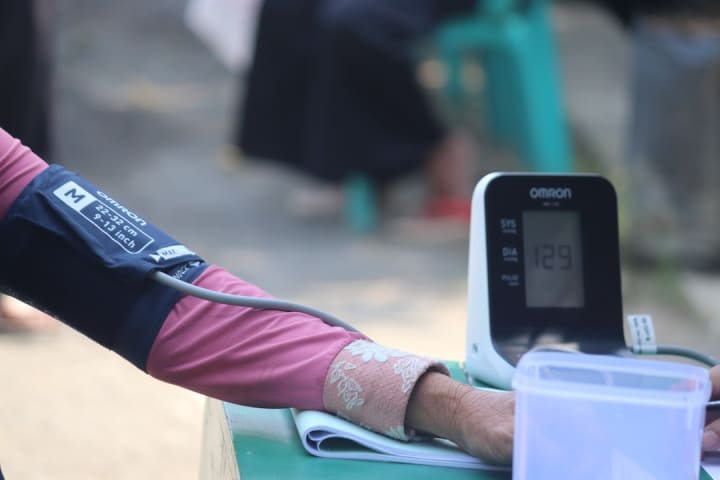
Carrying excess weight can also increase your risk of developing high blood pressure. This is because the extra weight puts additional strain on your heart and blood vessels, making it harder for them to function properly. As a result, your blood pressure can become elevated, putting you at risk of heart disease, stroke, and other health problems. In fact, obesity is a major risk factor for high blood pressure and is estimated to be responsible for around 30% of high blood pressure cases.
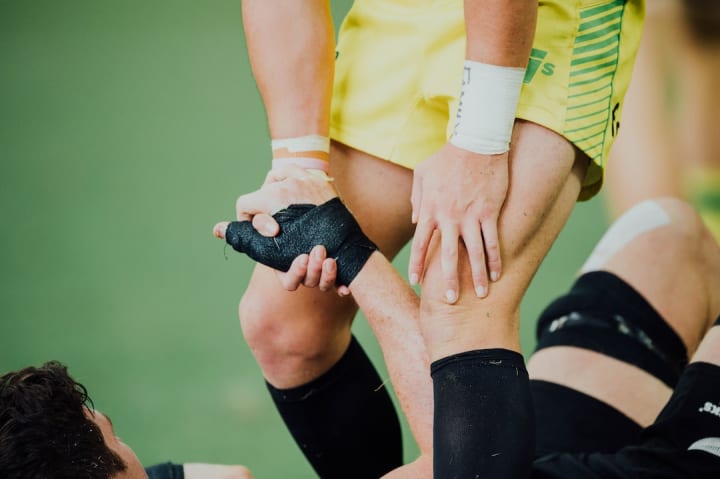
Another way in which your weight can affect your health is by putting additional stress on your joints. When you carry excess weight, it can cause your joints to wear down more quickly, leading to conditions such as arthritis and other joint problems. This is because the extra weight puts additional pressure on your joints, causing them to become inflamed and painful. In fact, obesity is a major risk factor for joint problems and is estimated to be responsible for around 20% of joint problems cases.

Carrying excess weight can also contribute to the development of sleep apnea, a condition in which breathing repeatedly stops and starts during sleep. This is because the extra weight can put pressure on your airways, making it harder for you to breathe while you sleep. As a result, you may experience symptoms such as snoring, gasping for air, and waking up feeling tired. In fact, obesity is a major risk factor for sleep apnea and is estimated to be responsible for around 60% of sleep apnea cases.
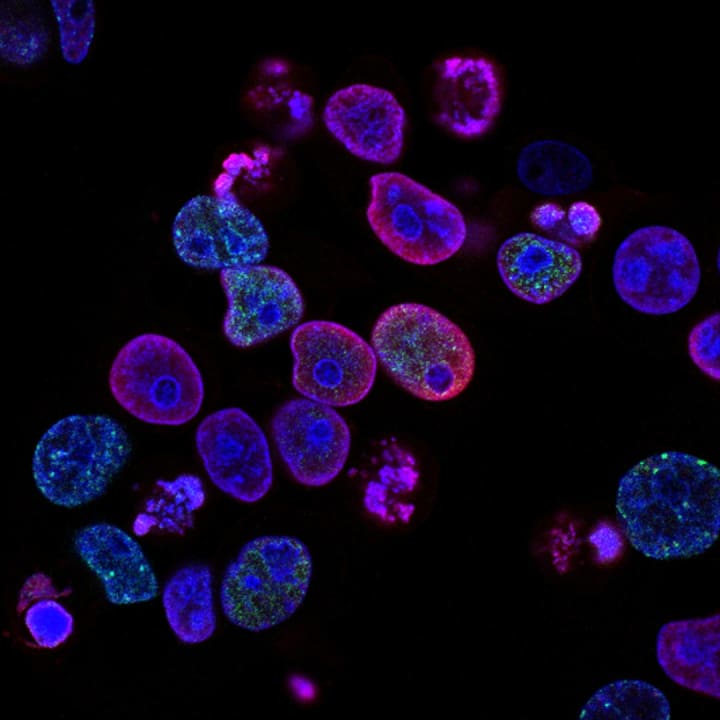
Being overweight or obese can also increase your risk of developing certain types of cancers, including breast, colon, and prostate cancer. This is because the extra fat in your body can produce hormones and other substances that can promote the growth of cancer cells. In addition, carrying excess weight can also lead to chronic inflammation, which can contribute to the development of cancer. In fact, obesity is a major risk factor for certain types of cancer and is estimated to be responsible for around 20% of cancer cases.
Mental Health Issues:

Carrying excess weight can also have an impact on your mental health, leading to issues such as depression and anxiety. The impact of excess weight on mental health can create a vicious cycle, where negative feelings and emotions lead to overeating and weight gain, which in turn exacerbates mental health issues. It is important to address both physical and mental health concerns when addressing weight management.
Furthermore, carrying excess weight can have an impact on mental health. People who are overweight or obese may experience a negative body image, leading to feelings of low self-esteem, anxiety,reduced mobility, and depression.
There are several lifestyle changes that can help manage obesity, improve overall health, and support weight loss, including:
1. Adopting a healthy diet: Follow a balanced diet that is rich in fruits, vegetables, whole grains, and lean proteins while limiting processed foods, high-fat foods, and sugary drinks.
2. Regular physical activity: Aim for at least 30 minutes of moderate intensity exercise daily, such as walking or cycling, and progressively increase the duration and intensity. Exercise supports weight loss, strengthens the heart, bones and muscles, and improves overall health.
3. Good sleep habits: Getting enough quality sleep supports weight loss, aids recovery, and reduces stress.
4. Stress management: Stress can lead to emotional eating and unhealthy habits, so it's important to develop good stress management techniques like mindfulness practices, meditation, or yoga.
5. Support from healthcare professionals: Consulting with a healthcare professional can provide the necessary support and guidance to achieve a healthy weight and manage any associated health issues. They can monitor weight loss progress, advise on nutrition, and provide personalized exercise plans.
About the Creator
archana prem
Give rivew about the Keto Dessert Book
Keep reading
More stories from archana prem and writers in Families and other communities.
More Evidence That Tea Helps With Weight Loss
Every little bit of help is useful when you're trying to lose weight or keep your weight stable as you get older. Diet and exercise are still the most important components of weight loss and maintenance, but studies are showing that tea, particularly green tea, may be able to provide some assistance in losing weight and keeping it off.
By archana prem3 years ago in Families
Mexico surrogacy laws (2025): the Supreme Court rules people keep missing, in plain English
Surrogacy in another country can feel… unreal. One minute it’s hope. Next minute it’s spreadsheets. Clinics. Flights. Contracts. Then suddenly it’s, “Wait—who is listed as the parent?” and “Can the baby leave the country?” and “Is this even allowed back home?”
By Dan Toombs3 days ago in Families
The last Cup of Tea
I never knew how much a cup of tea could mean until the last morning I spent with my grandmother. It was a cold, gray January morning, the kind where the sky looks heavy and close, and the world outside feels quiet, waiting. Our little kitchen was warm, filled with the smell of toast and the faint floral scent of Grandma’s favorite hand soap. I was sitting at the table, scrolling through my phone, thinking about the busy day ahead. I had work in a couple of hours, emails to send, problems to solve. My mind was already far away when I heard the gentle creak of the floorboards. Grandma shuffled in, her blue cardigan wrapped tight around her thin shoulders. She wore it every morning, no matter the weather, the color as familiar as her voice. Her hair, once dark, was soft and white. She moved slowly now, but with a kind of careful grace, like she knew every step by heart. She filled the old kettle with water, her hands shaking just slightly. I watched her from the corner of my eye, feeling a mix of impatience and guilt. I had things to do. But something about the way she moved—so deliberate, so gentle—made me pause. She looked at me and smiled, her eyes crinkling at the corners. “Would you like a cup, love?” she asked, her voice soft and tired but still bright. I almost said no. I almost told her I needed to get ready, that I was running late. But then I saw her hands, wrapped around the mug she’d already set out for me, and I remembered all the mornings she’d made tea for me as a child, the way she’d let me dip biscuits into her cup, laughing when I dropped them in and made a mess. I put my phone down and nodded. “Yes, please, Grandma.” She made the tea just the way I liked it—milk first, two sugars, a splash of honey. We sat together at the table, the steam curling up from our cups, the kitchen quiet except for the ticking of the old wall clock and the distant chirp of winter birds outside. For a long while, we didn’t say anything. She watched the birds through the frosted window, her eyes soft and far away. I watched her, trying to memorize every detail: the way she held her mug with both hands, the little sigh she made after her first sip, the gentle smile that never quite left her face. After a few minutes, she reached across the table and took my hand in hers. Her skin was paper-thin and cool, but her grip was steady. “You’re going to do great things,” she whispered, squeezing my hand. “I may not see it all, but I know it.” I felt a lump rise in my throat, unexpected and sharp. I squeezed her hand back, blinking hard. “Thank you, Grandma,” I managed to say. She just nodded, her eyes shining. We finished our tea together, and I told her about my plans for the week, about work and friends and small worries. She listened, nodding, sometimes offering a word or two. The whole time, I felt a strange warmth, like the world had slowed down just for us. It was such a small thing, sharing tea, but in that moment, it felt like everything. A week later, she was gone. I came home from work to find her room quiet, her blue cardigan folded neatly on the chair. The kettle was still on the counter, her favorite mug sitting beside it. The house felt emptier than I could have ever imagined. Now, every January morning, I make a cup of tea just the way she did. I sit by the window, watch the birds, and remember that last morning in the kitchen. I never rush through it. I never forget the way her hand felt in mine, the sound of her voice, the quiet love in that moment. Because sometimes, the smallest moments are the ones that last forever. And every time I drink my morning tea, I feel her with me, teaching me—one last time—how to slow down, how to love, and how to let go.
By DJADA Mahamat7 days ago in Families
Why Black History Matters in America?
The United States of America is celebrating their 250th anniversary in 2026. I'm proud to be an American and as someone who was born here, I wouldn't imagine myself living anywhere else. This is a country where opportunities are possible. Where anyone can be successful in anything they desire to do. Equality, community, and togetherness are the backbones of what America is and should be about. However, we have an administration who wants to erase and disregard those who have made positive, meaningful impacts in our country, specifically Black figures, such as Martin Luther King, Jr., Rosa Parks, and Maya Angelou. President Trump and his administration have been constantly complaining and fighting against what they call the "Woke agenda". They use this excuse as a distraction from other issues they refuse to address, such as the high cost of living, climate change, and inflation. That equality is dividing America, when in reality, it's bringing us together. Being woke is not tied to a specific political party. No matter where you stand on the political spectrum, you can still care about other people and their plights. Compassion and empathy for others isn't tied to a political party, either. We were taught as children to treat others the way we want to be treated and not judge others because they're different from us. Caring about others isn't a personal attack on your beliefs. It doesn't make you any less of a person. People who are easily offended over African American figures, past or present, or anything related to it, are grasping at straws. Current and future generations need to know who people like Harriet Tubman and Shirley Chisholm were, especially in the classroom. Black History is part of American History. It should be recognized, not hidden or forgotten. Besides, you can't shield children from everything, just because your feelings are easily hurt.
By Mark Wesley Pritchard 3 days ago in The Swamp



Comments
There are no comments for this story
Be the first to respond and start the conversation.