
How Divorce Shatters Your Child's Emotional Security
The Hidden Impact of your separation
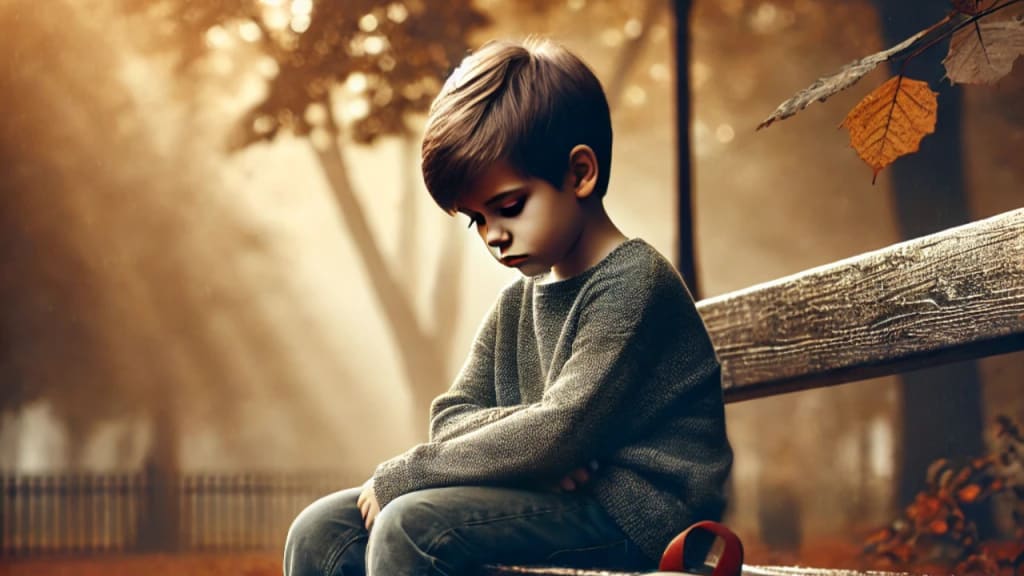
Divorce can be a turbulent event, not just for the separating partners but also for the children involved. While it may bring resolution to conflicts between adults, its emotional repercussions on children can be profound and long-lasting.
Children thrive in environments where emotional security is nurtured, but divorce often disrupts this foundation, leaving children grappling with confusion, fear, and insecurity.
This article delves into how divorce affects a child’s emotional well-being and offers insights to minimize its impact.
Understanding Emotional Security in Children
Emotional security refers to a child’s sense of safety and stability, derived from consistent care, love, and predictability in their environment. When parents divorce, the stability children depend on is often replaced by uncertainty. This upheaval affects their ability to trust relationships, manage emotions, and form a positive self-image.
Key Elements of Emotional Security:
1. Consistent Parenting: Regular routines and parental presence.
2. Trust in Relationships: Confidence in familial bonds remaining intact.
3. Safe Environment: Emotional and physical safety free from conflict.
When these elements are disrupted, children may feel emotionally vulnerable, questioning their worth and their parents’ love for them.
How Divorce Impacts Emotional Security
1. Loss of Routine and Stability
Children find comfort in routines, as they provide a sense of predictability and control. Divorce often brings about changes such as moving homes, switching schools, or alternating between parents. This loss of stability can leave children feeling disoriented and insecure.
Shall we understand this through an example?
A child accustomed to waking up in the same room and having breakfast with both parents may now face the uncertainty of changing homes every week, disrupting their sense of normalcy.
2. Fear of Abandonment
Divorce can make children feel abandoned, especially if one parent is less involved post-divorce. They may fear that if one parent can leave, the other might too. This fear often manifests as separation anxiety or clingy behavior.
Emotional Signs of distress in children:
- Difficulty sleeping alone.
- Constant need for reassurance.
- Over-dependence on the custodial parent.
3. Internalizing Parental Conflict
Children often feel caught in the middle of parental disputes. Hearing arguments or being used as a messenger can make them feel responsible for the conflict. This emotional burden can lead to guilt, anxiety, and low self-esteem.
The Impact of Parental fighting
- Children might believe they caused the divorce.
- They may suppress their emotions to avoid causing further conflict.
4. Challenges in Trusting Relationships
Divorce teaches children that relationships can end, which can erode their ability to trust others. They may grow up fearing commitment or expecting relationships to fail, affecting their friendships, romantic relationships, and professional connections.
Long-Term Effects of divorce on children
- Fear of intimacy in adulthood.
- Difficulty maintaining stable relationships.
5. Emotional Outbursts and Behavioral Issues
Divorce-related stress often overwhelms children, leading to emotional and behavioral problems. They might act out, become defiant, or withdraw emotionally. These behaviors are often cries for attention and reassurance.
Common Behaviors of children whose parents have divorced
- Increased irritability and anger.
- Withdrawal from social activities.
- Decline in academic performance.
6. Loss of a Role Model
When parents divorce, children may lose access to a full-time role model. A father or mother’s absence can leave a void, affecting how children perceive gender roles and relationships.
Impact on the Development of Children
- Boys without active fathers may struggle with male identity.
- Girls may develop unhealthy expectations of relationships.
Steps to Protect Your Child's Emotional Security During Divorce
While the challenges are significant, proactive steps can help minimize the emotional toll of divorce on children:
1. Communicate Openly with your Children
Explain the situation in an age-appropriate manner. Assure your children that they are loved and not responsible for the separation.
2. Avoid Parental Conflict Before Your Children
Keep arguments and disputes away from your children. Avoid criticizing the other parent in their presence.
3. Maintain Consistency
Create and stick to routines as much as possible. Consistency in schedules provides children with a sense of stability.
4. Encourage Open Expression of feelings in your children
Allow your children to express their feelings without judgment. Offer your children a safe space where they can talk about their fears and frustrations.
5. Seek Professional Support when needed
Therapy or counseling can help children process their emotions and develop coping mechanisms.
The Long-Term Consequences of Neglecting Emotional Security
If the emotional needs of your children during and after divorce are neglected, the effects can persist into adulthood. Studies have shown that children of divorced parents are more likely to face challenges such as:
- Anxiety and depression.
- Difficulty forming healthy relationships.
- Lower academic and career achievements.
These issues underline the importance of prioritizing children’s emotional security during this life-altering event.
The Role of Co-Parenting in Emotional Security
Co-parenting involves both parents working together to raise their children despite being divorced. When done effectively, co-parenting can significantly reduce the negative impact of divorce on children.
Tips for Effective Co-Parenting:
1. Maintain a united front when making decisions.
2. Communicate respectfully with the other parent.
3. Encourage your child’s relationship with both parents.
How to build Resilience Amidst the Changes Divorce brings about?
Divorce is a life-altering event for families, but with the right approach, its impact on children’s emotional security can be mitigated. By fostering open communication, maintaining routines, and prioritizing co-parenting, parents can help their children navigate this challenging time with resilience.
Building a strong support system and showing unconditional love can ensure that your children emerge from this experience feeling valued, safe, and supported.
About the Creator
Mathi Surendran
I will be talking about the ways to earn money, mental and physical health, weight loss tips, and many more. I hope to throw light into your life so that you can make a new beginning. Travel along with me to visualize the dawn of your life.
Keep reading
More stories from Mathi Surendran and writers in Families and other communities.
The Power of Communication in Marriage
Your marriage is one of the most significant relationships in your life, yet it is also one of the most challenging to nurture. While love forms the foundation of your marriage, communication is the lifeblood that sustains it. Misunderstandings, unspoken feelings, and unaddressed conflicts can chip away at the strongest bonds, making open and effective communication essential for a lasting relationship.
By Mathi Surendranabout a year ago in Families
Wise~Guys
— Look Behind what's in Front of You ~ Make Good Choices — Hey, So how you Doin'..! Made~Men — Mobster Movies romanticise a distinctive, elegant appearance, impeccable attire style, along with the 'Families' expressive lingo. Making their 'Bones' gave them Panache — with vintage fedoras, tailored pin-striped suits, mirror-polished wing-tip shoes adorned with tassels; with their 'Gun Moll' gorgeous dates on their arms.
By Jay Kantor18 days ago in Families




Comments (1)
Thanks for taking the time to share.