
Gut Health And Mental Wellness: What You Need To Know
How Your Gut Health Affects Your Mental Performance

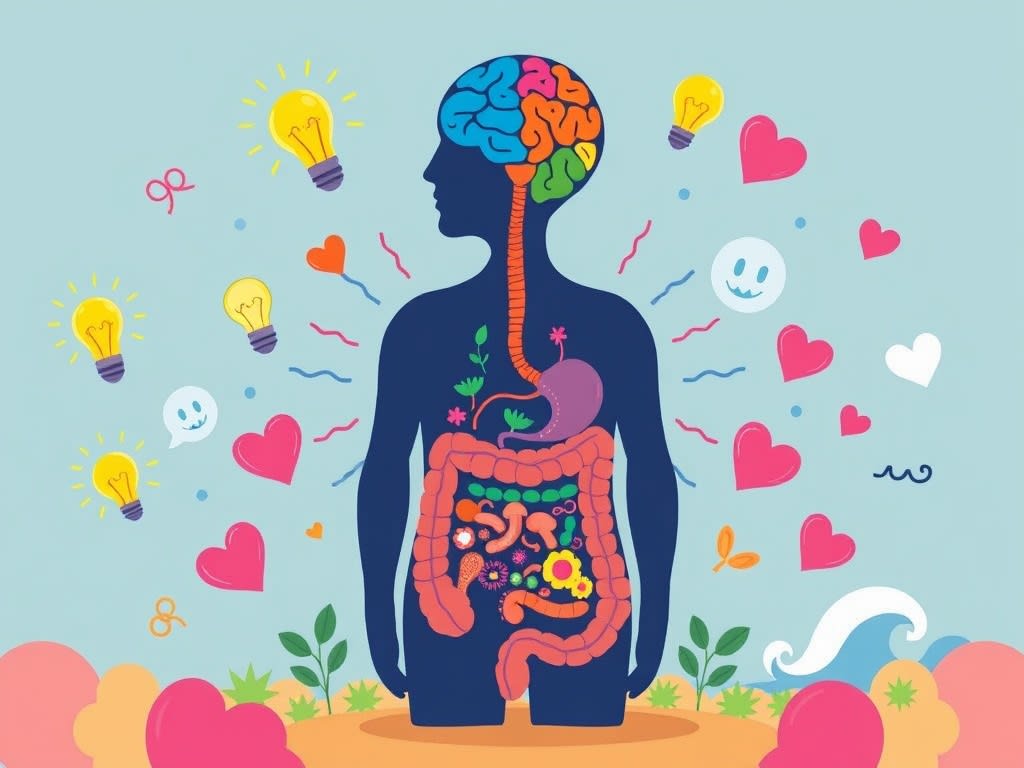
Are you taking good care of your gut?
I hope you do because you need your brain to operate optimally; and how it performs is directly related to the state of your gut.
In recent years, the link between gut health and mental wellness has become more clear. This has led to a lot of research on how they are connected. The gut, often called the “second brain,” is key in digestion and emotions.
The Gut Brain Axis
This connection between the gut and the brain is mainly through what is known as the gut-brain axis. This is a network that connects the gut to the brain. This network is complex and plays a big role in our emotions and mental state.
Within the gut we have what is called microbiome. The gut microbiome is made up of trillions of microorganisms. These include bacteria, viruses, fungi, and yeasts in our intestines. This community of microbes is vital for digestion, metabolism, and immune response.
Research shows that the gut microbiome affects our mood and behavior. A balanced microbiome helps produce neurotransmitters like serotonin and dopamine. These are important for mood.
About 90% of serotonin is made in the gut. This shows how much gut health affects our emotions.
An imbalance in gut bacteria, or dysbiosis, can lead to mental health issues. This includes anxiety, depression, and neurodegenerative disorders. Studies show that people with depression have less diverse gut bacteria than healthy people.
The Role of Diet
Diet is key in shaping the gut microbiome. Foods can either help or harm gut bacteria. Diets high in processed foods and sugars harm the microbiome, while fiber-rich foods help.
Foods like yogurt and sauerkraut are full of probiotics. These live bacteria improve gut health. Foods like garlic and bananas feed beneficial bacteria.
A balanced diet supports a healthy microbiome and improves mood. The Mediterranean diet, rich in fruits and vegetables, is linked to lower depression and anxiety. This shows how diet affects mental wellness.
Dysbiosis
Dysbiosis is a condition in which there is an imbalance in the gut microbiome in which harmful microorganisms outnumber beneficial microorganisms. Dysbiosis can cause “leaky gut,” allowing harmful substances into the bloodstream. This may trigger systemic inflammation. This can affect brain function and lead to mental health issues. Chronic inflammation links gut health and mental wellness
Inflammation is linked to mood disorders. High levels of pro-inflammatory cytokines are found in depression and anxiety. This shows how inflammation impacts mental health.
The Role of Exercise
Exercise reduces inflammation and improves gut health and mood. It boosts endorphins, which help reduce stress and anxiety. Exercise also changes gut bacteria for the better.
Managing Stress
Stress management is crucial for gut health and mental wellness. Chronic stress can harm the gut microbiome. Practices like mindfulness meditation and yoga can reduce stress and improve gut and mental health.
The Role of Sleep
Sleep is also vital in this relationship. Poor sleep can harm gut health and mental wellness. It can lead to inflammation and changes in gut bacteria. Good sleep hygiene can improve both gut health and mental well-being.
Probiotics
Research shows that probiotics might help with mental health issues. Probiotics are live microorganisms that help our health. They can ease anxiety and depression symptoms.
Studies suggest certain probiotics can boost mood and brain function. This shows how important gut health is for our mental state.
Lifestyle
It’s key to see mental wellness as a whole. It’s not just about our mind but also our body. This means we should focus on lifestyle changes that help both.
Eating whole, nutrient-rich foods is a good start. Foods like whole grains, legumes, fruits, and veggies are great for our gut. Adding fermented foods and prebiotics can also help.
Regular exercise is vital for a healthy lifestyle. Aim for 150 minutes of moderate exercise weekly. It’s good for both gut and mind.
Stress management and mindfulness are also crucial. They help reduce stress and improve emotional and gut health. Mindfulness helps us make better choices in life.
In summary, gut health and mental wellness are closely linked. By focusing on our gut microbiome, we can improve our mood and emotional state. This is done through diet, lifestyle, and stress management.
As we learn more about the gut-brain axis, we see how our mental health is tied to our physical health. A holistic approach that cares for both gut and mind can lead to a healthier life. Taking care of our gut might unlock a brighter mental future.
About the Creator
Juma Killaghai
Juma Killaghai is a research chemist with over 30 years of experience in the field of research and development. He has a Master’s degree - Organic chemistry, from the University of Dar es Salaam. He resides in Dar es Salaam, Tanzania
Keep reading
More stories from Juma Killaghai and writers in Families and other communities.
This Unseen Poison is Probably the Biggest Killer Around. It is Called Stress!
Introduction: Imagine you are on the road. There is a big queue, and the traffic is hardly moving. You have an important appointment, and the way things are, you are likely to miss it! What is the state of your mind at that particular moment? What is the dominant emotion you are experiencing? I think such an emotion is called FRUSTRATION.
By Juma Killaghai2 years ago in Families
Wise~Guys
— Look Behind what's in Front of You ~ Make Good Choices — Hey, So how you Doin'..! Made~Men — Mobster Movies romanticise a distinctive, elegant appearance, impeccable attire style, along with the 'Families' expressive lingo. Making their 'Bones' gave them Panache — with vintage fedoras, tailored pin-striped suits, mirror-polished wing-tip shoes adorned with tassels; with their 'Gun Moll' gorgeous dates on their arms.
By Jay Kantor20 days ago in Families
The Portal of Creation:
Across ages and civilizations, the feminine principle has been revered not merely as a companion to creation, but as its very portal. The phrase “portal of creation” captures a truth whispered through myth, mysticism, and sacred geometry alike — that the universe expresses itself through a generative matrix, a womb of becoming. In this cosmology, creation is not a passive event but an eternal pulse flowing through the living body of the feminine.
By Living the Greatest CONSPIRACY Theory. By RG.a day ago in Families
Smart phones, Humans and Aliens.
WARNING. I will be tapping into one of your favorite creative tensions: The absurdity of humans worshipping their glowing rectangles as if they were tiny oracles. There’s something deliciously poetic about that contradiction, and it lends itself beautifully to an instructive proviso.
By Novel Allen4 days ago in Poets



Comments
There are no comments for this story
Be the first to respond and start the conversation.