
Gummy Smiles No More: The Top Teeth That Will Make Your Baby Smile Again
Expert tips and advice on when and how your baby's top teeth come in, along with helpful teething remedies and care tips

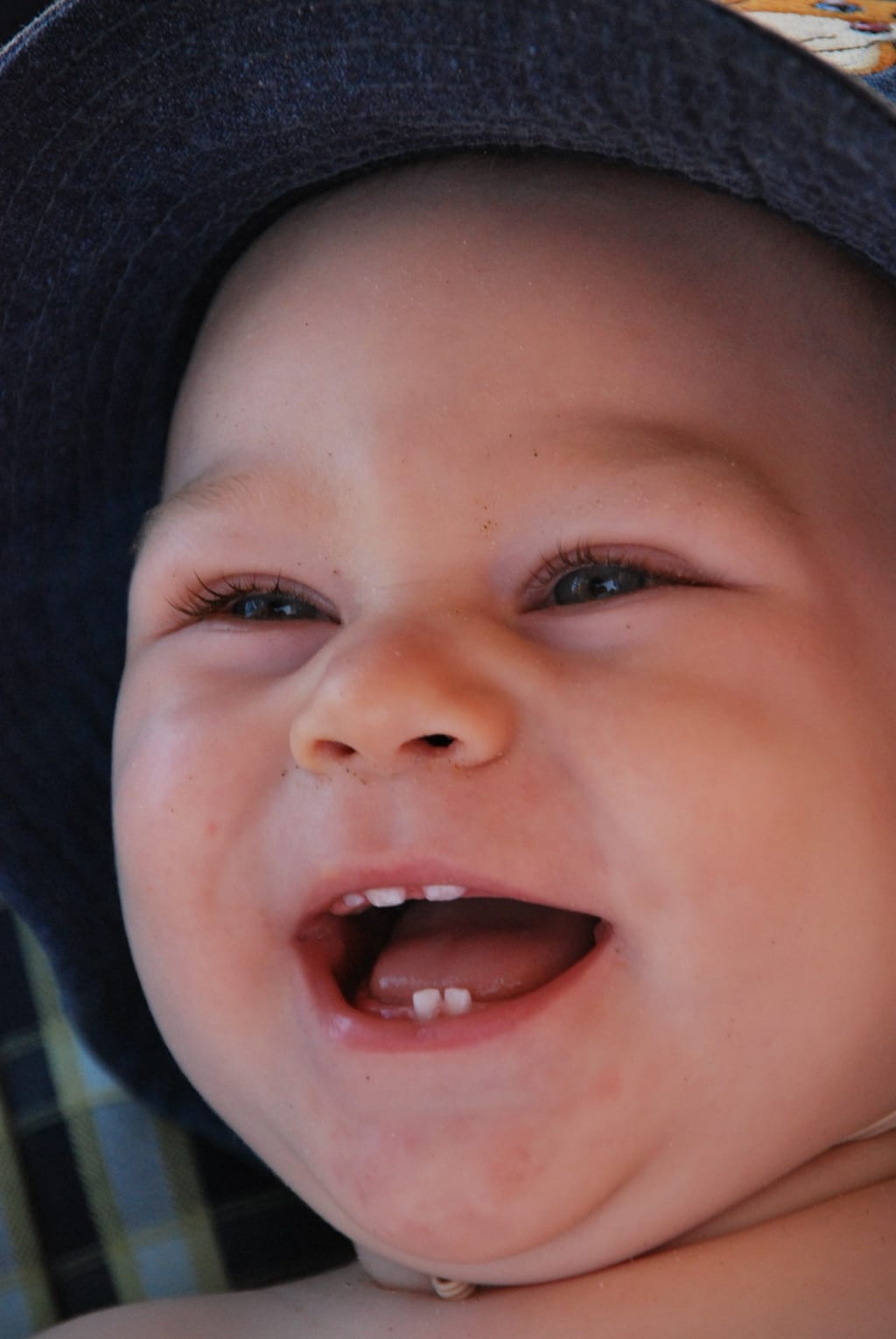
# When Do Top Teeth Come in Baby?
As parents, we eagerly await every milestone our baby reaches such as crawling, walking, talking, and of course, getting their first set of teeth. A baby's first set of teeth usually appears between 4 to 7 months of age. However, parents often wonder when the top teeth will come in. In this blog post, we will dive into the timeline of baby teeth eruption and discuss when the top teeth come in babies.
## The Timeline of Baby Teeth Eruption
The timeline of baby teeth eruption can vary, but generally, the central incisors or the two bottom front teeth come in first, followed by the two upper front teeth. The next set of teeth to come in are the lateral incisors or the teeth next to the front teeth, both on the top and bottom. After that, the first molars typically appear, followed by the canines, and finally the second molars. The complete set of 20 baby teeth will usually erupt by the age of 3.
## When Do Top Teeth Come in Baby?
The two upper central incisors or the two top front teeth usually come in between 8 to 12 months of age. They are followed by the two upper lateral incisors or the teeth next to the top front teeth, which usually come in between 9 to 13 months of age. After that, the first molars usually appear between 13 to 19 months of age, followed by the canines between 16 to 22 months of age, and finally, the second molars between 25 to 33 months of age.
It is important to note that these timeframes are not set in stone, and every baby is different. Some babies may start teething earlier or later, and some may not follow this timeline at all. However, if you are concerned about the development of your baby's teeth, it is always best to consult with a pediatrician or dentist.
## ## What to Expect When Your Baby is Teething
Teething can be a challenging and uncomfortable stage for both babies and parents. While it is a natural process, it can cause a lot of discomfort for your baby as their teeth start to emerge from the gums. As a result, they may experience irritability and fussiness, which can make them difficult to soothe. Additionally, teething can disrupt their sleep, leading to sleep-deprived parents.
Along with irritability and fussiness, your baby may also develop a low-grade fever, drool excessively, or even experience diarrhea. These symptoms can be alarming to new parents, but they are normal and will subside once the teething phase is over.
To help your baby cope with the discomfort, there are a few things you can try. One option is to give your baby a cold teething ring or a wet washcloth to chew on. This can help soothe their gums, providing them with some relief. Additionally, you can try gently massaging their gums with a clean finger, which can help ease the pain.
It is also important to keep in mind that every baby is different, and their teething experience will be unique. Some babies may sail through the teething process without much fuss, while others may struggle. If you have any concerns about your baby's teething, don't hesitate to reach out to their pediatrician for advice and support.
## Conclusion
The appearance of your baby's first set of teeth is an exciting milestone. While the timeline of baby teeth eruption can vary, the top teeth usually come in after the bottom teeth. The two top front teeth usually appear between 8 to 12 months of age, followed by the top teeth next to them. If your baby's teeth are taking longer to come in, there's no need to worry. However, if you have concerns, it's always best to consult your pediatrician or dentist to ensure your baby’s oral health is on track.
About the Creator
Keep reading
More stories from ahmed tarek and writers in Families and other communities.
Cryptocurrency Uncovered: 10 Fascinating Facts You Need to Know
# 10 Facts About Cryptocurrency Cryptocurrency is a digital asset designed to work as a medium of exchange that uses strong cryptography to secure financial transactions. The emergence of cryptocurrency has revolutionized the way we transact online, making it a popular choice for investors and traders worldwide. Here are 10 fascinating facts about cryptocurrency that you probably didn't know.
By ahmed tarek3 years ago in Trader
Wise~Guys
— Look Behind what's in Front of You ~ Make Good Choices — Hey, So how you Doin'..! Made~Men — Mobster Movies romanticise a distinctive, elegant appearance, impeccable attire style, along with the 'Families' expressive lingo. Making their 'Bones' gave them Panache — with vintage fedoras, tailored pin-striped suits, mirror-polished wing-tip shoes adorned with tassels; with their 'Gun Moll' gorgeous dates on their arms.
By Jay Kantor22 days ago in Families
Affection and Healing for Yourself
During the night of the last quarter moon, I gathered my ritual supplies. I carefully handled the chunk of black tourmaline that would protect me from your overall negative and narcissistic energy. I carefully walked the house with my stick of selenite in hand, asking the universe to cleanse our working space.
By Alisha Wilkins ✒️🦋🖋️3 days ago in Fiction




Comments (1)
simple, i like it