
Fusing Tradition and Modernity in Interior Design
interior design

Interior design is an art form that evolves with time while embracing the rich heritage of the past. In a city as dynamic as Delhi, interior design reflects the diverse cultural history and contemporary influences that shape its identity. With a unique blend of tradition and modernity, Delhi’s homes and spaces stand out as striking examples of how these two contrasting elements can coexist in harmony. The fusion of traditional and modern interior design allows for spaces that are not only aesthetically pleasing but also deeply personal and meaningful.
Embracing the Heritage of Delhi
Delhi, with its centuries-old monuments, rich Mughal architecture, and historic significance, serves as an inspiring canvas for any interior designer. The city's deep-rooted history provides a wealth of elements that can be incorporated into modern interiors, offering a sense of timeless elegance.
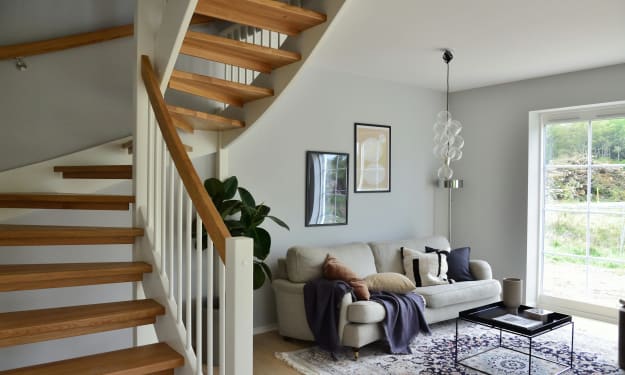
From intricate jali (lattice) patterns to antique wooden furniture, traditional elements add character to a modern home. These heritage accents tell a story, lending a unique authenticity to any living space. For instance, a beautifully carved wooden door can serve as a focal point in an otherwise minimal living room. Similarly, Persian-inspired carpets and silk drapes, reminiscent of Mughal aesthetics, bring a royal touch to modern interiors.
Modern Minimalism: A Contemporary Twist
While tradition is key, modern interior design in Delhi embraces a minimalist approach to complement today's fast-paced lifestyle. Sleek furniture, open spaces, and the use of neutral color palettes are popular among homeowners looking for simplicity and functionality.
The shift towards modernity is not about rejecting tradition but about making it more adaptable to contemporary needs. Clean lines, uncluttered spaces, and the use of materials like glass, steel, and concrete provide a sharp contrast to the intricate, ornate designs of traditional interiors. By balancing modern minimalism with traditional grandeur, Delhi's interior design scene manages to create spaces that are sophisticated yet warm.
The Art of Blending Tradition and Modernity
The key to successfully fusing tradition with modernity lies in thoughtful design. Instead of choosing between old and new, the goal is to create a seamless integration of both. Here’s how you can strike the perfect balance:
Layering Textures and Materials: Combining traditional materials like brass, wood, and stone with modern elements such as glass, chrome, and leather can create a visually appealing contrast. For example, a contemporary glass dining table paired with wooden chairs that have traditional carvings can make a room feel both luxurious and cozy.

Mixing Patterns and Motifs: Incorporate traditional patterns, such as paisley, ikat, or floral designs, into modern settings through textiles like cushions, rugs, and wall hangings. Modern furniture pieces with clean lines can soften the boldness of traditional motifs, ensuring that the room doesn't feel overwhelming.
Art and Artifacts: Art plays a vital role in any fusion design. Delhi’s rich cultural heritage offers a plethora of artistic treasures – from Mughal miniature paintings to intricate marble inlays. These traditional art forms can be displayed alongside modern abstract art for a stunning juxtaposition. Similarly, antique artifacts, such as brass lamps or terracotta sculptures, can be positioned in minimalist settings to stand out as statement pieces.
Color Palettes: Traditional Indian interiors often embrace rich, bold colors like deep reds, royal blues, and golden yellows, while modern design favors more neutral tones such as white, gray, and beige. Fusing these two palettes can create a harmonious blend. For instance, you can use neutral walls and flooring as a canvas and introduce bold, traditional colors through accessories, cushions, or rugs.
Lighting: Lighting is a critical aspect of interior design. Traditional chandeliers and ornate lamps can be mixed with modern lighting solutions, such as recessed lighting or sleek pendant lights, to create an ambiance that is both nostalgic and contemporary. Incorporating dimmer switches can further enhance the mood by adjusting lighting to suit different occasions.
Bringing Nature Indoors
Another way to merge tradition and modernity is by introducing nature into your interiors. Historically, Indian homes often included courtyards or verandas with abundant greenery. Modern homes can recreate this connection with nature by incorporating indoor plants, vertical gardens, or even indoor water features. These natural elements not only enhance the aesthetics but also contribute to a peaceful and serene environment, aligning with both traditional and modern sensibilities.
Sustainability: A Modern Reflection of Traditional Values
Sustainability is an increasingly important aspect of modern design, and interestingly, it aligns with many traditional practices. In earlier times, homes were built using locally sourced, natural materials. Today, eco-friendly materials such as bamboo, reclaimed wood, and natural stone are making a comeback. By using these sustainable options, modern interiors can maintain a connection with the past while contributing to a greener future.
Additionally, traditional Indian design places a strong emphasis on handmade craftsmanship, a value that resonates with today’s movement toward ethical and sustainable consumer choices. Opting for handwoven textiles, locally crafted furniture, and artisanal home décor not only supports local artisans but also adds a unique, personalized touch to your home.

Fusing tradition and modernity in interior design is more than just a trend in Delhi—it’s a celebration of the city's unique identity. By combining the best of both worlds, you can create spaces that are not only functional and modern but also deeply connected to the cultural heritage of the past. Whether you are a fan of traditional design or prefer a contemporary aesthetic, blending the two styles allows for endless creativity and personalization.
About the Creator
Wise~Guys
— Look Behind what's in Front of You ~ Make Good Choices — Hey, So how you Doin'..! Made~Men — Mobster Movies romanticise a distinctive, elegant appearance, impeccable attire style, along with the 'Families' expressive lingo. Making their 'Bones' gave them Panache — with vintage fedoras, tailored pin-striped suits, mirror-polished wing-tip shoes adorned with tassels; with their 'Gun Moll' gorgeous dates on their arms.
By Jay Kantor22 days ago in Families
The Kind-Hearted Friend
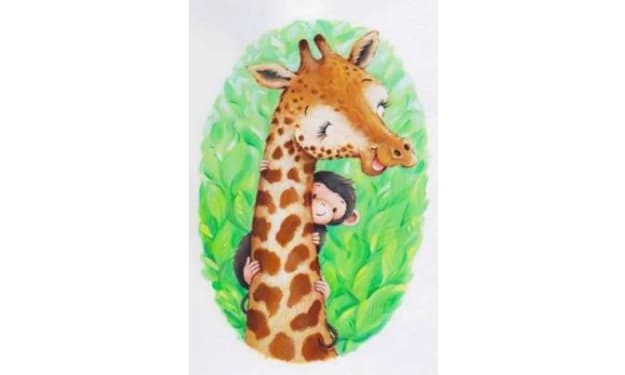
In a lush forest, there lived a troop of monkeys. Among this troop were two young monkeys who were notorious for their mischievous behavior. Their constant pranks and antics had even exhausted their parents, who often scolded them for their wildness. In the same forest, there was a young giraffe, a gentle and innocent creature, known for his simplicity and good nature. One day, while grazing on the green grass, the young giraffe wandered into a part of the forest where the mischievous monkey duo was busy plucking leaves and fruits from the trees to eat.
By Sudais Zakwanabout 21 hours ago in Families
How, Too
Many people wonder how, too. You are not alone, and I am an expert. I will teach you how, too! First, you need to remit a small application fee and fill out an application describing the nature of your financial situation and how often payments will be made, as this will have great bearing on how well I teach you how, too.
By Harper Lewis6 days ago in Fiction

Comments
There are no comments for this story
Be the first to respond and start the conversation.